Russian glide bombs kill two civilians in Kramatorsk, wound 13 over three days
Russian FAB-250 glide bombs hit Kramatorsk on 7 and 9 September, killing two and wounding 13 civilians. The attacks underscore Moscow's reliance on stand-off weapons to terrorise urban centres beyond the front line. Ukraine requests more air defence systems to counter the threat.
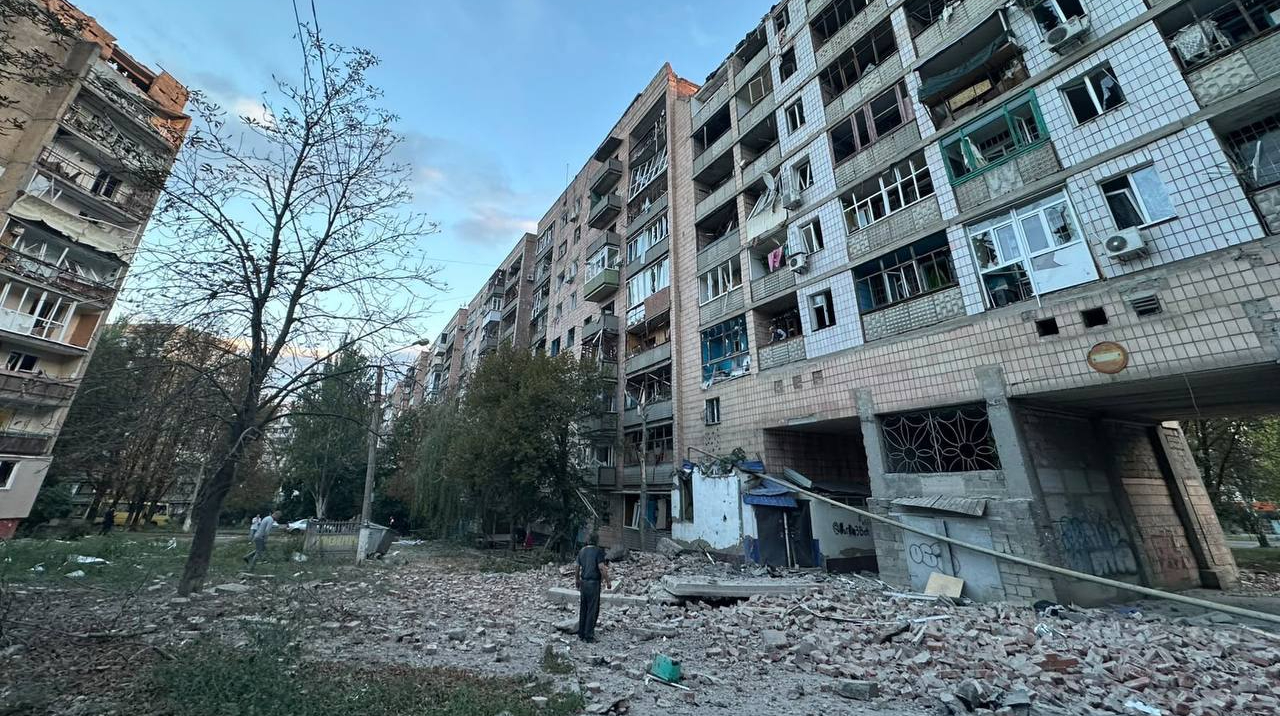
Russian forces have struck the city of Kramatorsk in Donetsk Oblast twice in three days with guided aerial bombs, killing two civilians and wounding 13, local authorities reported.
On the morning of 7 September, two FAB-250 glide bombs hit a residential area in the city centre, damaging several apartment blocks. The attack killed two people and injured four, according to the head of the Donetsk Regional Military Administration, Vadym Filashkin (cited by Ukrainska Pravda).
Two days later, on 9 September, Russian aircraft dropped five aerial bombs on Kramatorsk, wounding nine civilians, the regional prosecutor’s office said (Ukrainska Pravda). The bombs struck a market area and a nearby residential street. Emergency services extinguished fires caused by the explosions.
Both attacks used FAB-250 glide bombs – Soviet-era high-explosive bombs fitted with wings and satellite guidance, allowing Russian fighter jets to release them from dozens of kilometres away. These weapons have become a signature tactical tool for Russia in 2026, enabling strikes on Ukrainian cities without exposing aircraft to air defences.
Why Kramatorsk matters
Kramatorsk has been a frequent target since Russia’s full-scale invasion began. Situated about 40 kilometres west of the front line, the city serves as a logistics hub for Ukrainian forces in Donetsk Oblast and hosts a large civilian population despite repeated evacuation calls. The use of glide bombs against residential areas points to a deliberate Russian tactic of applying pressure on urban centres far from the immediate battlefield.
“This is not a mistake or collateral damage,” said Serhiy Cherevatyi, spokesman for Ukraine’s Eastern Military Command, in an earlier briefing. “They are bombing cities to terrorise people and force more displacement.”
Ukraine’s air force has no effective countermeasure against glide bombs launched from beyond the range of most ground-based air defence systems. Western-supplied Patriot and NASAMS batteries are prioritised for protecting critical infrastructure and troops rather than covering every civilian settlement.
Casualty toll and evacuation
The two-day toll brings the number of civilians killed or wounded in Kramatorsk in 2026 to at least 38, according to local officials. Rescue workers combed through rubble after the 7 September strike, pulling out one survivor from a collapsed stairwell.
No casualties were reported from the 9 September attack, but nine wounded were taken to hospital, including a 12-year-old girl with shrapnel injuries to her leg, the prosecutor’s office said. All nine were listed in stable condition as of the evening of 9 September.
Governor Filashkin repeated his call for residents to evacuate, saying authorities were preparing additional buses to leave for safer regions in western Ukraine. As of August 2026, about 50,000 people remained in Kramatorsk, down from a pre-war population of 150,000.
Repeated pattern
The two attacks fit a broader pattern: Russia has intensified glide-bomb strikes on Ukrainian cities in September 2026, hitting Kharkiv, Zaporizhzhia and Mykolaiv in the past week. Military analysts say the Kremlin is trying to prevent Ukraine from using the autumn months to regroup and resupply its forces.
“They are trying to fix us in place,” said a Ukrainian brigade commander who requested anonymity to discuss operational matters. “If we divert air defence to cover every town, the front line becomes weaker. If we leave towns unprotected, they bomb them.”
Ukraine continues to ask Western allies for more long-range air defence systems capable of intercepting bombers before they release glide bombs. No new commitments have been announced since the Ramstein-format meeting in August.
Attribution and verification
Ukrainian authorities confirmed the casualty figures and the type of munition used. Russia has not commented on either strike. Independent verification of battlefield claims is difficult; the Ukrainian side has provided photographs of the bomb craters and remnants of FAB-250 guidance kits, which match known characteristics of the weapon system.
Civilian tolls are collected by local emergency services and prosecutors, who also document possible war crimes. The International Criminal Court issued arrest warrants in 2024 for two Russian commanders linked to similar attacks, but no one has been taken into custody.
Sources
- Russia drops aerial bombs on central Kramatorsk: apartment blocks hit, two people killed – photos September 7, 2026
- Russians drop five aerial bombs on Kramatorsk, injuring nine people September 9, 2026
- "Four of them couldn't walk": how a Special Operations Forces company commander evacuated a wounded soldier on foot, then went back for his comrade's body September 9, 2026
Part of the dossier
Russian aerial bombs hit Kramatorsk, killing two →