Russian jet-powered drone strikes injure child in Kyiv Oblast as daily attacks continue
A seven-year-old girl suffered acoustic trauma in a Russian UAV attack on the Bucha district, Kyiv Oblast, on 17 September. The strike is part of a relentless daily campaign of jet-powered drone attacks that has injured multiple civilians, including a two-year-old, and damaged homes and warehouses across the region since late August.
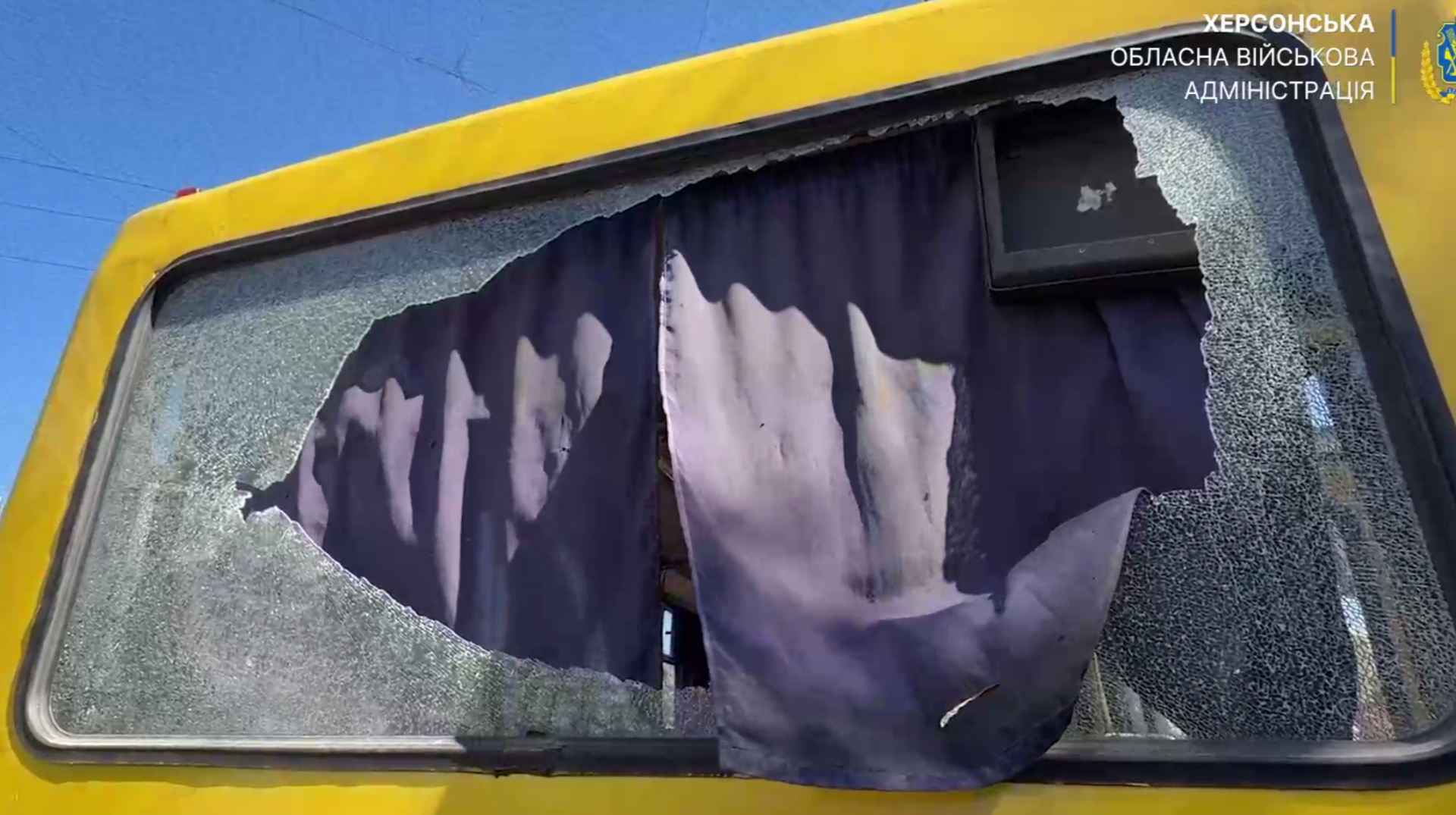
A seven-year-old girl was injured by acoustic trauma during a Russian UAV attack on the evening of 17 September in the Bucha district of Kyiv Oblast, according to Tymur Tkachenko, head of the Kyiv Oblast Military Administration. Three houses and a vehicle were damaged in the same strike Source 6.
The incident is the latest in a relentless campaign of daily jet-powered drone attacks that began in late August and has kept the region under near-constant aerial threat for more than two weeks. Russian forces have launched what Tkachenko described as “jet-powered UAVs” — likely Shahed-type drones or newer variants — against Kyiv Oblast on every day since at least 1 September, according to official reports.
On the first day of September, a 55-year-old woman was wounded in the thigh by drone debris in the Brovary district and hospitalised. A warehouse in the Bucha district was also hit, sparking a fire Source 2. By 8 September, Russian strikes had injured at least one more civilian in the region—a two-year-old child Source 3. Just two days later, on 10 September, a Russian attack on Kyiv Oblast killed one person and wounded two others Source 5.
The campaign has not been confined to the capital region. On 5 September, a woman who had been injured in a Russian attack on a minibus in Kherson died in a Mykolaiv hospital Source 1. On 9 September, a 70-year-old woman was killed when a Russian drone struck an apartment block in Kherson Source 4.
Strategic context
Kyiv Oblast is not a front-line region; the nearest Russian-controlled territory is roughly 150 kilometres away across the border in Belarus and Russia’s Bryansk Oblast. That makes the daily drone campaign a deliberate tactic to terrorise civilians, strain air-defence resources, and disrupt normal life in Ukraine’s political and economic heartland.
Ukrainian air defences have intercepted many of the incoming drones, but debris and falling wreckage continue to cause casualties and property damage. The repeated use of jet-powered UAVs, which fly faster and at higher altitudes than propeller-driven models, complicates interception and can catch communities off guard.
The sustained nature of the attacks suggests Russia has built up a stockpile of these drones and is willing to expend them in a war of attrition against Ukrainian civilian morale and infrastructure. For residents of Kyiv Oblast, the nightly air-raid sirens and the thud of explosions have become a grim routine.
As of 17 September, with the second child injured in the region in ten days, the campaign shows no sign of abating. Tkachenko has not provided a running total of casualties for the period, but the pattern indicates that dozens of civilians have been hurt and at least one killed in Kyiv Oblast alone since late August.
Sources
- Woman injured in Russian UAV strike on Brovary district in Kyiv Oblast September 1, 2026
- Woman injured in Russian attack on minibus in Kherson dies in hospital in Mykolaiv September 5, 2026
- Russian strike on Kyiv Oblast: two-year-old child among those injured September 8, 2026
- Woman, 70, killed in Russian drone strike on apartment block in Kherson September 9, 2026
- Russians attack Kyiv Oblast: one killed, two injured September 10, 2026
- Russian attack on Kyiv Oblast injured a child September 17, 2026
Part of the dossier
Russian UAV Strike Injures Woman in Kyiv Oblast →