Russian Missile and Drone Attack on Kyiv Injures 20 as EU Envoy Warns City Has Become 'Frontline'
A Russian combined missile and drone attack on Kyiv on 17 September injured 20 people, including two children. EU Ambassador Katarína Mathernová stated that nearly 120 have been killed in Kyiv and oblast since August, calling the capital a 'frontline city.' The following day, Russia launched ballistic missiles at Kyiv.
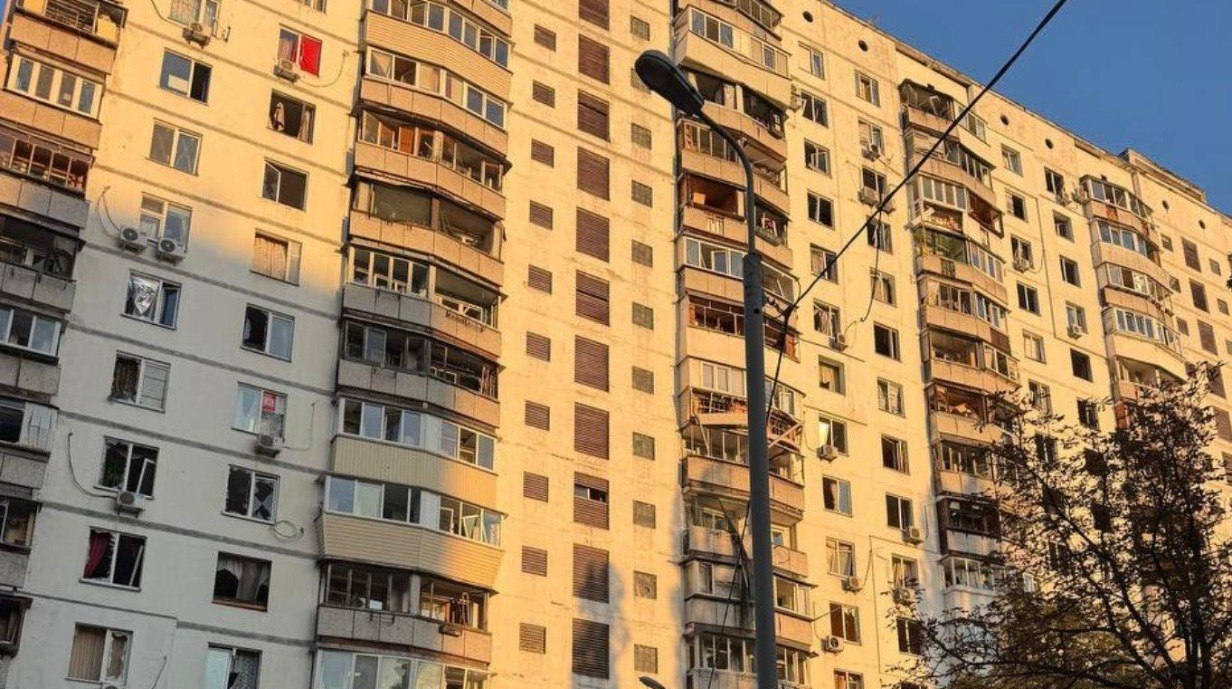
A Russian combined missile and drone attack on the Ukrainian capital on the night of 16–17 September has left 20 people injured, five of them hospitalised, according to Kyiv Mayor Vitali Klitschko. Two children were among the wounded. The attack, which involved 157 drones and anti-ship, ballistic and cruise missiles, damaged residential buildings, educational institutions, offices, a petrol station, warehouses, cars and railway infrastructure facilities, the mayor’s office reported. Ukrainian air defence forces said they shot down 131 of the incoming aerial assets. Source: Ukrainska Pravda
The scale and frequency of strikes on Kyiv have prompted the European Union’s ambassador to Ukraine, Katarína Mathernová, to describe the capital as a frontline city. In a statement posted on X (formerly Twitter) on 17 September, Mathernová said the death toll in Kyiv and the surrounding Kyiv Oblast since the beginning of August was approaching 120. “Since 27 August, we have had nighttime and daytime attacks. The Russians struck us heavily last night, with a massive combined missile & drone attack. The attack ended just a few minutes ago… Russia launched dozens of ballistic and cruise missiles and hundreds of drones, more than half of them jet-powered,” she wrote. Source: Ukrainska Pravda
Mathernová also drew attention to Russia’s targeting of civilian infrastructure, specifically a passenger train hit in Mykolaiv Oblast on 16 September. She noted that 168 passengers and train attendants were evacuated due to the threat of further strikes. “I love Ukrainian trains. I love travelling on them. Today I still do, but with fear,” she said. Russia’s Ministry of Foreign Affairs has described Ukraine’s railway infrastructure as a “legitimate military target” – a claim Mathernová called “an admission” rather than a warning, adding that no one could guarantee the safety of Western politicians and diplomats visiting Ukraine.
The attacks did not stop on 17 September. On the evening of 18 September, Russia launched ballistic missiles against Kyiv, prompting an active air defence response. Mayor Klitschko urged residents to stay in shelters, writing: “Air defence forces are active in the capital. Kyiv is under a ballistic missile attack. Stay in shelters!” Source: Ukrainska Pravda
For European readers following the war, the repeated strikes on Kyiv carry a strategic message: Russia is deliberately escalating attacks on the capital’s civilian and transport infrastructure, aiming to disrupt daily life and undermine Ukraine’s ability to function as a hub for military and humanitarian logistics. The EU envoy’s blunt language – calling Kyiv a “frontline city” – underscores that the diplomatic and political presence in the capital now operates under near-constant threat. The targeting of railway infrastructure, in particular, threatens the movement of both civilians and Western officials, potentially complicating future visits and aid deliveries.
The 17 September attack alone involved a mix of ballistic and cruise missiles as well as jet-powered drones, indicating Russia’s willingness to expend advanced munitions on civilian areas. While Ukraine’s air defence systems continue to intercept a high percentage of incoming threats, the sheer volume of attacks means some will always get through. The 18 September ballistic missile strike, coming less than 24 hours after the previous barrage, suggests a pattern of sustained pressure rather than isolated incidents.
As of the evening of 18 September, the full extent of casualties and damage from the ballistic missile attack has not yet been reported. The open question remains whether the frequency of strikes on Kyiv will continue to escalate, and what additional air defence assets Ukraine’s partners will commit to protect a city that has, in Mathernová’s words, become a frontline.
Sources
- Number of people injured in Russian attack on Kyiv rises to 20 September 17, 2026
- EU ambassador on overnight attack: "Kyiv has become a frontline city" September 17, 2026
- Russians attack Kyiv with ballistic missiles September 18, 2026
Part of the dossier
Russian Missile Attack on Kyiv Injures 20 →