Death Toll Hits 38 in Russian Strike on Munitions Depot Near Kyiv; Power Grid Hit Again
On 28 August, a Russian missile strike on a munitions depot in Myla, Kyiv Oblast, killed 38 and injured 52, including 5 children. The attack, the second such strike near Kyiv in two months, damaged 300 structures. Days later, Russian strikes caused power outages in five oblasts, compounding Ukraine's energy woes.
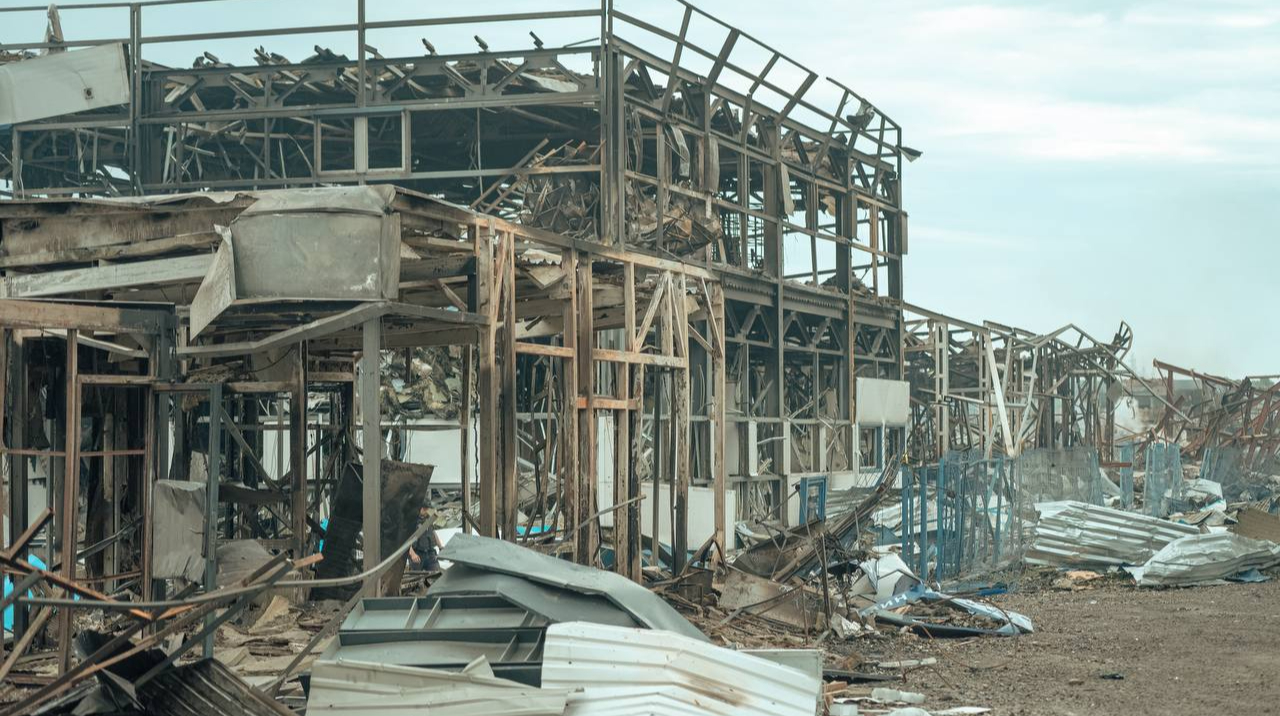
A Russian missile strike on a munitions depot in the village of Myla, Bucha district, Kyiv Oblast, on 28 August triggered a chain of explosions that killed 38 people and wounded 52, including five children, according to updated figures released by Kyiv Oblast Military Administration head Tymur Tkachenko on 30 August. The blast also damaged approximately 300 structures in Myla and surrounding settlements, including more than 200 houses and 14 apartment blocks Source: Ukrainska Pravda.
This is the second time in less than two months that a Russian strike has hit a munitions depot near the capital Source: Al Jazeera. President Volodymyr Zelenskyy confirmed the updated death toll on 30 August, adding that 20 people were injured. In a separate statement, Zelenskyy noted that ammunition cannot be stored near residential buildings and said the first strike hit a defence forces warehouse that "should not have been there." Ukraine's General Staff responded by stating that Russia is the root cause of the tragedy.
State Emergency Service units have extinguished all fires that broke out after the initial detonation, Tkachenko said. Nine people remain hospitalised, with doctors assessing their condition as moderate.
The attack on Myla is part of a broader pattern of Russian strikes on military storage sites and energy infrastructure. On 1 September, a fresh wave of Russian missile and drone strikes caused new power outages in five Ukrainian oblasts: Kyiv, Donetsk, Sumy, Odesa and Kharkiv, according to Ukraine's state-owned electricity transmission operator Ukrenergo Source: Ukrainska Pravda. Emergency repair work is already underway where security conditions permit. The company also noted that severe weather had left 188 settlements in Sumy Oblast without power, compounding the attack damage.
Ukrenergo urged consumers to shift active energy consumption to the period of most efficient operation of industrial solar power plants – from 10:00 to 16:00 – given the weather conditions. The 1 September strikes follow systematic attacks on energy infrastructure in Dnipropetrovsk Oblast on 31 August, where Russian forces struck energy facilities three times over two days, leaving 30,000 households without electricity.
For readers following the war closely, the Myla attack underscores a persistent vulnerability: the proximity of munitions depots to populated areas. Zelenskyy’s admission that the warehouse "should not have been there" signals that the military is reviewing storage practices, but the immediate consequence is a grim human toll. The ability of Russia to repeatedly hit such sites, despite Western air defence systems deployed around Kyiv, raises questions about coverage gaps or the need for more advanced interceptors.
The 1 September power outages, meanwhile, demonstrate that Russia continues to target the grid with sufficient precision to cause rolling blackouts even as winter approaches. The combination of deliberate strikes and natural weather disruptions adds pressure on an already fragile system. Ukraine’s energy operator is racing to repair, but security constraints limit access to some damaged sites.
No specific Russian military unit has been identified as responsible for the 28 August strike. The type of munitions stored at the depot in Myla has not been officially disclosed. The full extent of damage to energy infrastructure from the 1 September strikes is still being assessed.
Sources
Part of the dossier
Russian Strike on Munitions Depot Near Kyiv →