Russian strikes destroy 90% of Ukraine's modern warehouses, reshaping food logistics
Russian attacks have destroyed about 90% of Ukraine’s modern warehouse storage, forcing a shift to costlier 'direct from truck' supply chains. A 29 August drone strike on a munitions warehouse in Bucha killed 27, including a local mayor. Further strikes on 8 September set warehouses ablaze in four Kyiv districts, with officials saying no famine threat exists but logistics are under severe strain.
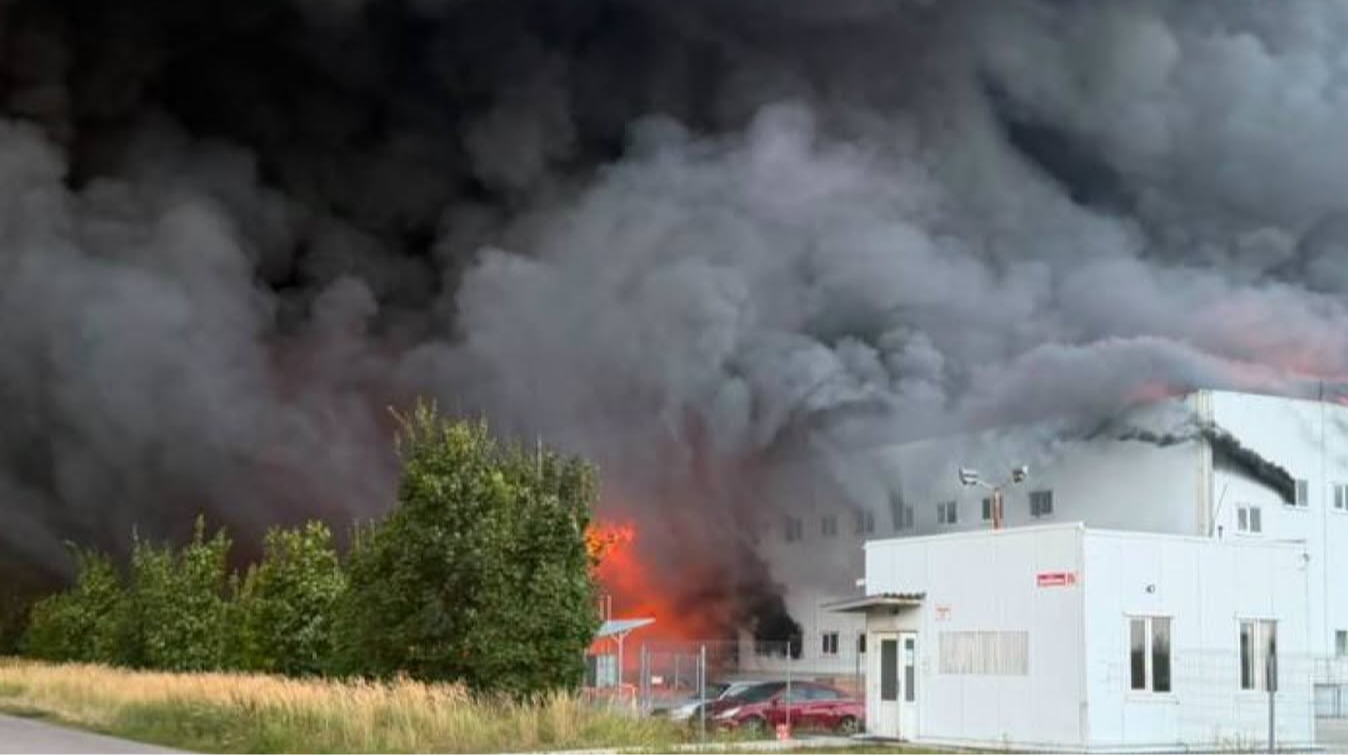
Russian attacks have destroyed roughly 90% of modern warehouse storage in Ukraine, forcing a drastic overhaul of how food and consumer goods reach shops, Agriculture Minister Taras Vysotskyi said on 28 August. The destruction is not causing famine, he stressed, but is raising costs and reducing product variety as supply chains shift to a “straight off the wheels” model.
The revelation came days before a devastating Russian drone strike on a munitions warehouse in the Bucha district outside Kyiv on 29 August killed at least 27 people, including the mayor of Dmytrivska village, Taras Didych. Kyiv regional governor Tymur Tkachenko said the attack, which hit a warehouse storing “explosive objects” in the village of Myla, also damaged at least 50 residential buildings and a restaurant. Ukrainian prosecutors opened an investigation into possible criminal negligence over the storage of munitions at the site, though the company responsible has not been named. (Al Jazeera)
The assault on warehouse infrastructure continued into September. On 8 September, Russian strikes set warehouses ablaze in four districts of Kyiv, according to regional authorities. No immediate casualty figures were released, but the attacks underscore a sustained campaign to cripple Ukraine's ability to store and distribute goods. (Ukrainska Pravda)
Vysotskyi, speaking at a press conference reported by Interfax-Ukraine, said that while 90% of modern storage facilities had been destroyed, “that doesn’t mean Ukrainians will be left without food”. The most viable alternative, he explained, is supplying goods directly from trucks – a method he described as “more complex and expensive”. Some businesses are attempting to relocate to new sites, but Russian attacks are already being recorded at those locations as well. (Ukrainska Pravda)
The minister also called for an “equal distribution of risk” between suppliers and retailers when goods are destroyed by strikes, though he acknowledged the state has no role in commercial contracts. He noted that a 50/50 split may not suit every product category because markups and profitability vary. The comments reflect the growing strain on Ukraine’s private-sector logistics, which have so far kept supermarket shelves stocked despite repeated attacks on energy and transport infrastructure.
Strategically, the targeting of warehouses marks a shift from earlier phases of the war, when Russia focused on power grids and fuel depots. By destroying storage capacity, Moscow is trying to disrupt the last link in the supply chain that keeps urban centres fed. While no immediate shortage is expected, the cumulative effect could push up prices and narrow choice – especially in regions far from the front line. The campaign also raises questions about whether Ukraine can maintain its agricultural export capacity, a key pillar of its economy, if internal storage continues to be degraded.
Sources
Part of the dossier
Russian Destruction of Ukrainian Warehouses and Food Storage →