Russian strikes hit DTEK energy facilities, PepsiCo plant, and Kryvyi Rih industrial site in coordinated attacks
Russian forces struck DTEK energy facilities in Dnipropetrovsk Oblast three times, leaving 30,000 without power, damaged a PepsiCo plant in Mykolaiv Oblast, and hit an industrial site in Kryvyi Rih with a jet-powered drone. No injuries reported at PepsiCo; one miner injured in DTEK attack.
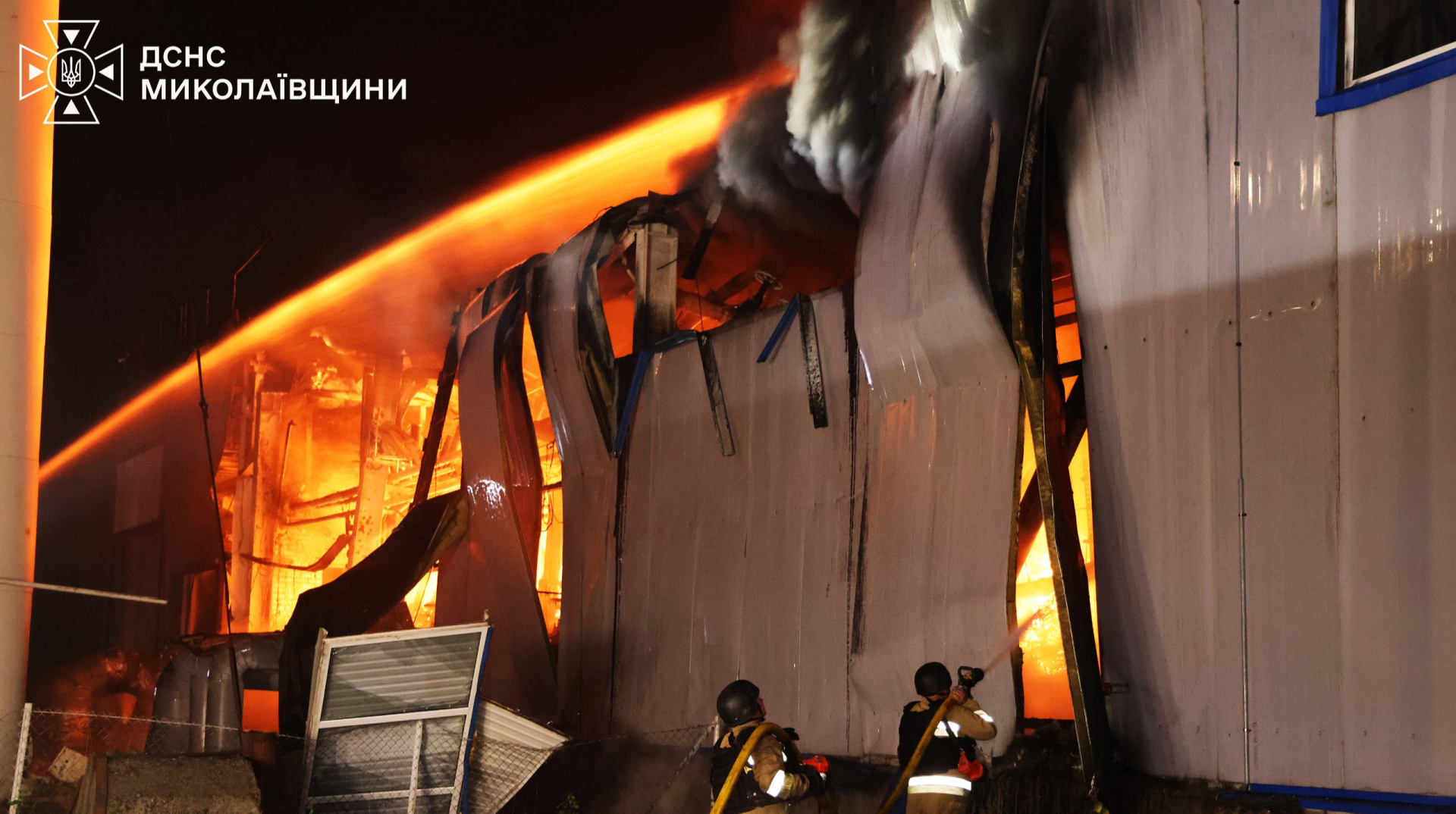
Russian forces have struck multiple civilian and industrial targets across southern and central Ukraine over the past three days, damaging a PepsiCo production facility in Mykolaiv Oblast, DTEK energy infrastructure in Dnipropetrovsk Oblast, and an industrial site in Kryvyi Rih, according to Ukrainian officials and company statements.
PepsiCo facility hit in Mykolaiv Oblast
On 29 August, a Russian attack damaged PepsiCo's production facility in Mykolaiv Oblast, the company confirmed on 30 August. No employees were injured, and the company said it is assessing the full extent of the damage and working to resume product supply to customers and consumers in Ukraine Source 1.
PepsiCo operates three facilities in Ukraine: two in Mykolaiv Oblast and one in Kyiv Oblast. The company produces brands including Pepsi, Lay's, Chipsy, and Sandora. Notably, PepsiCo announced it would leave Russia in 2022 following the full-scale invasion, but instead continued operating there, renaming some products and even expanding with a new snack plant. Its subsidiary Wimm-Bill-Dann increased profit 2.6-fold in 2023, while group sales in Russia grew 26% to $4.7 billion Source 1.
DTEK energy facilities hit three times in Dnipropetrovsk Oblast
In a separate series of strikes, Russian forces attacked DTEK Group energy facilities in Dnipropetrovsk Oblast three times over recent days, the company reported on 31 August. Equipment has been significantly damaged. As a result, 30,000 consumers remain without power, though energy workers have restored electricity to 40,000 others following earlier attacks Source 3.
The attacks on DTEK infrastructure are part of a broader Russian campaign targeting Ukraine's energy grid. On the morning of 31 August, new power outages were recorded in six oblasts of Ukraine following a large-scale Russian strike. The same day, Russian forces also attacked a DTEK mine in Dnipropetrovsk Oblast, injuring one worker who was hospitalized. Earlier, a drone attack on a vehicle carrying DTEK miners killed two workers returning home after their shift Source 3.
Jet-powered drone damages industrial facility in Kryvyi Rih
On 31 August, Russian forces attacked Kryvyi Rih with a jet-powered drone, damaging an industrial facility in the city, according to Oleksandr Vilkul, Head of Kryvyi Rih Defence Council. The specific facility hit has not been identified. The drone attack was still ongoing as of 09:57 Source 2.
In the same overnight period, Russian forces also struck the Zelenodolsk hromada, the city of Nikopol, and the Pokrovsk hromada in the Kryvyi Rih district with drones Source 2.
Strategic context
The coordinated strikes on energy infrastructure, a food production plant, and an industrial facility suggest Russia is continuing its strategy of targeting both critical civilian infrastructure and industrial capacity, aiming to disrupt daily life and economic activity. The attacks come as Ukraine faces ongoing power shortages and as winter approaches, raising concerns about heating and electricity supplies.
The targeting of a PepsiCo facility also highlights the vulnerability of foreign-owned production sites in Ukraine, even those operated by companies that have maintained or expanded business in Russia. While PepsiCo has faced criticism for its continued presence in Russia, the attack on its Ukrainian plant underscores that no industrial site is safe from Russian strikes.
Ukrainian authorities have not yet released a full assessment of the damage to the Kryvyi Rih industrial facility or the PepsiCo plant. DTEK said it is working to restore power to the remaining 30,000 customers as quickly as possible.
Sources
Part of the dossier
War Damage to Ukrainian Infrastructure →