Russian strikes hit PepsiCo plant, DTEK grid, WHO warehouse, and Brovary industrial site in week of infrastructure attacks
Russian strikes over the past week have damaged a PepsiCo plant, DTEK energy facilities, a WHO warehouse, and industrial sites in Kryvyi Rih, Dnipro, Zhytomyr, and Brovary. Putin said the attacks aim to stop Ukraine targeting Russian refineries. Tens of thousands remain without power.
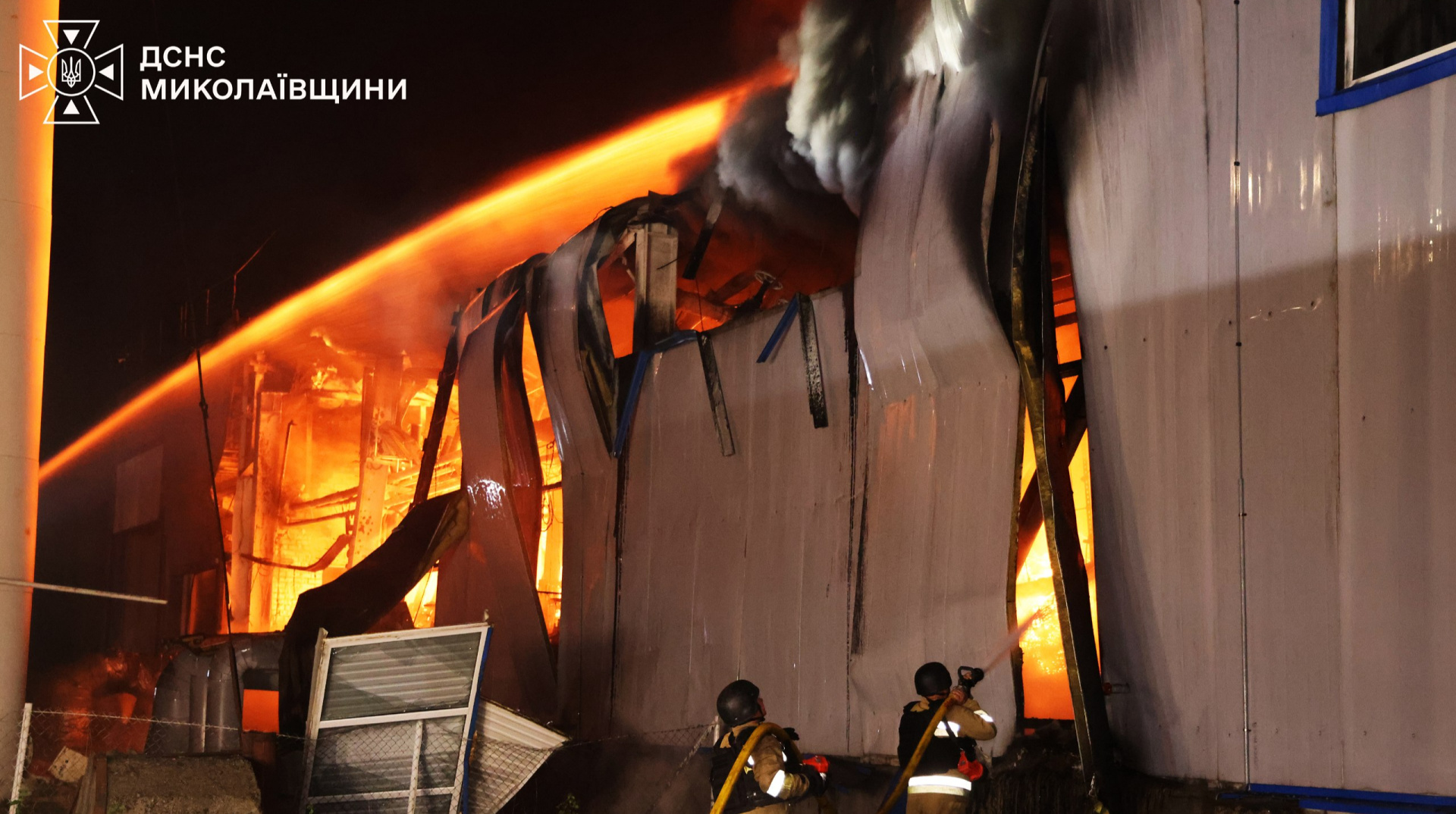
Russian forces have carried out a sustained campaign of strikes against Ukrainian civilian and industrial infrastructure over the past week, hitting a PepsiCo production facility, energy assets of the DTEK Group, a World Health Organisation warehouse, and an industrial site in Brovary, among other targets.
On 29 August, a Russian attack damaged PepsiCo’s production facility in Mykolaiv Oblast. The company confirmed that no employees were injured and that it is assessing the damage and working to resume supply to customers. PepsiCo operates three plants in Ukraine, two in Mykolaiv Oblast and one in Kyiv Oblast Source: Ukrainska Pravda. The same company has faced criticism for continuing to operate in Russia after the 2022 invasion, expanding its presence there instead of leaving.
Two days later, on 31 August, Russian forces struck DTEK energy facilities in Dnipropetrovsk Oblast three times in quick succession. The company reported that equipment was “significantly damaged.” Energy workers restored power to 40,000 consumers in the following days, but as of 3 September, 30,000 remained without electricity Source: Ukrainska Pravda. The same day, a Russian jet-powered drone hit an industrial facility in Kryvyi Rih, according to the head of the city’s defence council, Oleksandr Vilkul. The exact facility and extent of damage were not immediately disclosed Source: Ukrainska Pravda.
On 2 September, the attacks shifted to civilian logistics. A strike on Dnipro injured at least six people and damaged food warehouses belonging to a retail chain, according to Dnipropetrovsk Oblast Military Administration head Oleksandr Hanzha Source: Ukrainska Pravda. The same day, Russian forces struck Zhytomyr Oblast, damaging civilian infrastructure. Vitalii Bunechko, head of the Zhytomyr Oblast Military Administration, said rescue crews were working and casualty figures were being confirmed. He urged residents not to share photos or videos online, as it could help Russian targeting Source: Ukrainska Pravda.
On 3 September, the World Health Organisation confirmed that one of its main warehouses in Ukraine had been damaged in a Russian strike. The extent of the damage and its impact on medical supply distribution was not immediately clear Source: Ukrainska Pravda. The same day, President Vladimir Putin stated that he orders strikes on Ukraine to prevent it from “feeling like” it can attack Russian refineries, framing the campaign as retaliation for Ukrainian drone attacks on Russian energy infrastructure Source: Ukrainska Pravda.
On 4 September, an industrial facility in Brovary, a suburb of Kyiv, caught fire following a Russian attack. Details on the specific facility and casualties were not immediately available Source: Ukrainska Pravda.
Strategic significance
This wave of strikes is part of a broader Russian strategy to degrade Ukraine’s economic and civilian resilience. By targeting manufacturing plants, food storage, energy grids, and even humanitarian warehouses, Moscow aims to increase pressure on Kyiv and the civilian population. The attack on the WHO warehouse is particularly concerning because it could disrupt the distribution of medical supplies across the country. The damage to the DTEK grid leaves tens of thousands without power in the Dnipropetrovsk region, which is also a key industrial hub.
Ukraine’s air defence forces have been working to intercept incoming drones and missiles, but the scale of attacks — often using multiple waves of drones and missiles — makes full protection of widely dispersed infrastructure impossible. The Ukrainian military also debunked a Russian disinformation claim on 3 September about an alleged encirclement of Ukrainian forces in Vovchansk, noting that the claim was “a special place in the history of Russian lies” Source: Ukrainska Pravda.
As the strikes continue, Ukraine’s partners are likely to face renewed calls for additional air defence systems and long-range weapons to allow Ukraine to strike back at Russian launch sites. The targeting of a PepsiCo plant also raises questions about the safety of foreign investment in Ukraine during wartime.
This article was updated on 4 September 2026 with details of the Brovary fire and Putin’s statement.
Sources
- PepsiCo reports damage to its production facility in Mykolaiv Oblast after Russian attack – photos August 30, 2026
- Russia attack industrial facility in Kryvyi Rih with jet-powered drone August 31, 2026
- Russian forces attack energy facilities in Dnipropetrovsk Oblast August 31, 2026
- Russians attack Dnipro: six injured, food warehouses damaged September 2, 2026
- Russians attack Zhytomyr Oblast, damaging infrastructure September 2, 2026
- Industrial facility on fire in Brovary after Russian attack September 4, 2026
- Russians damage one of World Health Organisation's main warehouses in Ukraine September 3, 2026
- Putin says he strikes Ukraine so it "won't feel like" attacking his refineries September 3, 2026
- "A special place in the history of Russian lies": Ukrainian forces debunk fake about "Vovchansk encirclement" September 3, 2026
Part of the dossier
War Damage to Ukrainian Infrastructure →