Russian strikes on Kyiv and beyond: a late-summer campaign of attrition against Ukraine’s cities
Russian missile and drone strikes on Kyiv and other Ukrainian regions between late August and mid-September 2026 killed at least six civilians and injured dozens, hitting residential buildings and infrastructure. The attacks underscore Russia's strategy of attrition against urban centres and highlight Ukraine's need for more air defence.
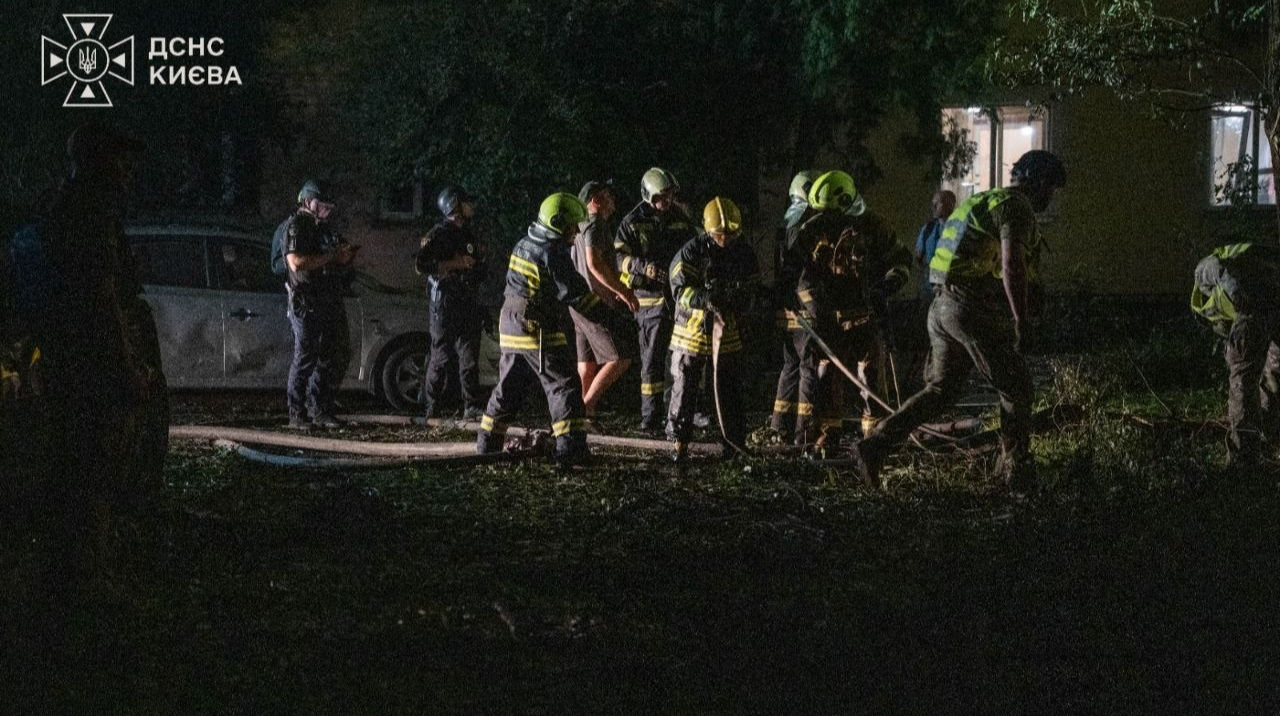
Russian forces have maintained a relentless tempo of missile and drone strikes against Kyiv and other Ukrainian regions over the past three weeks, killing at least six civilians and wounding dozens more in attacks that have hit residential buildings, infrastructure and industrial sites. The pattern – repeated on 29 August, 1 September and 17 September – suggests a deliberate strategy to wear down Ukraine’s air defence and inflict psychological pressure on urban populations, even as the front line remains largely static.
29 August: fire in Obolonskyi residential building
The first of these strikes, on the evening of 29 August, injured at least three people in Kyiv. The State Emergency Service reported that a missile hit a 12-storey residential building in the Obolonskyi district, sparking a fire that spread from the first to the fourth floor and covered 80 square metres. Rescue workers handed three people over to medics. Fires also broke out in non-residential buildings in the Podilskyi and Holosiivskyi districts, and a grass fire in Desnianskyi district covered two hectares (Ukrainska Pravda). The attack was part of a broader wave that also damaged industrial facilities elsewhere, though Ukrainian air defences intercepted a number of incoming targets.
1 September: Boryspil hit hardest
Just three days later, on 1 September, a Russian missile strike on Kyiv Oblast killed three people and injured 12, including two children aged five and 16, according to the State Emergency Service. The worst damage occurred in the city of Boryspil, home to Kyiv’s main international airport. A business premises and a car service station were hit; three cars caught fire and a five-storey residential building, a shop and two private houses were damaged. Rescue teams evacuated 48 people and pulled two people from under the rubble. One lorry caught fire at an infrastructure facility, and a company building suffered a direct hit that killed two and injured three. A separate strike on a car service station killed one person (Ukrainska Pravda). The targeting of civilian infrastructure in a city that serves as a key logistics hub for the capital appeared designed to disrupt daily life and undermine Kyiv’s ability to function.
17 September: a nationwide barrage
The largest coordinated attack of the period came overnight on 17 September, when Russian forces launched missiles and drones across Kyiv, Zaporizhzhia and Odesa regions, injuring at least 19 people. Ukraine’s Air Force said it destroyed or suppressed 131 Russian aerial targets, with strikes recorded at 36 locations and debris from intercepted targets falling at five sites (Al Jazeera). Russia’s Defence Ministry claimed its forces hit metallurgical and electronics plants, military-industrial complex factories, energy and transport facilities – as well as three bulk carriers and a ferry in the port of Chornomorsk, which it said were used to supply the Ukrainian military.
In Odesa, seven people were injured, including two children, after a high-rise apartment block was damaged and a private residential building destroyed. Warehouses, a nursery school, cars and garages were also hit. In Kyiv’s Dniprovsky district, a warehouse, office building, residential buildings and cars were damaged; the Solomyansky and Darnitsky districts also reported damage to warehouses and vehicles. In the Podilsky district, the roof of a non-residential building was damaged. Outside the capital, civilian areas and infrastructure were targeted in the Obukhiv, Brovary, Fastiv and Bucha districts, according to Tymur Tkachenko, head of the Kyiv regional military administration.
Strategic significance
The repeated strikes on residential areas and civilian infrastructure – not just military targets – fit a pattern that human rights groups and the UN have documented since the start of the full-scale invasion: deliberate attacks on populated areas far from the front line. For Ukraine’s Western allies, these attacks underscore the urgent need for additional air defence systems, particularly to protect cities like Kyiv, which has faced near-daily alerts. The strikes also come at a politically sensitive time, as the US Congress debates further military aid and European countries strain to replenish their own stocks after two and a half years of war.
Ukraine’s Air Force has become adept at intercepting a high percentage of incoming missiles and drones, but the sheer volume of launches – combined with Russia’s ability to adjust tactics, such as using decoys and swarms – means some always get through. The 17 September attack, with 131 targets destroyed or suppressed, shows the scale of the challenge. Each interceptor missile costs millions of dollars, while Russia’s Shahed drones cost a fraction of that.
What comes next
With autumn approaching, Ukrainian officials expect Russia to intensify strikes on energy infrastructure, as it did last winter, aiming to freeze the population into submission. The attacks on Kyiv, Odesa and Zaporizhzhia in late summer may be a prelude to that campaign. For now, the focus remains on rescue and repair. The State Emergency Service has released photographs of charred apartments, twisted metal and emergency workers sifting through rubble – images that have become tragically familiar to Ukrainians and that Kyiv’s allies will see as a reminder that the war is far from over.
Sources
Part of the dossier
Russian strike on Kyiv injures at least three →