Russian strikes kill 12 in Kyiv, including six railway workers, in sixth consecutive night of attacks
Russian missile and drone strikes on Kyiv and the region overnight killed 12 people, including six railway workers from state company Ukrzaliznytsia. The attack, part of a sixth consecutive night of strikes on the capital, also injured 17, among them two children. President Zelensky said nearly 350 rescue workers responded and an Indian national was among the casualties.
Russia launched a fresh wave of missile and drone strikes against Kyiv and the surrounding region overnight on 31 August–1 September 2026, killing at least 12 people and wounding 17, including two children. The attacks mark the sixth consecutive night that the capital has been targeted, in what Ukrainian officials describe as a deliberate campaign to wear down civilian infrastructure and essential services.
Among the dead were six railway workers employed by the state-owned company Ukrzaliznytsia. Their depot was hit in the early hours of Tuesday, according to BBC News. Fires were reported in three districts of the city. In the town of Boryspil, east of Kyiv, a residential building was struck, killing four people.
President Volodymyr Zelensky said on Tuesday morning that nearly 350 rescue workers had worked through the night. In a social media post, he reported that an Indian national was among the casualties, and that eight other Ukrainian regions had also come under attack. The Guardian notes that the strikes left “thousands” of families without electricity in the Odesa region and deliberately damaged a border crossing with Romania.
Russia’s military said its “massive strike using high-precision weapons” targeted Ukraine’s “military-industrial and fuel-energy” facilities. No independent verification of this claim was available.
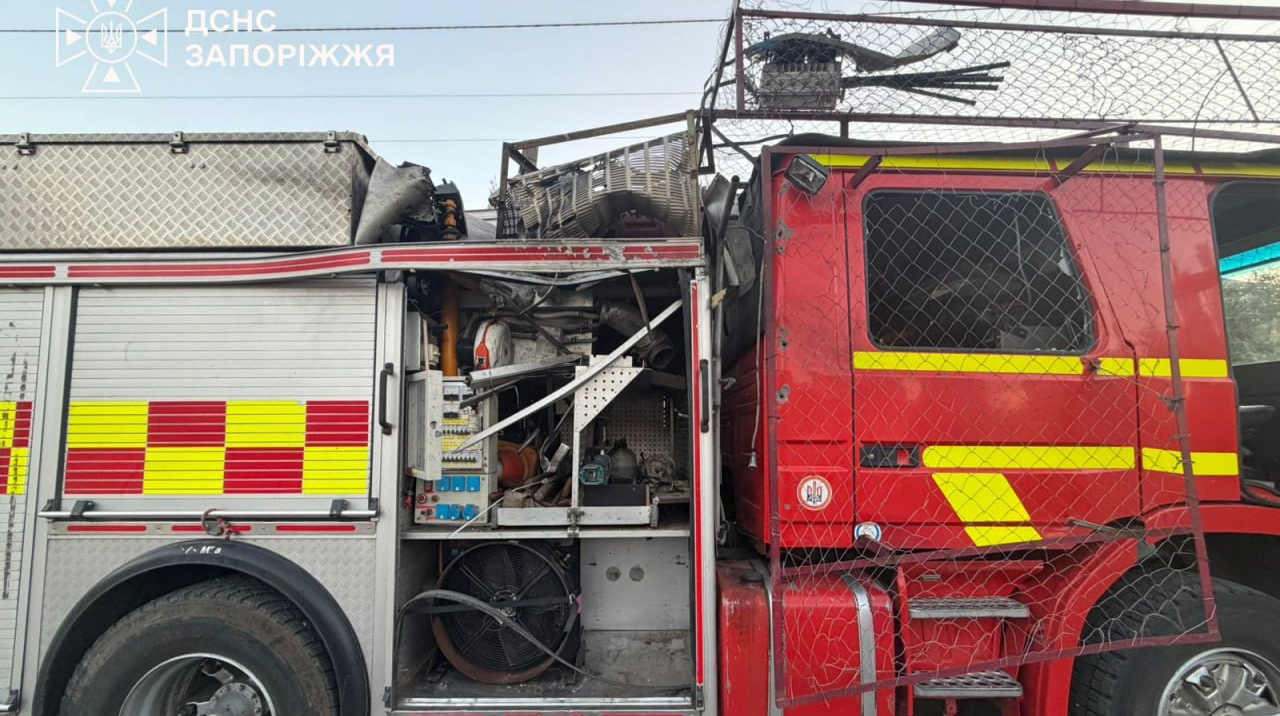
In a separate incident, Russian forces attacked a fire and rescue vehicle on the outskirts of Zaporizhzhia with a drone, injuring four first responders, according to the Ukrainska Pravda. The vehicle was on its way to extinguish a fire at a house caused by an earlier Russian attack. The targeting of emergency workers has become a recurring pattern in the war.
On the Russian side, acting Governor of the Belgorod region Aleksandr Shuvaev reported that one person was killed in Ukrainian strikes on the region, according to BBC.
Tuesday’s barrage follows a particularly deadly week: on 29 August, Russian strikes on a weapons depot in the Kyiv region killed 38 people, causing secondary explosions of shells, mines and drones.
Strategic significance
The deliberate targeting of railway workers is a blow to Ukraine’s logistics. Ukrzaliznytsia has been a vital artery for both military supplies and civilian evacuation throughout the war. By hitting depot workers, Moscow aims to disrupt the movement of troops and equipment to the front. The six consecutive nights of attacks on Kyiv also suggest a tactical shift: instead of sporadic long-range strikes, Russia is now trying to keep the capital under constant pressure.
International reaction
On Monday, Indian Prime Minister Narendra Modi urged Russian President Vladimir Putin to end the war, saying every day of conflict set humanity back. India’s economy depends heavily on discounted oil from Moscow. The EU’s defence ministers, meeting informally in Wicklow, Ireland, on Tuesday, discussed the rising threat from Russia, including a suspected arson attack on a drone factory in Poland on Sunday night and brief air alerts in Estonia and Latvia over drones near their airspace.
What comes next
Ukraine’s air defence capabilities remain stretched, and Russia continues to produce large numbers of long-range drones and missiles. With the onset of autumn, the risk of a broader campaign against energy infrastructure looms, reminiscent of the winter of 2022-2023. For now, Kyiv’s rescue services are bracing for more overnight strikes.
Sources
- Russia hits firefighters responding to emergency in Zaporizhzhia, injuring four first responders – photos September 1, 2026
- Russian strike hits rail workers in new deadly attacks on Kyiv September 1, 2026
- At least 12 people killed in Russian overnight attacks on Ukraine – Europe live September 1, 2026
Part of the dossier
Russian strikes on Kyiv hit railway workers, killing 12 →