Russian strikes hammer Ukrainian infrastructure: PepsiCo plant, DTEK grid, and WHO warehouse hit within days
Between 29 August and 3 September 2026, Russian forces struck a PepsiCo plant in Mykolaiv Oblast, a WHO warehouse, DTEK energy facilities, and civilian sites in Dnipro and Zhytomyr Oblast. At least six people were injured and 30,000 households remain without power. The attacks underline Russia's sustained campaign against Ukraine's critical infrastructure.
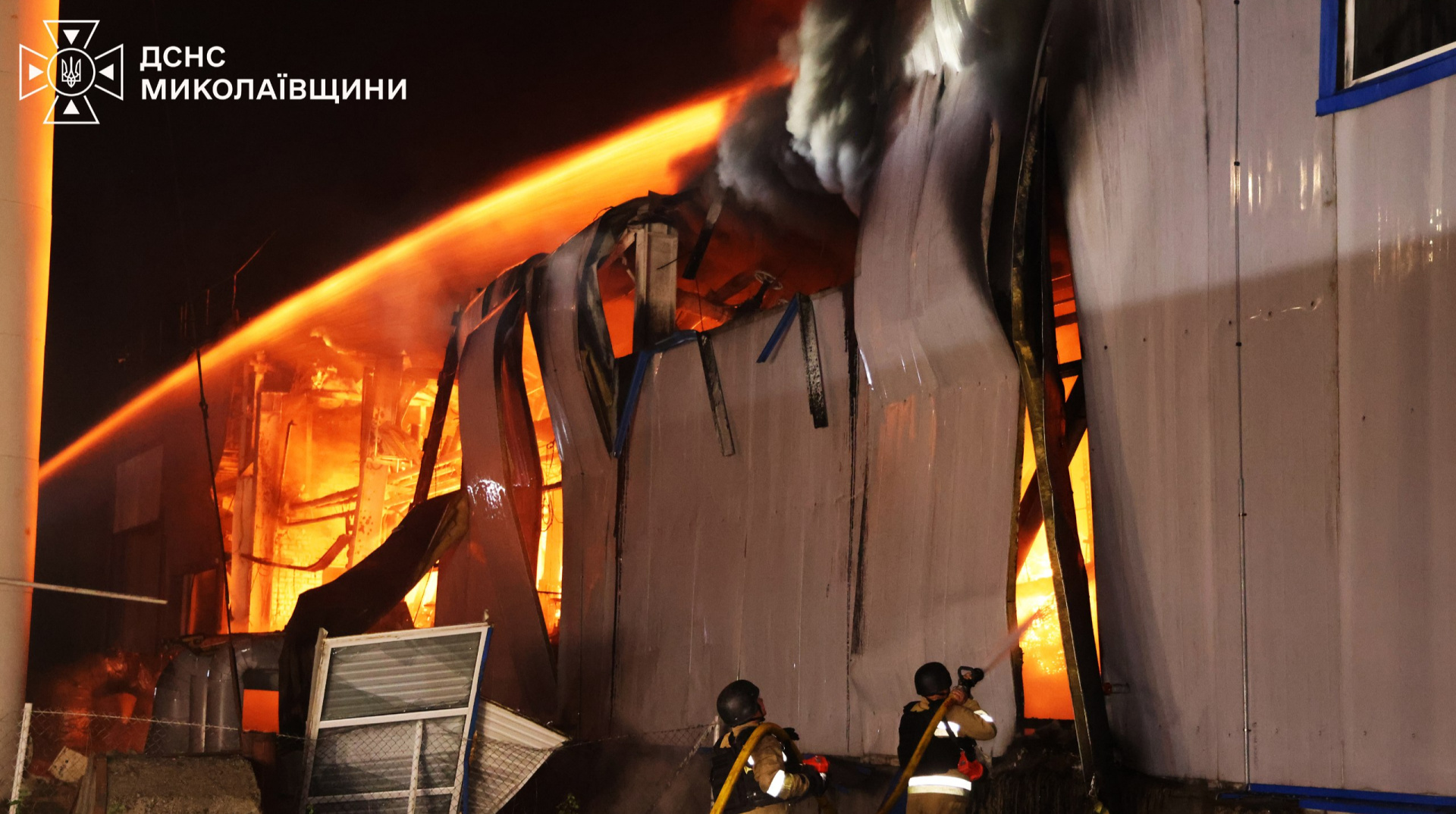
Russian forces have conducted a series of strikes against civilian and industrial infrastructure across Ukraine between 29 August and 3 September 2026, damaging a PepsiCo production plant, a World Health Organisation (WHO) warehouse, DTEK energy facilities, and multiple retail and civilian sites. The attacks, which injured at least six people and left tens of thousands without power, fit a pattern of systematic targeting of non-military assets that has drawn condemnation from Kyiv and humanitarian groups.
PepsiCo facility hit in Mykolaiv Oblast
On 29 August, a Russian attack damaged a PepsiCo production facility in Mykolaiv Oblast. The company confirmed the strike on 30 August, stating that no employees were injured and that it was assessing the full extent of the consequences PepsiCo Ukraine via Ukrainska Pravda. The facility produces soft drinks, juices, and snacks under brands such as Pepsi, Lay's, and 7up. PepsiCo operates three plants in Ukraine, two of which are in Mykolaiv Oblast and one in Kyiv Oblast. The company had previously drawn criticism for continuing to operate and even expand in Russia after announcing a withdrawal in 2022.
DTEK energy grid battered, 30,000 still without power
On 31 August, Russian forces struck DTEK Group facilities in Dnipropetrovsk Oblast three times in a single day. The private energy company reported that equipment was significantly damaged and that 30,000 consumers remained without electricity, despite repair crews restoring power to 40,000 other households over the preceding two days DTEK via Ukrainska Pravda. The attacks are part of a broader campaign against Ukraine's energy infrastructure that has been ongoing since autumn 2022.
Also on 31 August, a jet-powered drone hit an industrial facility in Kryvyi Rih, according to Oleksandr Vilkul, head of the city's defence council. He did not specify which facility was struck, and the attack continued for several hours Oleksandr Vilkul via Ukrainska Pravda.
Dnipro strike injures six, damages food warehouses
On 2 September, a Russian strike on the city of Dnipro injured at least six people and damaged food warehouses belonging to an unnamed retail chain. Oleksandr Hanzha, head of the Dnipropetrovsk Oblast Military Administration, confirmed the casualties and the fire that followed the strike Oleksandr Hanzha via Ukrainska Pravda. The attack comes just over a week after Russian forces destroyed the Karavan shopping and entertainment centre in the same city.
Zhytomyr Oblast civilian infrastructure hit
The same day, Russian forces attacked Zhytomyr Oblast, damaging civilian infrastructure in the Zhytomyr hromada. Vitalii Bunechko, head of the regional military administration, said emergency crews were on site and asked residents not to post photos or videos online, as this could help the Russians. Casualty numbers were still being confirmed as of 2 September Vitalii Bunechko via Ukrainska Pravda.
WHO warehouse damaged on 3 September
On 3 September, a World Health Organisation warehouse in Ukraine was damaged in a Russian attack, according to reports confirmed by the agency. The WHO facility served as one of its main storage hubs for medical supplies in the country. No details on the location or extent of damage were immediately available Ukrainska Pravda.
Strategic significance
The strikes over a six-day period illustrate the breadth of Russia's targeting of infrastructure beyond the front line. Hitting a multinational food company's plant and an international health organisation's warehouse carries both economic and humanitarian consequences. For PepsiCo, the damage disrupts supply chains for everyday goods; for the WHO, it hampers the delivery of medical aid to a population already under strain. The repeated attacks on DTEK's grid compound the challenge for Ukraine's energy system as winter approaches.
Ukrainian authorities have consistently accused Russia of violating international humanitarian law by attacking civilian objects. Moscow, for its part, does not comment on specific strikes but routinely denies targeting non-military infrastructure.
Sources
- PepsiCo reports damage to its production facility in Mykolaiv Oblast after Russian attack – photos August 30, 2026
- Russia attack industrial facility in Kryvyi Rih with jet-powered drone August 31, 2026
- Russian forces attack energy facilities in Dnipropetrovsk Oblast August 31, 2026
- Russians attack Dnipro: six injured, food warehouses damaged September 2, 2026
- Russians attack Zhytomyr Oblast, damaging infrastructure September 2, 2026
- Russians damage one of World Health Organisation's main warehouses in Ukraine September 3, 2026
Part of the dossier
War Damage to Ukrainian Infrastructure →