Sixth day of Russian UAV attacks on Kyiv Oblast: woman wounded in Brovary district, child among injured on 8 September
Russian jet-powered UAVs struck Kyiv Oblast for a sixth day on 1 September, wounding a woman in Brovary district. A two-year-old child was injured in a later strike on 8 September. Elsewhere, a woman hurt in a minibus attack in Kherson died in hospital.
Russian forces have escalated their drone campaign against Kyiv Oblast, striking the region for a sixth consecutive day as of 1 September. A 55-year-old woman was wounded in the Brovary district when a jet-powered UAV hit the area, according to Tymur Tkachenko, Head of the Kyiv Oblast Military Administration. Writing on Telegram, Tkachenko said the woman was taken to a local hospital with a thigh wound and was receiving medical treatment. A house was also damaged in the Brovary strike, and warehouse facilities in the neighbouring Bucha district caught fire after being hit. Firefighters were deployed to contain the blaze, Tkachenko added. Source: Ukrainska Pravda, 1 September 2026
Oleksandr Medvid, acting head of the Borshchahivka village council, reported that a strike was recorded in the village of Chaiky in the Bucha district during the same attack. The area has been under persistent aerial threat: the region has now faced six straight days of UAV attacks, Tkachenko noted, calling it a deliberate campaign of terror against civilians.
The attacks did not stop after 1 September. On 8 September, another strike on Kyiv Oblast caused injuries, including to a two-year-old child, according to local officials. The full extent of casualties from that attack remains unclear, but the pattern of repeated UAV strikes targeting populated areas suggests a deliberate strategy by Russian forces to disrupt life in the capital region and inflict civilian harm. Source: Ukrainska Pravda, 8 September 2026
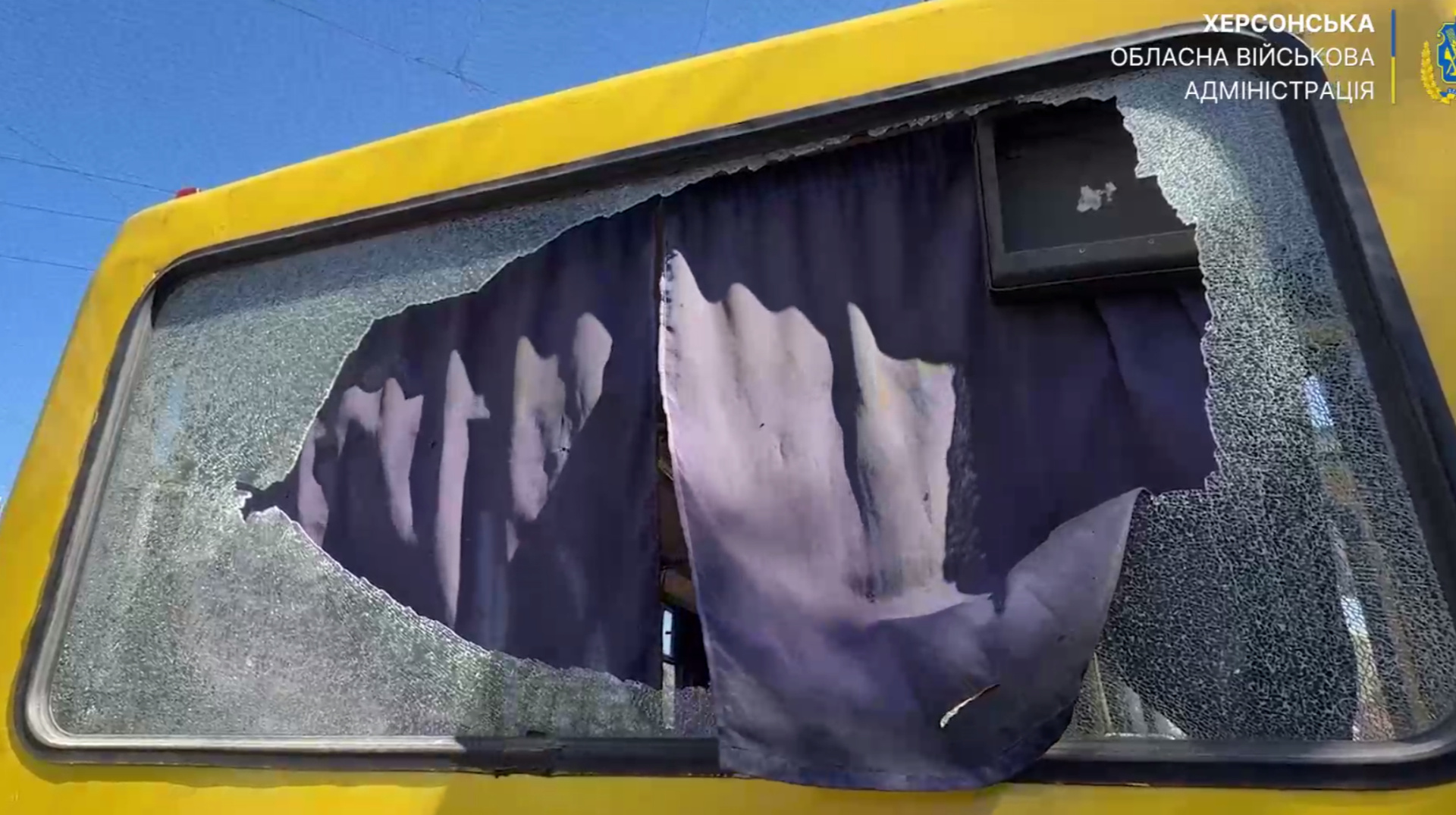
Separately, on 5 September, a woman who had been injured earlier in a Russian attack on a minibus in the southern city of Kherson died in a hospital in Mykolaiv. The attack on the minibus occurred on an unspecified earlier date; the woman’s death underscores the lethal toll that Russian strikes continue to exact on civilians across Ukraine. Source: Ukrainska Pravda, 5 September 2026
Why it matters
Kyiv Oblast, which surrounds the capital, has been a frequent target of Russian long-range strikes throughout the war. The use of jet-powered UAVs — typically the Shahed-type drones — allows Russian forces to strike with relative impunity because these drones are cheap to produce and difficult to intercept in large numbers. Six consecutive days of attacks indicate that Moscow has allocated a persistent drone contingent to harass the region, possibly to strain Ukrainian air defence resources and to demoralise the population.
The injury to a two-year-old child on 8 September is a particularly stark reminder of the indiscriminate nature of these strikes. Unlike precision missiles, UAVs often miss their intended targets or are diverted by electronic warfare, leaving civilians in residential areas vulnerable.
As of 8 September, there were no reports of a lull in the UAV campaign. The Kyiv Oblast Military Administration has urged residents to heed air raid alerts and to shelter during attacks. The repeated strikes also raise questions about the adequacy of Ukraine’s air defence coverage over the capital region, though officials have not commented on specific interception rates.
The death of the woman in Mykolaiv on 5 September, injured in a minibus attack in Kherson, adds to the broader toll of Russian strikes on civilian transport and infrastructure in southern Ukraine. Kherson, partially occupied in 2022 and recaptured later that year, remains under constant artillery and drone fire from Russian positions on the east bank of the Dnipro River.
This is not a developing story in the sense of rapid change — it is a sustained, grinding reality. For readers in Europe watching the war, the significance lies in the Kremlin’s willingness to expend resources on a campaign that has no military objective other than to terrorise. The use of jet-powered UAVs over Kyiv for six days in a row signals that Russia is not running out of drones and has no intention of de-escalating.
Source attribution:
Sources
- Woman injured in Russian UAV strike on Brovary district in Kyiv Oblast September 1, 2026
- Woman injured in Russian attack on minibus in Kherson dies in hospital in Mykolaiv September 5, 2026
- Russian strike on Kyiv Oblast: two-year-old child among those injured September 8, 2026
Part of the dossier
Russian UAV Strike Injures Woman in Kyiv Oblast →