Sweden Convened National Security Council Over Russian Hybrid Threats After Leipzig Drone Attack
Sweden convened its National Security Council after Germany blamed Russia for a drone attack at Leipzig Airport carrying explosives. Prime Minister Kristersson said the incident is part of Russia's increasingly reckless hybrid campaign to undermine European support for Ukraine. This comes as Germany records over 165 suspected sabotage acts in 2026.
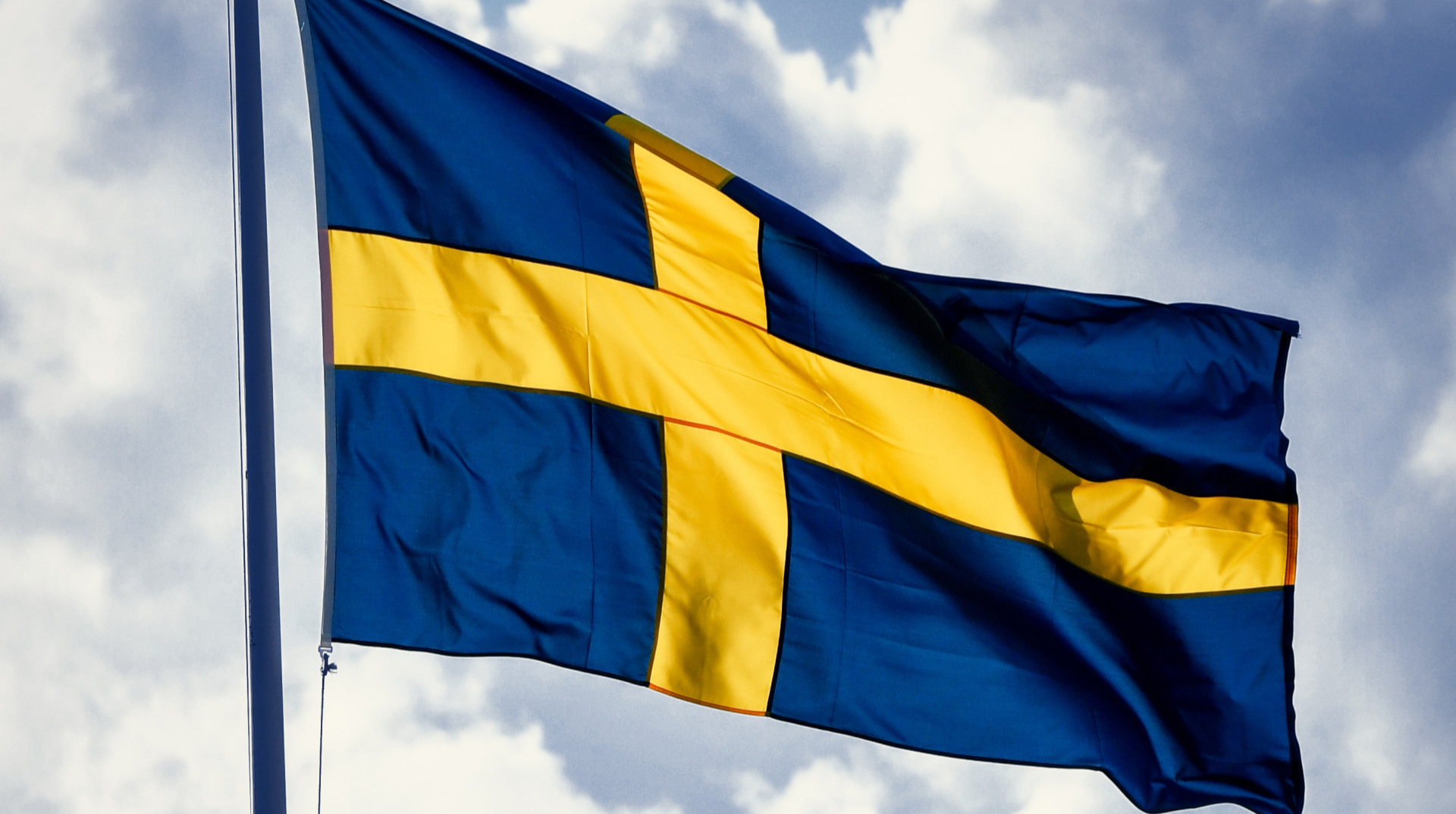
Sweden has convened its National Security Council after Germany publicly attributed a drone attack at Leipzig Airport to Russia, marking a significant escalation in European responses to what officials describe as a coordinated hybrid campaign aimed at undermining support for Ukraine.
On 2 September 2026, Swedish Prime Minister Ulf Kristersson announced that the National Security Council meeting had concluded in Stockholm. The session was called after Germany’s government directly accused Russia of orchestrating an incident in early August, in which a drone carrying explosives was found at Leipzig Airport. according to Ukrainska Pravda.
At the meeting, briefings were delivered by the Swedish Military Intelligence and Security Service and the Swedish Security Service. “The government considers the events in Leipzig to be part of Russia's increasingly active hybrid actions, characterised by growing recklessness and indifference,” Kristersson wrote on X, as reported by European Pravda. “The aim of Russia's actions is to undermine Europe's support for Ukraine, increase pressure on our societies and sow division and fear. But Russia will not succeed.”
This development comes against a backdrop of a broader suspected sabotage campaign. On 4 September, Germany reported that it had recorded over 165 suspected acts of sabotage since the beginning of the year. according to Ukrainska Pravda. The cumulative figure, which includes a wide range of incidents from infrastructure tampering to attempted attacks, suggests a pattern that German authorities attribute to Russian state-directed efforts.
In response to the Leipzig airport incident, Germany has already taken diplomatic steps. On 1 September, German Foreign Minister Johann Wadephul summoned the Russian ambassador and announced the closure of the Russian consulate general in Bonn and of the Russian House cultural centre in Berlin. The European Union and several member states also summoned Russian diplomats in a coordinated show of solidarity.
For Sweden, the timing of the National Security Council meeting is particularly charged. Last May, Stockholm suspended plans for the Konti-Skan Connect power cable to Denmark amid a dispute with the European Union over grid rules and bottleneck revenues. according to Nordisk Post. While that dispute is about energy policy and market regulation, it nonetheless underscores a period of heightened strain between Stockholm and Brussels — strain that Moscow may attempt to exploit.
Kristersson’s framing of the hybrid threat is unequivocal: Russia is seeking to fracture European unity on Ukraine. This assessment is shared by German authorities, who have linked the surge in sabotage attempts directly to Russia’s broader war effort. The 165-plus suspected acts of sabotage in Germany alone provide a statistical backdrop to Kristersson’s warning that hybrid attacks are becoming “increasingly reckless.”
Swedish intelligence assessments, as briefed to the National Security Council, now inform government policy. The EU and NATO have both warned member states about Russian hybrid operations spanning cyberattacks, disinformation campaigns, physical sabotage and drone incursions. The Leipzig incident represents a kinetic escalation — a drone packed with explosives found on civilian airport grounds.
What comes next remains an open question. The Swedish government has not announced specific countermeasures beyond convening the Security Council, but Kristersson’s public statement signals that Stockholm views the threat as an active and immediate challenge to national security. European allies are expected to discuss further collective responses, including potential sanctions on Russian entities involved in hybrid operations, enhanced protection for critical infrastructure, and stricter border security for drones.
For now, the Leipzig attack has become a catalyst for a more coordinated European stance. Whether this leads to concrete defensive measures or simply more diplomatic expulsions will depend on whether further incidents occur — and on how willing EU member states are to treat hybrid warfare as a shared combat mission rather than a law enforcement problem.
Sources
- Sweden convenes National Security Council after Berlin blamed Russia for Leipzig incident September 2, 2026
- Sweden pauses Denmark power cable over EU grid rules September 2, 2026
- Germany records over 165 suspected acts of sabotage since beginning of year September 4, 2026
Part of the dossier
Russia Hybrid Threats and Drone Incidents →