Three days of drone hell: Russia targets Kyiv with record 484 attack UAVs, kills toddler
Russia launched at least 484 attack drones at Kyiv over three days (27-29 August), killing a two-year-old girl and injuring eight. Ukraine's Air Force shot down or jammed most, but the sustained daytime assaults signal a tactical shift. Russia's Defence Ministry now threatens large-scale strikes on energy infrastructure.
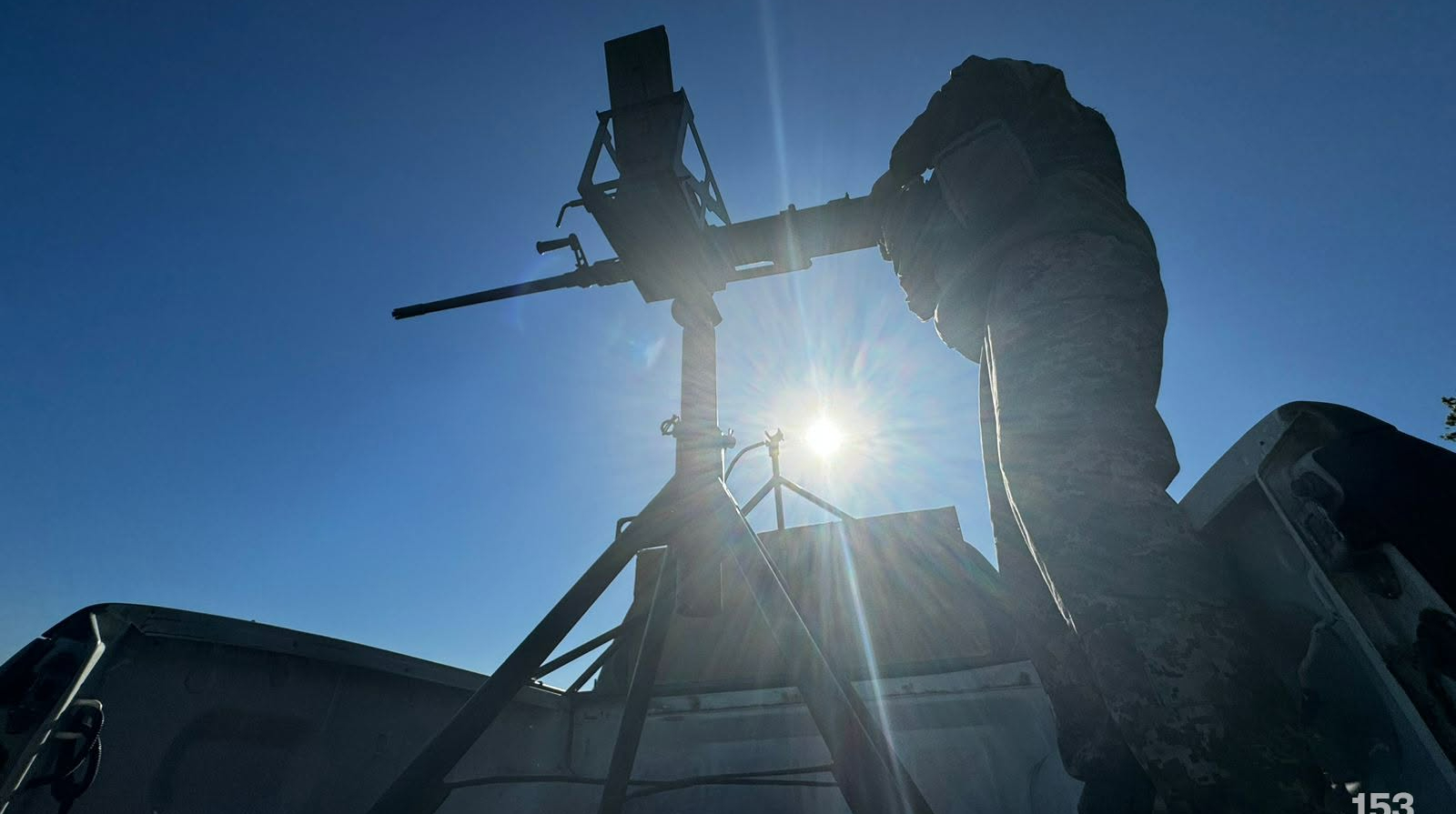
Russia has subjected Kyiv to three consecutive days of mass drone attacks, deploying a combined total of at least 484 attack UAVs between 27 and 29 August in what appears to be a deliberate effort to overwhelm Ukrainian air defences and terrorise the capital’s civilian population.
On 27 August alone, the air-raid warning sounded 11 times in Kyiv, according to the Kyiv City Military Administration. Emergency services extinguished a roof fire at a four-storey residential building in the Podilskyi district, and debris from intercepted drones fell on a student accommodation in the Desnianskyi district.
The intensity escalated sharply overnight on 27–28 August. Russia launched 164 strike drones – including Shaheds, Gerberas and Parodiya decoys – from Oryol, Bryansk, Millerovo, occupied Donetsk and occupied Crimea. Ukraine’s Air Force reported that 137 were shot down or jammed, with strikes recorded at 16 locations across the country and debris falling at four sites. The attack was still ongoing as of 09:00, with around 10 drones remaining in Ukrainian airspace.
The following day, 28 August, Russia introduced a new weapon into the mix: the S8000 Banderol missile drone. The Air Force confirmed that seven Banderols and 96 strike UAVs were used – more than 70 of them jet-powered – with “most of the drones directed towards the Ukrainian capital.” Six Banderols and 73 strike UAVs were downed or jammed.
The third day, 29 August, was the deadliest. Russia targeted Ukraine with 224 attack UAVs, again overwhelmingly aimed at Kyiv. Air defence managed to shoot down or jam 199. But one drone that got through crashed in the Obolonskyi district, damaging a café and killing a two-year-old girl. Another struck a non-residential building in Podilskyi. By the end of the day, the number of injured in Kyiv had risen to eight.
What this means strategically
This three-day barrage represents a tactical shift. Russia is not just launching drones at night in wave attacks – it is now striking throughout the day, forcing Kyiv’s air defence to remain active continuously. The use of jet-powered drones and the new Banderol missile drone, which combines a cruise missile’s range with a drone’s manoeuvrability, suggests the Kremlin is trying to exhaust Ukraine’s stock of surface-to-air missiles and electronic warfare systems.
Reservist major Oleksandr Kovalenko, a military analyst, said the geographic dispersal of launch sites – from Bryansk in the north to occupied Crimea in the south – makes interception harder. “They are forcing us to spread our air defence screen thin, then concentrating mass salvos on the capital,” he told Ukraine Desk.
The psychological impact is deliberate. Kyiv has not experienced 11 air-raid warnings in a single day since the winter of 2022–23. With winter approaching, the attacks may be a rehearsal for a renewed campaign against Ukraine’s energy grid.
What comes next
On 30 August, Russia’s Defence Ministry announced it is preparing for large-scale strikes on Ukrainian energy infrastructure, claiming retaliation for Ukrainian strikes on civilian infrastructure inside Russia. The ministry offered no evidence for its claim. Ukraine’s energy ministry said reserves are sufficient for the coming winter but warned that “systematic strikes could change that calculation.”
For now, Kyiv’s air defence crews are rotating in shifts. The overnight lull on 29–30 August was the first quiet night in four days – but with a Russian Defence Ministry threatening escalation, no one expects it to last.
Sources
- Explosions rock Kyiv throughout the day due to Russian drones: damage reported August 27, 2026
- Russia launches 164 drones at Ukraine, strikes recorded at 16 locations August 28, 2026
- Russia attacks Ukraine with Banderol missile drones and strike UAVs throughout day – Air Force August 28, 2026
- Russia attacked Ukraine with 224 drones during the day, mostly targeting Kyiv August 29, 2026
- Air raids, conscripts and China: How Myanmar’s military is regaining ground August 30, 2026
- Russian Defence Ministry says it is preparing for large-scale strikes on Ukrainian energy infrastructure August 30, 2026
Part of the dossier
Russia Drone Attacks on Kyiv →