Trump envoys Witkoff and Kushner arrive in Kyiv with peace proposal after three-hour Kremlin talks; EU joins the push
US envoys Witkoff and Kushner arrived in Kyiv on 6 September after a three-hour meeting with Putin in Moscow, carrying a peace proposal from President Trump. A three-day ceasefire is in effect as EU representatives join the talks in the Ukrainian capital.
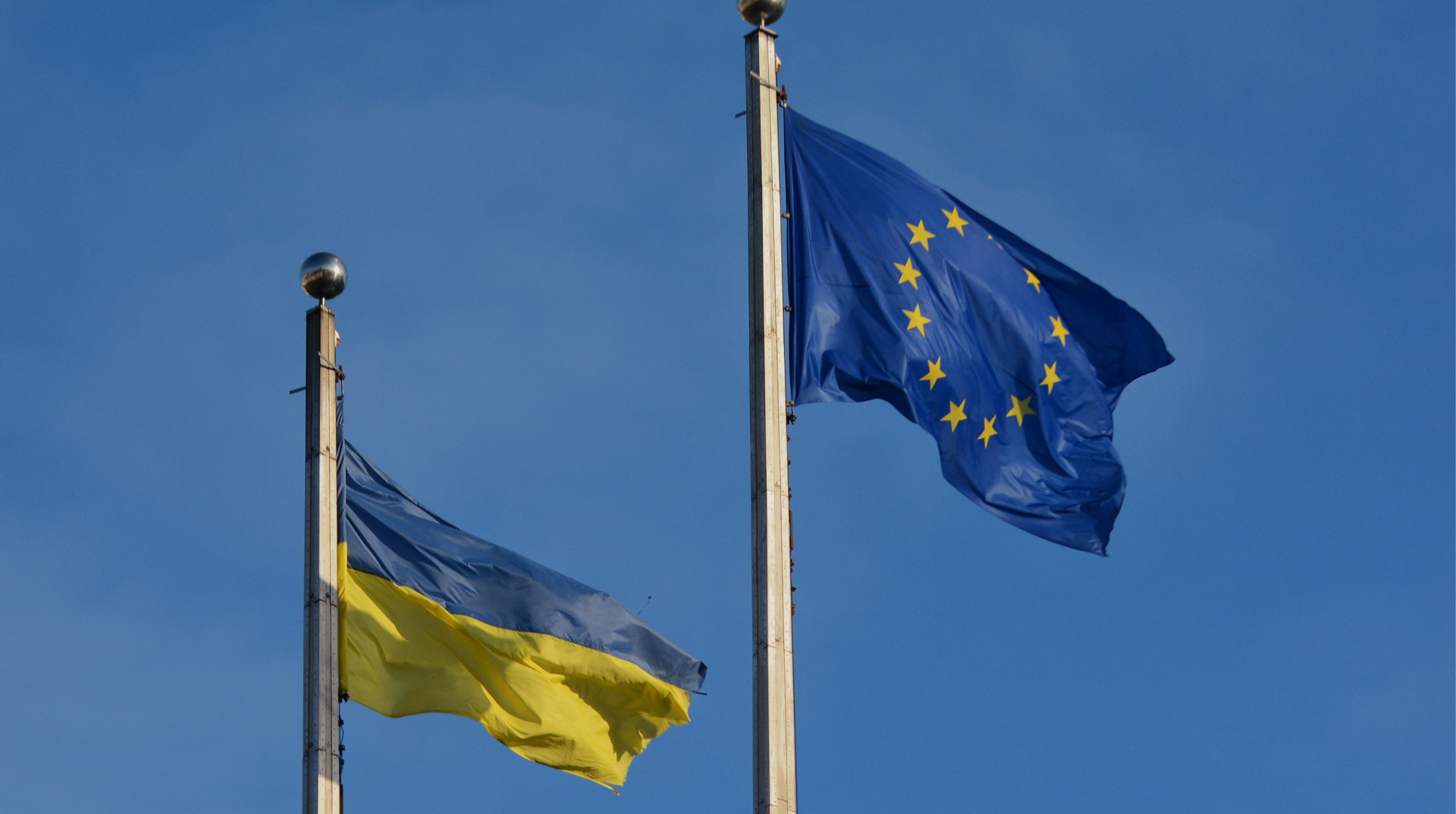
US envoys Steve Witkoff and Jared Kushner landed in Kyiv on Sunday, 6 September, carrying a peace proposal from President Donald Trump, just a day after holding more than three hours of talks with Russian President Vladimir Putin in Moscow. The shuttle diplomacy is the most direct attempt by the Trump administration to revive negotiations to end the war in Ukraine, and it comes with a rare show of coordination between Washington and Brussels: EU representatives are also present in the Ukrainian capital alongside the American delegation, according to Ukrainska Pravda.
Both Moscow and Kyiv announced a three-day ceasefire covering the diplomats’ visits, a fragile pause that began on Saturday. Whether that window will be used to produce a lasting framework remains deeply uncertain, as the core territorial and security demands of each side remain far apart.
What Moscow heard
President Putin received the envoys in the Red Drawing Room at the Kremlin on Saturday. Kremlin aide Yuri Ushakov described the session as “highly useful” and “substantive, very frank and constructive,” while Putin himself told his guests that the situation they were exploring “is, of course, not an easy one,” Al Jazeera reported.
Witkoff and Kushner “outlined a number of ideas regarding possible avenues for a settlement,” Ushakov said, without specifying the terms. The US president said on Saturday that the envoys were carrying “a proposal to end the war.”
But to judge by Russia’s stated maximalist demands, any deal would require Ukraine to make sweeping concessions. Moscow insists that Ukraine must renounce its NATO aspirations and cede four regions – Donetsk, Luhansk, Zaporizhzhia and Kherson – in their entirety, including territory that Russian forces do not currently control. Putin declared the annexation of those areas in September 2022, a move rejected as illegal by the United Nations.
The Al Jazeera correspondent in Moscow, Yulia Shapovalova, noted that the key question is “whether Russia is willing to compromise” – something the Kremlin has so far shown no sign of doing on the core land and security issues.
Kyiv’s turn
The US envoys arrived in Ukraine on Sunday for what a senior US official called a “listening session” with President Volodymyr Zelensky and his team. The visit is Witkoff and Kushner’s first to Ukraine since being tasked with the peace file.
Kyiv has repeatedly stated that any peace settlement must restore Ukraine’s territorial integrity within its internationally recognised 1991 borders, including Crimea. Zelensky has also insisted on binding Western security guarantees as a condition for any ceasefire or negotiation.
The European Union, which the day before stated it was in “constant contact” with Washington on peace efforts, has now put representatives on the ground alongside the US team. The move signals that Brussels wants to ensure its voice is heard in any emerging plan – particularly on issues such as Ukraine’s future EU membership, sanctions relief for Russia, and the financing of reconstruction.
A ceasefire in name only?
The three-day ceasefire was announced by both sides on 5 September, the day the envoys landed in Moscow. Yet even as the diplomats met Putin, Russian attacks continued in parts of the front line, and Ukrainian forces conducted their own defensive operations. The ceasefire is understood to cover long-range strikes and major ground offensives, but localised shelling and skirmishes have been reported.
What matters strategically is that both sides accepted even a temporary pause for the first time in months, suggesting a minimal willingness to create a diplomatic window. But a three-day halt is far from the sustained ceasefire needed to build trust for negotiations.
What comes next
The envoys are expected to spend at least a full day in Kyiv before returning to Washington to brief President Trump. European officials have indicated they will press for a “peace framework” that includes a phased withdrawal of Russian forces, a monitored ceasefire, and a clear path for Ukraine’s transatlantic integration – elements that Moscow has so far rejected.
For now, the ball is in Kyiv’s court. The Americans have heard the Kremlin’s position; now they will hear Ukraine’s. Only once both sides’ bottom lines are on the table will it become clear whether the Trump administration’s “proposal to end the war” has any chance of bridging the gap.
Sources
- US envoys meet Putin: What’s behind latest diplomacy on Russia-Ukraine war? September 6, 2026
- EU says it is in constant contact with US on peace efforts regarding Ukraine September 4, 2026
- US envoys Witkoff, Kushner meet Putin for talks on Ukraine war September 5, 2026
- Witkoff and Kushner arrive in Ukraine for first time to discuss peace September 6, 2026
- US orchestra ends cooperation with Russian violinist Vadim Repin after Ukrainian Embassy urging September 6, 2026
- EU representatives also in Kyiv alongside Trump envoys September 6, 2026
Part of the dossier
EU-US Peace Efforts for Ukraine →