Trump's repayment demand and a vague peace plan: Europe faces the bill for Ukraine's war
Trump envoys Kushner and Witkoff took a vague peace plan to Moscow and Kyiv, but Russia's terms have hardened. Meanwhile Washington is demanding Europe repay US aid to Ukraine, setting up a tense test for European governments.
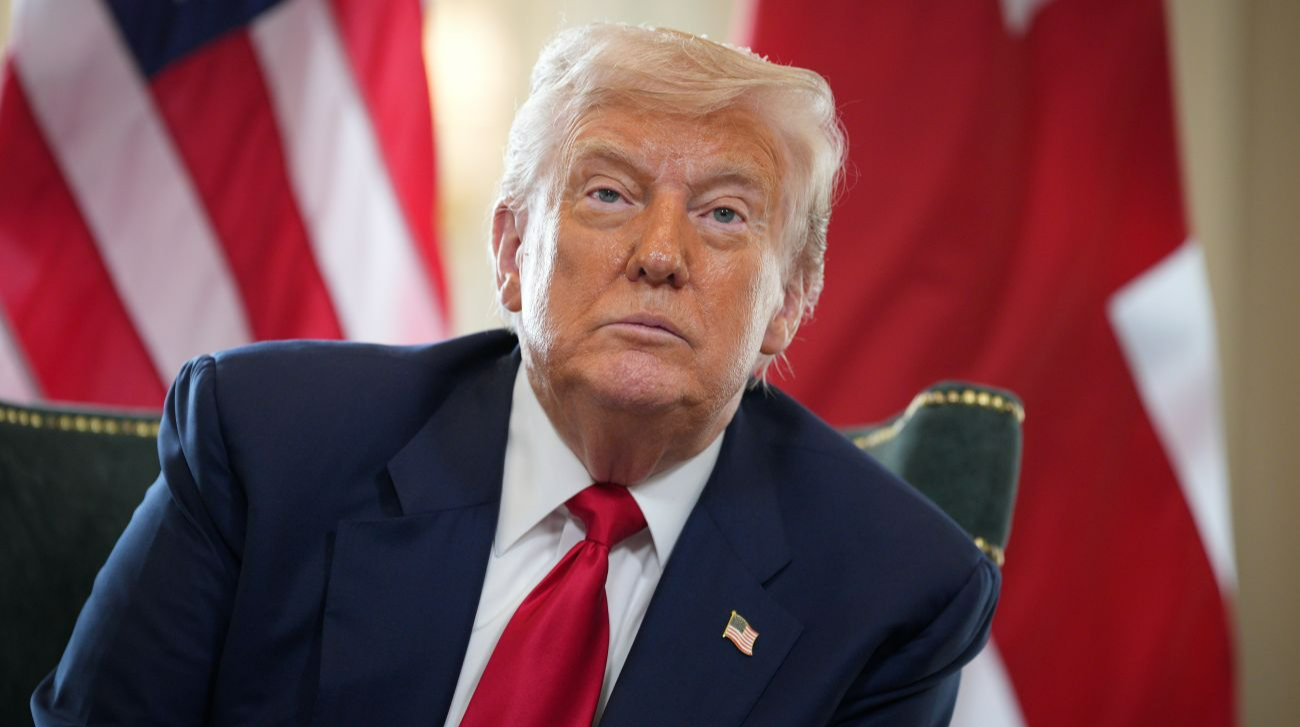
The US envoys have come and gone, and all that is left is a vague promise of peace – plus a bill Washington wants Europe to foot. President Donald Trump's special envoys Steve Witkoff and Jared Kushner travelled to Moscow and Kyiv over the weekend of 5–6 September carrying what Trump called a proposal to "end the war" (Al Jazeera). Both sides described the meetings as "positive", but details of what was actually discussed remain scant.
For European readers, the more pressing development came two days earlier. On 3 September, Trump said the US would demand that Europe repay the billions of dollars in military aid that Washington provided to Ukraine under the Biden administration (Ukrainska Pravda). He has repeatedly complained that those weapons and ammunition were transferred "free of charge" and argues Europe should have covered the cost (Al Jazeera Inside Story).
That demand lands at a delicate moment. European governments have already spent heavily on their own militaries and on Ukrainian aid, and many are facing strained budgets. The idea of now reimbursing Washington – for aid that helped stop a Russian advance most Europeans saw as in their own interest – will be a hard sell in Berlin, Paris and Warsaw alike.
The peace push itself faces equally hard maths. According to Al Jazeera's NewsFeed report, the plan could include security guarantees for Ukraine and an initial ceasefire. But Russia's position has only hardened since Trump returned to power, as an analysis by Al Jazeera's opinion desk makes clear.
Moscow is demanding that Ukraine remain genuinely neutral, with no Western military presence, open or clandestine. It wants to keep the territories it has occupied and insists on further Ukrainian withdrawals from the parts of Donbas still under Kyiv's control. Russia also wants a cap on the size of the Ukrainian army and the types of weapons it may possess, the disbanding of far-right units and paramilitary groups, the cancellation of legislation limiting the use of the Russian language, and elections in which Russia-friendly parties could compete freely. The land swap once discussed as compensation for Ukrainian withdrawals is now off the table, according to the same analysis.
For Ukraine and its European allies, these are non-starters. President Volodymyr Zelenskyy has spent the summer trying to convince European publics and the Trump administration that the "tide is turning" in the war. Ukrainian and Western officials point to a slowing Russian offensive and to Ukraine's deepening strikes on Russian oil facilities, which have caused fuel shortages across Russia. But rather than forcing the Kremlin to compromise, the campaign seems to have done the opposite: Russia's negotiating position is now even less flexible.
Zelenskyy pushed back on that narrative on 6 September, saying both the US and Europe have noted Ukraine's stronger position on the battlefield. He also announced that a meeting between Ukraine, Europe and the US would be scheduled in the near future (Ukrainska Pravda, Ukrainska Pravda).
Trump, for his part, said on 4 September he was confident that Russian President Vladimir Putin does not plan to attack NATO (Ukrainska Pravda). That may reassure European capitals, but it does nothing to resolve the central question: what kind of Ukraine will be left after this war?
Meanwhile, fighting continues. On Friday, a Russian strike hit the headquarters of Ukraine's SBU security service in Kyiv, injuring at least 12 people, according to Mayor Vitali Klitschko (Al Jazeera). The escalation underlines that diplomacy has yet to replace warheads on the ground.
For Europe, the coming weeks will be a test of whether it can shape a peace that is sustainable – and whether it is willing to pay for it twice: once for the US aid already delivered, and once for the security architecture that will have to follow.
Sources
- Will Trump succeed in restarting Russia-Ukraine peace talks? September 7, 2026
- Trump says he will demand money from Europe for Ukraine aid provided under Biden September 3, 2026
- Trump sends envoys to Russia, Ukraine with new peace plan September 5, 2026
- Will Europe pay the US to provide military aid to Ukraine? September 4, 2026
- Witkoff and Kushner will travel to ‘end’ Russia’s war in Ukraine: Trump September 4, 2026
- Trump says his envoys are taking "proposal to end the war" to Moscow and Kyiv September 4, 2026
- Trump confident Putin does not plan to attack NATO September 5, 2026
- Ukraine, Europe and US to hold meeting in near future – Zelenskyy September 6, 2026
- US and Europe note Ukraine's stronger position on battlefield – Zelenskyy September 6, 2026
Part of the dossier
Trump demands Europe repay Ukraine aid →