Trump presses Kyiv to spare Russian diesel refineries, blames personal animosity for stalled talks
US President Donald Trump again asked Ukraine to stop striking Russian diesel refineries, citing global shortages. He described his recent call with Putin as 'great' but blamed stalled talks on personal animosity between Putin and Zelenskyy.
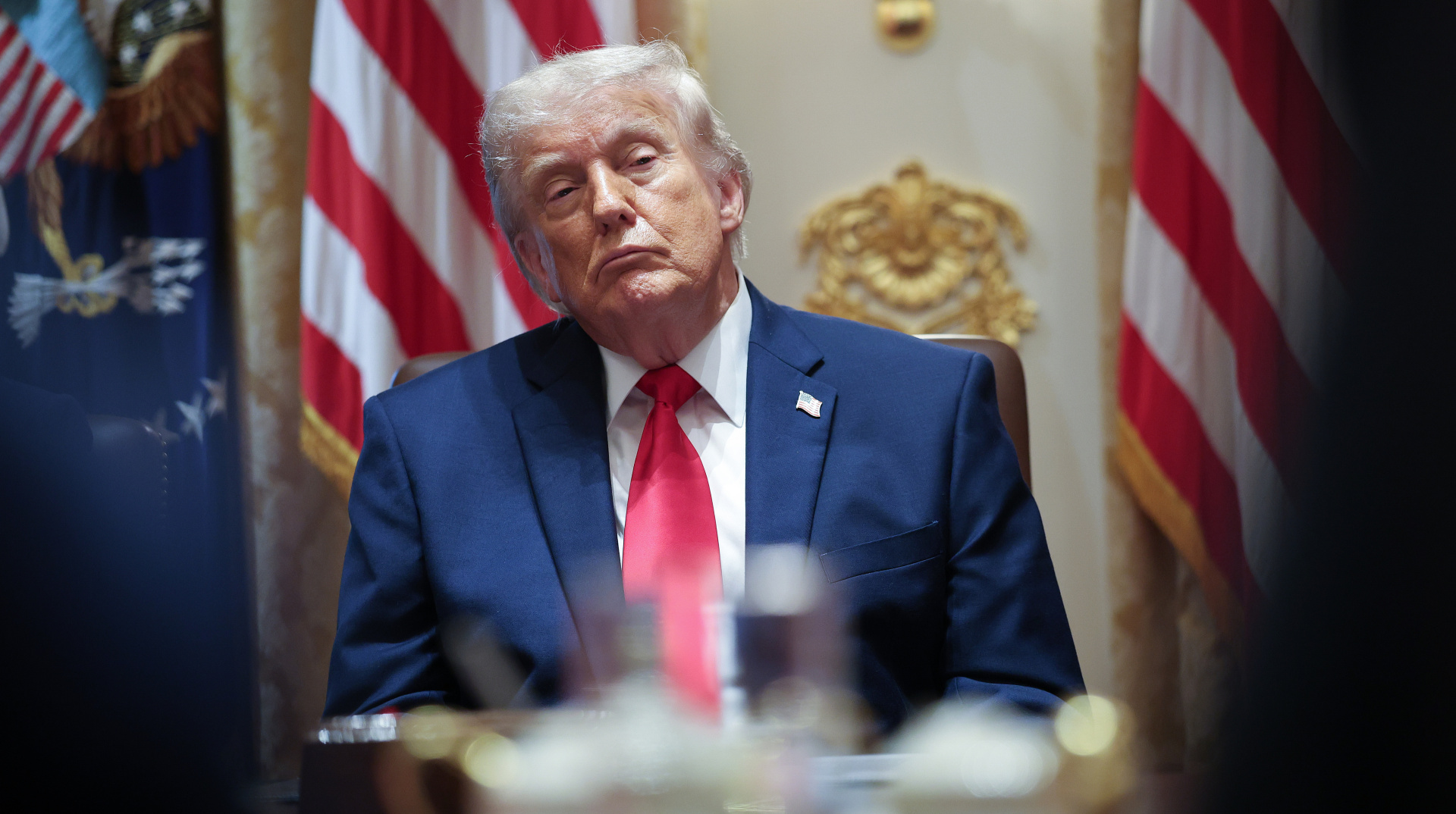
US President Donald Trump has publicly stated he again asked Ukrainian President Volodymyr Zelenskyy to halt strikes on Russian diesel fuel refineries, arguing the attacks contribute to a global fuel shortage. The request, first made weeks ago, was reiterated by Trump on 14 September during remarks to journalists, according to Ukrainska Pravda.
"The problem I have with Ukraine and Russia is that a lot of the diesel oil comes… from Russia. And the Russian plants are being hit by Ukraine. And I've asked President Zelenskyy not to hit the diesel plants, refineries," Trump said.
This is not the first time Trump has made such a plea. In early July, during a public meeting with Zelenskyy, the US president characterised Ukrainian strikes on Russian oil infrastructure as an escalation that could prolong the war. Yet by September, Trump’s framing had shifted to emphasise the economic impact on global markets rather than direct military escalation. The shift suggests the White House is increasingly viewing the energy dimension of the war through a lens of commodity prices, particularly diesel — a fuel critical for transport and agriculture worldwide.
A call Trump calls "great"
Trump’s latest remarks follow his description on 9 September of a conversation with Russian President Vladimir Putin as “great” and his assertion that Putin “wants to make a deal” to end the war, as reported by Ukrainska Pravda. No details of that call have been released by either side. The Kremlin has not confirmed Trump’s characterisation.
A day later, on 10 September, Trump offered a more blunt explanation for why peace talks remain gridlocked: Putin and Zelenskyy “hate each other,” he told reporters. The remark, also carried by Ukrainska Pravda, signals the US president’s growing impatience with the pace of diplomacy.
Strategic implications
Zelenskyy has not publicly responded to Trump’s latest request on the refineries. Ukrainian forces have systematically targeted Russian energy infrastructure throughout 2026, part of a campaign to degrade Moscow’s ability to fuel its war machine. Diesel refineries in particular are a high-value target: Russia is a major exporter of diesel, and any disruption affects both military logistics and state revenues.
Trump’s position — that hitting these plants worsens a global diesel shortage — is disputed by energy analysts, who note that Russia’s refining capacity has been under sanctions pressure since 2022 and that Ukrainian strikes represent a relatively small fraction of global supply disruption. The administration has not published data to support Trump’s claim.
What’s next
The open question remains whether Kyiv will comply. Ukraine has so far shown no sign of relenting on its long-range strike campaign inside Russia, which it considers legitimate self-defence. On the diplomatic front, Trump’s framing of the impasse as driven by personal hatred between the two leaders suggests the White House sees the path to a ceasefire as running through psychology, not policy — a risky bet when Russia continues to occupy roughly a fifth of Ukrainian territory.
For now, the US president is publicly urging restraint on one front while claiming progress on another. Neither claim has been matched by observable change on the ground.
Sources
- Trump calls conversation with Putin "great" and says he thinks Putin wants to make a deal September 9, 2026
- Trump says Ukraine-Russia talks are dragging on because Putin and Zelenskyy "hate each other" September 10, 2026
- Trump again says he has asked Zelenskyy not to strike Russian oil refineries September 14, 2026
Part of the dossier
Trump-Putin call on Ukraine war →