Trump Says Putin Wants a Deal, but Demands and Threats Cloud Path to Peace
Donald Trump claims Vladimir Putin wants a deal to end the war in Ukraine, but recent events show conflicting signals: Putin threatens war if European troops deploy, and Trump urges Zelenskyy to stop strikes on Russian diesel infrastructure, blaming them for a global shortage. The diplomatic push by US envoys faces hurdles as Ukraine's military options may be constrained.
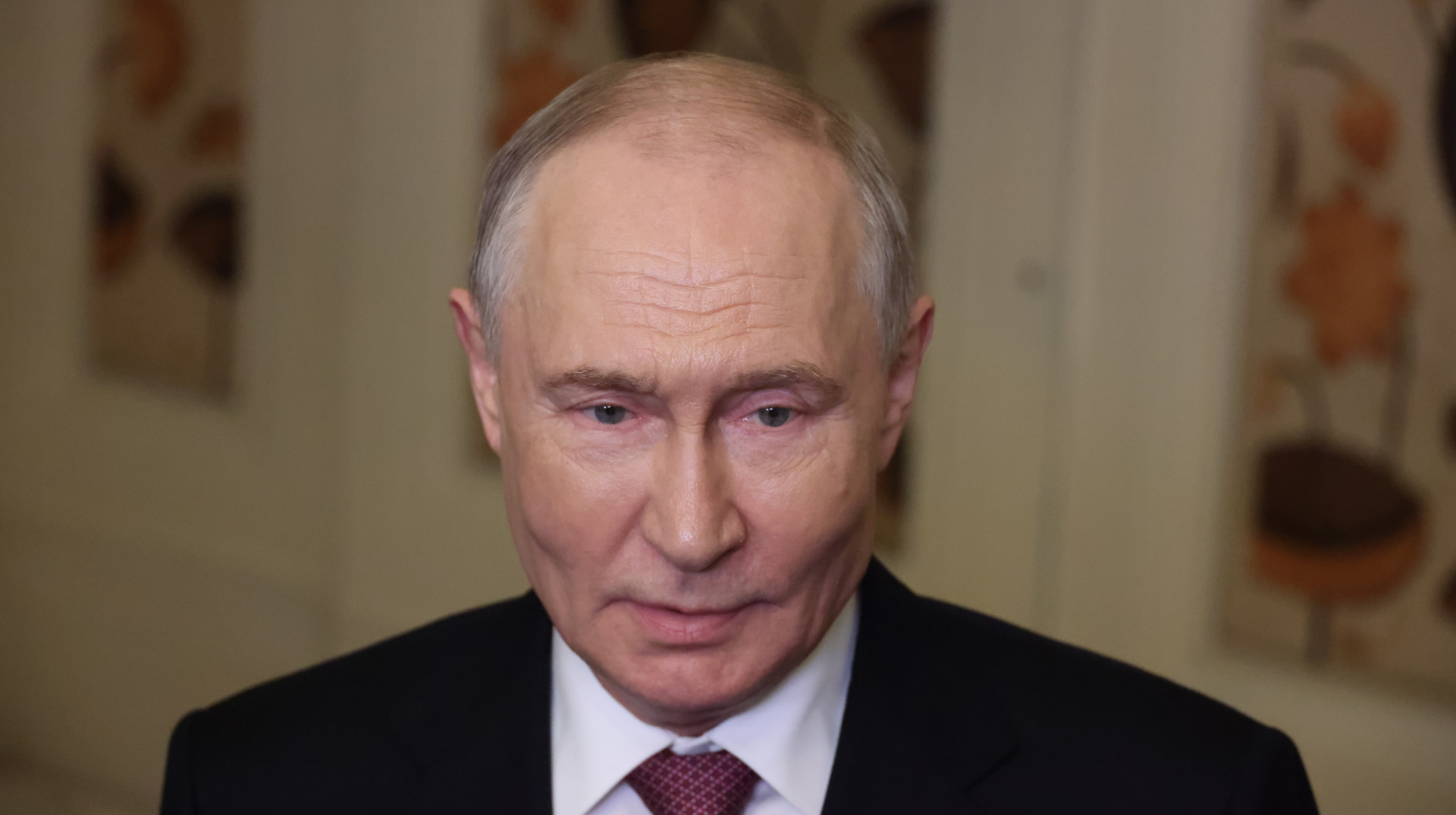
Three days after claiming that Vladimir Putin is ready to make a deal to end the war in Ukraine, Donald Trump publicly urged President Volodymyr Zelenskyy to halt Ukrainian strikes on Russian diesel infrastructure – and Putin himself threatened Europe with war if any European troops set foot in Ukraine.
The mixed signals from Washington and Moscow over the past week highlight the fragility of the latest diplomatic push, led by US envoy Steve Witkoff and Jared Kushner, who shuttled between Moscow and Kyiv with proposals for ending the conflict.
Trump’s ‘great’ conversation
On 9 September, Trump told reporters that he had a “great” conversation with Putin and that the Russian leader “wants to make a deal” to end the war. The statement came shortly after Witkoff and Kushner returned from talks in both capitals. No details of the proposals were released. Source: Al Jazeera
Putin’s threat to Europe
Two days later, on 11 September, Putin publicly warned that any deployment of European troops to Ukraine would be considered a direct threat to Russia and could trigger war with Europe. The warning was widely interpreted as an attempt to deter any NATO or EU-led peacekeeping mission that might be part of a ceasefire deal. Source: Ukrainska Pravda
Trump’s demand to Zelenskyy
Then, on 13 September, Trump turned his attention to Kyiv. In a statement, he said Zelenskyy should immediately stop Ukrainian strikes on Russian diesel infrastructure, blaming those attacks for a global diesel shortage that he claimed was driving up fuel prices worldwide. Source: Ukrainska Pravda
What this means
The sequence of events suggests that Trump is trying to shape the terms of a potential deal even as he publicly touts Putin’s willingness to negotiate. By asking Ukraine to stop hitting Russian diesel depots and refineries – a key part of Kyiv’s campaign to disrupt Russian logistics and reduce Moscow’s energy export revenue – Trump is effectively asking Zelenskyy to give up a major asymmetric military advantage before any formal ceasefire.
Putin’s threat to Europe, meanwhile, signals that Moscow will not accept any international force on Ukrainian soil, even if that force is presented as a peacekeeping or monitoring mission. That position directly contradicts one of the scenarios that European governments have been quietly discussing: a post-ceasefire stabilisation force.
Strategic significance
Ukraine’s strikes on Russian energy infrastructure have been one of its most effective tools for raising the cost of the war for Moscow. Diesel shortages inside Russia have already affected military logistics. A halt to those strikes would ease pressure on the Kremlin and potentially deprive Kyiv of leverage at the negotiating table.
At the same time, the global diesel shortage is a real economic concern. Russia remains a major exporter of diesel, and any disruption to its refining capacity pushes up prices worldwide. Trump’s framing of the issue – blaming Ukraine rather than Russia – suggests that economic stability, not just battlefield dynamics, is driving his intervention.
No imminent deal
Despite Trump’s optimistic language, no ceasefire or peace agreement appears imminent. The Witkoff-Kushner mission has not produced any public framework. Ukraine has not signalled any willingness to stop strikes on Russian energy targets, and European governments are still assessing how to respond to Putin’s threat.
What is clear is that the diplomatic track is now moving in at least two directions: one public, where Trump projects progress, and one private, where the terms being discussed – and the red lines being drawn – remain far apart.
Sources
Part of the dossier
Trump-Putin Ukraine War Deal →