UK hands Storm Shadow blueprints to Ukraine as Russian losses mount and nuclear plant teeters
UK PM Andy Burnham declassifies Storm Shadow missile technology for Ukrainian production. Russia suffers 1,600 daily casualties and faces a 6,000-a-month recruitment gap. Zaporizhzhia nuclear plant runs on emergency diesel with only 10 days' supply.
UK Prime Minister Andy Burnham used his first foreign trip since taking office to announce that London is declassifying secret technology for Storm Shadow/SCALP cruise missiles, allowing Ukraine to establish its own production line with France. The announcement, made in Kyiv on Ukraine’s 35th Independence Day, marks a significant shift from simply supplying finished weapons to enabling domestic manufacturing of one of the war’s most effective long-range systems.
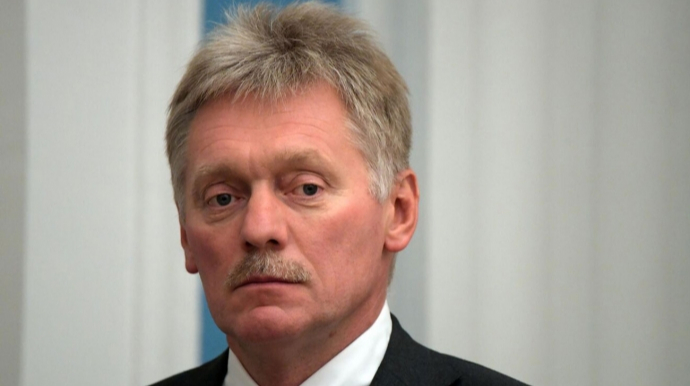
“Who started the fire? That’s the question, isn’t it?” Burnham told reporters when asked about Kremlin accusations that the move was “adding fuel to the flames” (Ukrainska Pravda, 24 August). Moscow had earlier denounced the decision, with spokesman Dmitry Peskov claiming the Russian military is already “carrying out the relevant work” to identify and destroy missile production sites (Ukrainska Pravda, 24 August).
The gesture comes at a time when Ukraine faces acute shortages of air defence interceptors. President Volodymyr Zelenskyy confirmed on 25 August that “some Patriot missiles have arrived” but that “we need more” (Ukrainska Pravda, 25 August). The US has pledged monthly deliveries, but the Trump administration has been reluctant to provide additional Patriot batteries. Meanwhile, the UK’s Storm Shadow technology transfer – combined with French cooperation – could help Ukraine sustain long-range strikes against Russian logistics hubs and command centres.
Russia’s ability to absorb losses is under strain. Western officials estimate Moscow is losing about 6,000 more troops each month than it can recruit, despite sustaining a recruitment rate of roughly 1,000 per day (The Guardian, 28 August). Ukraine’s General Staff reported that on 31 August alone, Russia lost 1,600 soldiers killed or wounded, along with 467 vehicles and fuel tankers (Ukrainska Pravda, 31 August). On the battlefield, 229 combat clashes occurred on 26 August, with the heaviest fighting on the Pokrovsk front (31 attacks) and the Kostiantynivka front (28 attacks) (Ukrainska Pravda, 27 August).
A separate crisis is unfolding at the Zaporizhzhia nuclear power plant. The IAEA reported on 30 August that the plant has been without off-site power for over a week, relying on emergency diesel generators with only a 10-day supply of fuel on site (The Guardian, 30 August). Director General Rafael Grossi stressed that “the availability of diesel fuel is of paramount importance” after the plant lost its regular power supply “following military activity on the northern side of the Dnipro River”. The IAEA is negotiating a local ceasefire to allow repairs.
On the diplomatic front, US Senator Richard Blumenthal urged the House of Representatives to pass the Lindsey O. Graham Sanctioning Russia and Iran Act, calling the situation a “moment of extreme urgency” and arguing that choking off revenue to Moscow’s war machine “could undercut completely his ability to wage this brutal, murderous war” (Ukrainska Pravda, 31 August). The bill passed the Senate 86–11 but faces uncertain prospects in the House.
As part of the Coalition of the Willing meeting on Independence Day, Ukraine secured new military and energy aid packages, with air defence named the top priority (Ukrainska Pravda, 24 August). Zelenskyy also announced the return of 10 soldiers previously listed as missing in action, brought back through Belarus in a special prisoner swap (Ukrainska Pravda, 24 August).
Even as Kyiv celebrates diplomatic gains, Russian strikes continue to exact a grim toll. On 24 August alone, a woman was killed in Kherson Oblast, a 76-year-old died in Shyroka Balka, and nine people were injured in a strike on Izium, including a 13-year-old girl (Ukrainska Pravda, 24 August, Ukrainska Pravda, 24 August). A separate drone attack on Kherson on 25 August killed another man (Ukrainska Pravda, 25 August).
Ukraine’s Special Operations Forces struck back on 7 September, destroying a Russian ammunition depot in Luhansk Oblast (Ukrainska Pravda, 7 September). And on the technological front, Ukraine’s Defence Ministry reported that ground robotic systems have conducted over 100,000 logistics and evacuation missions so far in 2026, with monthly figures rising from 7,511 in January to nearly 20,000 in July (Ukrainska Pravda, 24 August).
The combination of Storm Shadow production technology, new aid packages, and growing domestic drone and robotics capacity gives Ukraine a chance to sustain its defence through what promises to be a difficult autumn. But as the Zaporizhzhia plant crisis shows, the margin for error on both the battlefield and the energy front remains dangerously thin.
Sources
- Kremlin denounces UK decision to hand over secret missile technology to Ukraine August 24, 2026
- Ukraine brings back 10 defenders previously listed as missing in action, Zelenskyy says – photos August 24, 2026
- European Council president: Kyiv has helped build a truly geopolitical EU, and it is willing to welcome Ukraine August 24, 2026
- Russia not willing to accept ceasefire on grain ships – Zelenskyy August 24, 2026
- Ukrainian troops post video of rare Russian Starlink alternative being destroyed by drones August 24, 2026
- Zelenskyy sums up Coalition of the Willing meeting in Kyiv: aid packages and air defence listed as priorities August 24, 2026
- Woman, 76, killed and eight people injured, including child, in Russian attacks on Kherson Oblast August 24, 2026
- Is UK's Storm Shadow missile a game changer for Ukraine? August 24, 2026
- Ukraine asks for next Coalition of the Willing meeting to be held in September – Zelenskyy August 24, 2026
- Burnham’s visit to Kyiv marks a renewal of badly needed support for Ukraine August 24, 2026
- ‘Fix that little spot’: Danish PM receives beauty tips even when in a war zone August 24, 2026
- UK PM responds to Kremlin accusations over transfer of technology to Ukraine – The Guardian August 24, 2026
- Russians attack Nikopol district in Dnipropetrovsk Oblast: five injured August 24, 2026
- One killed and several injured in Russian strike on Pavlohrad August 24, 2026
- One killed and nine injured, including child, in Russian attack on Izium – photos, video August 24, 2026
- Ukrainian forces have carried out over 100,000 ground drone missions so far in 2026 August 24, 2026
- Podcast De Dag: (ondergronds) opereren aan het Oekraïense front August 24, 2026
- Ground robotic systems parade along Kyiv's main street: modern Ukrainian weapons showcased August 24, 2026
- Georgian PM congratulates Ukraine on Independence Day, wishes it peace August 24, 2026
- Italy announces new aid package for Ukraine August 24, 2026
- Seven people, including teenager, injured in Russian airstrikes on Sloviansk August 24, 2026
- Burnham hands secret missile technology to Ukraine – The Latest August 24, 2026
- Man killed in Russian drone attack on Kherson August 25, 2026
- Ukraine has received missiles for Patriot systems but needs more, Zelenskyy says August 25, 2026
- Russia loses 1,450 soldiers and 74 artillery systems over past day August 26, 2026
- Ukraine urges US orchestra to cancel performance by Kremlin-supporting violinist August 25, 2026
- Russia loses 1,400 soldiers over past day August 27, 2026
- Battlefield sees 229 clashes over past day, 31 of them on Pokrovsk front – Ukraine's General Staff August 27, 2026
- Russia ‘losing 6,000 more troops in Ukraine each month than it can recruit’ August 28, 2026
- Operation Forrest Gump: anti-corruption agencies serve businessman Vasyl Astion with notice of suspicion August 28, 2026
- Ukraine war briefing: Nuclear plant has lost power and running on generators, UN watchdog says August 30, 2026
- Russia loses 1,600 soldiers over past day August 31, 2026
- "It is a moment of extreme urgency": US senator urges House to approve Russia sanctions bill August 30, 2026
- Ukraine's Special Operations Forces destroy Russian ammunition depot in Luhansk Oblast – video September 7, 2026
Part of the dossier
War in Ukraine →