Ukraine closes in on mass production of interceptors for jet-powered Shaheds
Ukraine has field-tested four interceptor drones for jet-powered Shaheds and reported a fresh successful test on 15 September. Defence Minister Khmara says the next step is scaling production to thousands, as Russia's use of these drones jumps by at least 67% in a month.
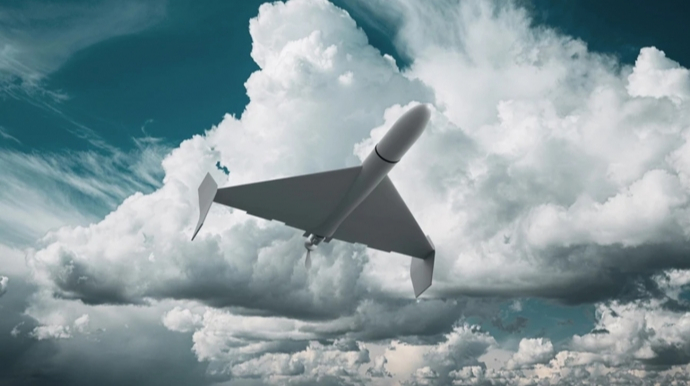
Ukraine has moved a step closer to fielding its own counter-drone force against Russia's growing fleet of jet-powered Shaheds, with four interceptor prototypes already field-tested and a fresh successful test announced this week. The push comes as Moscow sharply increases its use of the faster, harder-to-hit drones, making a cheap, homegrown answer an urgent priority for Kyiv.
Defence Minister Yevhenii Khmara told journalists in late August that Ukrainian engineers and the military have been searching for effective countermeasures against Russian jet-powered drones. "We already have four potential interceptors that can shoot down jet-powered Shaheds. Field testing has been conducted on them," Khmara said, as reported by Interfax-Ukraine via Ukrainska Pravda. He said the next task is to bring the solutions to the required level "as quickly as possible" and scale production to thousands of units.
President Volodymyr Zelenskyy signalled progress on 15 September. In a post on X, he said Commander-in-Chief Mykhailo Drapatyi reported on "a new step by our manufacturers – another interceptor against Russian jet-powered drones has been successfully tested." According to Zelenskyy, the interceptor hit a Shahed, though some aspects of its control still require further work. "The work continues – it will take some more time," he wrote, thanking the developers, as Ukrainska Pravda reported.
The urgency of this programme is difficult to overstate. Russia's use of jet-powered Shaheds has increased by at least 67% over the past month, from roughly 1,500 to more than 2,500, according to figures cited by Ukrainska Pravda in Khmara's briefing. These jets are faster and fly differently than the older propeller-driven models, making them more challenging for traditional air defence and for the small FPV interceptors Ukraine has fielded earlier in the war.
The threat is not abstract. On the night of 2-3 September, a Russian drone attack on Kyiv wounded four people, including a 12-year-old child, as reported by Ukrainska Pravda. Days later, investigators suggested that a Shahed that struck a Security Service building may have been guided by a repeater located within 5 kilometres of the target, according to Ukrainska Pravda's reporting – a reminder that Russia keeps adapting its tactics, not just its hardware.
Ukraine's answer is not limited to interceptor drones. Domestic companies are also developing electronic warfare and other counter-UAV systems, including the Brama stationary EW and SIGINT system from Rebel Group, designed to detect and jam FPV drones, as the company's press service explained to Ukrainska Pravda. Ukrainian developers have also claimed progress on technology to shoot down Russian Banderol missile drones, per Ukrainska Pravda. This multi-layered approach suggests Kyiv is trying to build resilience against the full spectrum of Russian unmanned systems rather than chasing a single fix.
There may be a window of opportunity. Vadym Skibitskyi, Deputy Head of Defence Intelligence of Ukraine, recently said Russia is experiencing problems with jet engines for its drones, Zelenskyy's statement noted. If Moscow's supply chain is faltering, getting Ukrainian interceptors into serial production now could help Kyiv weather the winter campaign with fewer scarce surface-to-air missiles spent on targets that a comparatively cheap drone could catch instead.
The path from field test to mass production is never simple. Zelenskyy's own wording – that control still needs work – underscores that. But with four prototypes already tested and a fifth showing promise, Ukraine is no longer asking whether it can build an interceptor for jet-powered Shaheds. It is asking how fast it can build thousands of them.
Sources
- Ukraine has developed four prospective interceptors for jet-powered Shahed drones August 30, 2026
- Ukraine develops stationary EW and SIGINT system for detecting and jamming FPV drones August 30, 2026
- Four injured, including 12-year-old child, in Russian drone attack on Kyiv September 3, 2026
- Shahed drone that struck Security Service building may have been guided via repeater within 5 km September 4, 2026
- Ukraine develops technology to shoot down Russian Banderol missile drones September 7, 2026
- Ukraine successfully tests another interceptor for jet-powered Shahed drones – Zelenskyy September 15, 2026
Part of the dossier
Ukraine's Drone Interceptor Development →