Ukraine gears for October peace talks as EU backs US shuttle diplomacy with frozen assets plan
Ukraine is preparing for a new round of peace talks in October following a three-day ceasefire that allowed US envoys to shuttle between Moscow and Kyiv. The EU has backed the process with representatives in Kyiv and a new proposal to transfer frozen Russian assets to Ukraine, potentially giving Europe leverage in the negotiations.
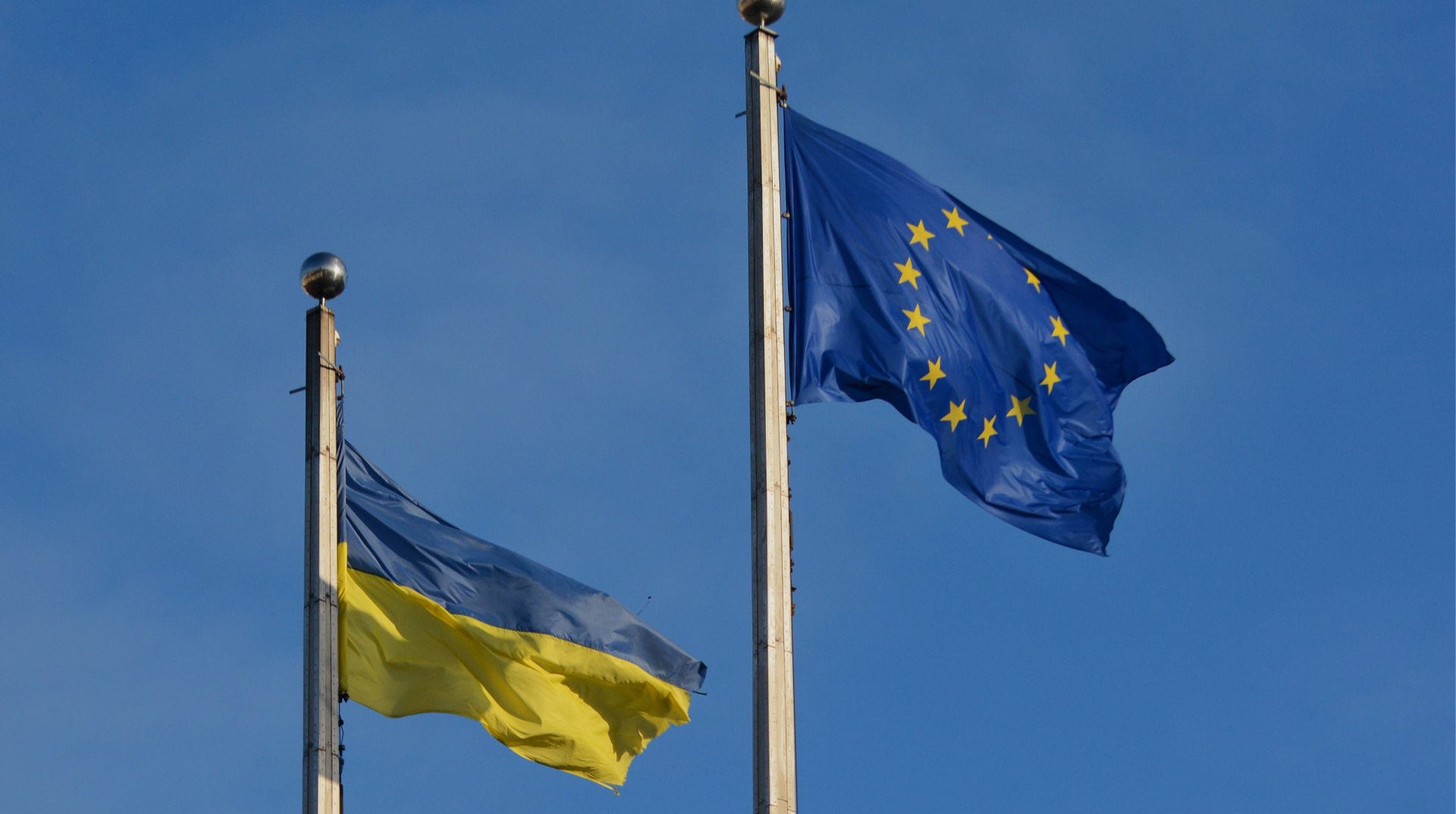
Kyiv is preparing for a new round of peace talks in October, Ukrainian officials confirmed on 12 September, marking the first concrete timeline since US envoys Steve Witkoff and Jared Kushner shuttled between Moscow and Kyiv earlier this month under a rare three-day ceasefire.
The announcement, reported by Ukrainska Pravda on 12 September source, suggests that the Trump administration’s latest diplomatic push – which included a three-hour Kremlin meeting with Vladimir Putin on 5 September – has at least kept the negotiating track alive. Neither side has publicly disclosed the content of the proposal Trump described as “a proposal to end the war” source.
Ceasefire holds – for now
Both Moscow and Kyiv announced a three-day ceasefire covering 6–8 September to allow the US envoys to travel from Moscow to Kyiv source. The halt in fighting, while limited, was the first agreed pause in months and allowed Witkoff and Kushner to meet Ukrainian President Volodymyr Zelenskyy and his team on 6 September. EU representatives were also present in Kyiv during the talks, underscoring the bloc’s effort to stay in lockstep with Washington source.
Kremlin aide Yuri Ushakov described the Moscow meeting as “highly useful” and lasting more than three hours, according to Reuters. Putin told the envoys the situation was “not an easy one”, but the Russian leader has so far shown no willingness to compromise on his core demands: Ukraine’s non-membership of NATO and the cession of four partially occupied regions source.
EU walks a tightrope
The European Union has publicly backed the US-led initiative. On 4 September, the EU stated it was in “constant contact” with the US on peace efforts source. But EU Defence Commissioner (name not specified in sources) struck an ironic tone on 6 September, welcoming Putin’s stated desire to “eliminate the root causes of the war” – a phrase Moscow uses to justify its invasion – while questioning whether Russia is serious about a negotiated settlement source.
More concretely, the Parliamentary Assembly of the Council of Europe (PACE) on 9 September proposed a mechanism to transfer frozen Russian state assets to Ukraine source. While the proposal is non-binding, it adds legal and political pressure on EU member states to unlock the roughly €200 billion in Russian central bank reserves currently immobilised in European clearing houses. Kyiv has long argued that using these funds for reconstruction – or as a bargaining chip in peace talks – could change the dynamic.
What the October talks might look like
Ukrainian officials have not specified the format or venue for the October round, but the presence of EU representatives in Kyiv alongside the US envoys suggests a broader international framework is taking shape. The key question remains whether Russia will attend and, if so, on what terms.
Moscow has insisted that any settlement must recognise its annexation of four Ukrainian regions – Donetsk, Luhansk, Zaporizhzhia and Kherson – even though Russian forces do not fully control any of them. Ukraine and its Western allies reject that premise. The Trump administration has not publicly endorsed Russia’s maximalist demands, but the fact that Witkoff and Kushner met Putin for three hours signals a shift from the Biden-era policy of isolating the Kremlin.
Strategic significance
For European readers, the significance of the October talks lies in the EU’s dual role: as a diplomatic co-sponsor of the peace push and as the custodian of the frozen Russian assets that could become a powerful lever. If the talks fail, the EU may accelerate the transfer of those funds to Ukraine, as PACE has proposed. If they succeed, the assets could be used as a guarantee for a ceasefire or reconstruction.
The three-day ceasefire, while limited, demonstrated that both sides can still agree to tactical pauses when it serves their interests. Whether that can be scaled up to a lasting truce – and whether the EU’s financial leverage can force Russia to negotiate in good faith – will be tested in October.
Sources
- US envoys meet Putin: What’s behind latest diplomacy on Russia-Ukraine war? September 6, 2026
- EU says it is in constant contact with US on peace efforts regarding Ukraine September 4, 2026
- US envoys Witkoff, Kushner meet Putin for talks on Ukraine war September 5, 2026
- Witkoff and Kushner arrive in Ukraine for first time to discuss peace September 6, 2026
- US orchestra ends cooperation with Russian violinist Vadim Repin after Ukrainian Embassy urging September 6, 2026
- EU representatives also in Kyiv alongside Trump envoys September 6, 2026
- EU defence commissioner ironically welcomes Putin's desire to "eliminate root causes of war" September 6, 2026
- PACE proposes way to hand frozen Russian funds to Ukraine September 9, 2026
- Ukraine preparing for new round of peace talks in October September 12, 2026
Part of the dossier
EU-US Peace Efforts for Ukraine →