Ukraine’s refinery campaign deepens Russia’s fuel crisis: queues in Moscow, diesel exports banned, aviation fuel bought abroad
Ukrainian strikes on Russian oil refineries since early August have cut petrol production by a third, causing fuel queues in Moscow and forcing Russia to extend a diesel export ban and buy aviation fuel from abroad. The campaign is squeezing global diesel markets and aims to weaken public support for the war.
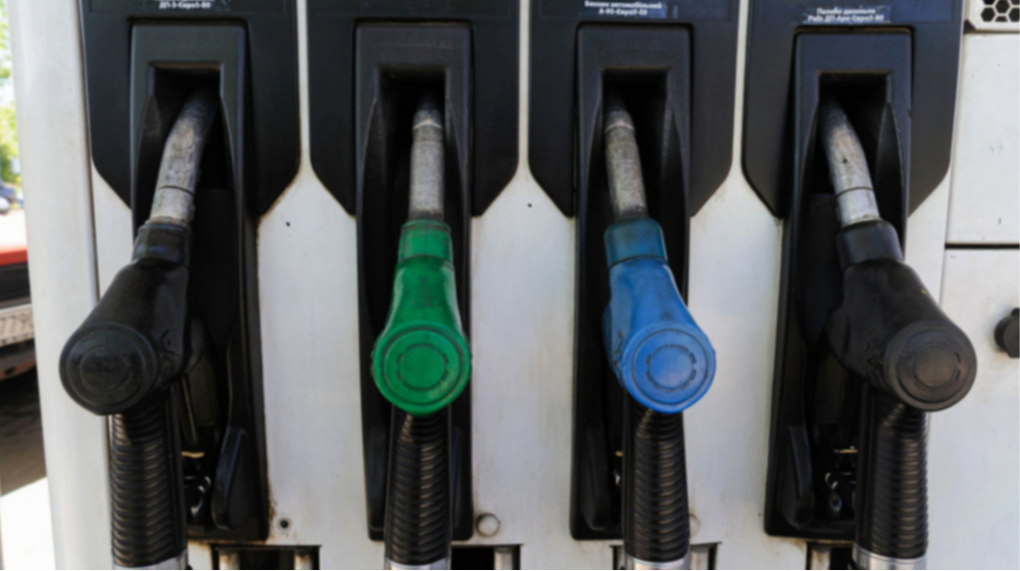
Ukrainian forces have struck Russian oil refineries at least 21 times since the beginning of August 2026, a campaign that has cut Russia’s petrol production by a third and forced the Kremlin to extend a diesel export ban while scrambling to buy aviation fuel from South Korea and Egypt, according to Ukrainian intelligence and independent reports.
The scale of the disruption is unprecedented since the start of the full-scale war. By the end of August, Russia’s daily petrol output had fallen to around 80,000 tonnes – 70% of summer consumption levels – leaving the market short of every third litre, the independent outlet The Moscow Times reported. Major refineries including Permnefteorgsintez, NORSI and Yaroslavnefteorgsintez shut down after drone strikes, widening the gap between production and demand to roughly 35,000 tonnes per day.
Fuel shortages have spread to Moscow, where queues of 30–50 cars at petrol stations have become routine, Bloomberg reported. Sales restrictions are in place in dozens of regions from the Baltic coast to Siberia. At independent stations, petrol costs around 100 roubles (approximately US$1.20) per litre, while major oil companies with their own refineries keep prices below 80 roubles.
On 30 August, Ukraine’s defence forces struck the Kirishi oil refinery in Leningrad Oblast – Russia’s second-largest by capacity, with an annual processing capacity of around 20 million tonnes – and the Yeysk airfield in Krasnodar Krai, the General Staff reported. Fires broke out at both sites. The Special Operations Forces said the operation was carried out together with the Security Service of Ukraine, the Unmanned Systems Forces and Defence Intelligence of Ukraine (DIU). A facility for storing, preparing and launching attack drones was also struck in Millerovo, Rostov Oblast.
On 7 September, an oil depot in Sochi caught fire after another attack, according to Ukrainska Pravda.
The campaign has forced Russia to extend its ban on diesel exports until 30 September, Bloomberg reported. Before the escalation, Russia accounted for around 10% of global diesel supplies. The extension is squeezing global markets already strained by the war in the Middle East: US diesel inventories have fallen to their lowest seasonal level on record, and Europe has begun importing diesel from Mexico for the first time in seven years.
Ukraine’s Defence Intelligence revealed on 29 August that Russia has been forced to purchase aviation fuel from abroad after domestic kerosene production declined following the strikes. DIU said Russia bought at least 70,000 tonnes of Jet A-1 kerosene from South Korea and Egypt, delivered by three shadow fleet tankers to ports in St Petersburg and Vladivostok. The fuel is fully compatible with Russian combat aircraft including MiG-29, Su-34, Su-35S, Su-30SM, Su-57, Su-24M and Tu-95MS, as well as Geran-4 and Geran-5 jet-powered attack drones, DIU stated.
“Russia has temporarily banned exports of aviation fuel and purchased a batch of Jet A-1 kerosene,” DIU said. Documentary evidence shows Russian forces using the imported fuel in Il-76MD-90A military transport aircraft, for which the manufacturer recommends Russian TS-1 fuel.
Kyiv’s strategy is clear: by shifting the consequences of the war onto Russian territory, Ukraine aims to weaken public support for the war and reduce revenues from hydrocarbon exports, Bloomberg noted. The autumn peak in fuel demand could coincide with scheduled maintenance at major Russian refineries and one of Belarus’s two refineries, which have been actively supplying Russia.
Even accounting for imports and the export ban, the Russian market is receiving around 97,000 tonnes of petrol per day – 85% of demand, according to The Moscow Times. Whether that shortfall widens as winter approaches will depend on how quickly Russia can repair its damaged refineries and whether Ukraine sustains the tempo of strikes.
Sources
- Russia's fuel shortage spreads to Moscow as queues return to petrol stations – Bloomberg August 28, 2026
- Russia turns to foreign aviation fuel supplies amid falling domestic production – Ukraine's Defence Intelligence August 29, 2026
- Russia short of a third of its petrol following refinery strikes August 29, 2026
- Russia extends diesel export ban after record strikes on oil refineries August 29, 2026
- Ukrainian General Staff reports strikes on Kirishi oil refinery and Yeysk airfield in Russia August 30, 2026
- Oil depot in Russia's Sochi catches fire after attack again – videos September 7, 2026
Part of the dossier
Ukrainian Attacks on Russian Energy Infrastructure →