Ukraine Strikes Moscow's Main Fuel Supplier and Yaroslavl Refinery in Coordinated Drone Campaign
Ukrainian drone attacks hit the Moscow oil refinery (supplying 40% of the capital's fuel) and the Yaroslavl refinery (Yanos) within four days, knocking out key distillation units. The strikes disrupt fuel supplies for Russia's military and civilian economy, part of a sustained campaign to degrade Russian refining capacity.
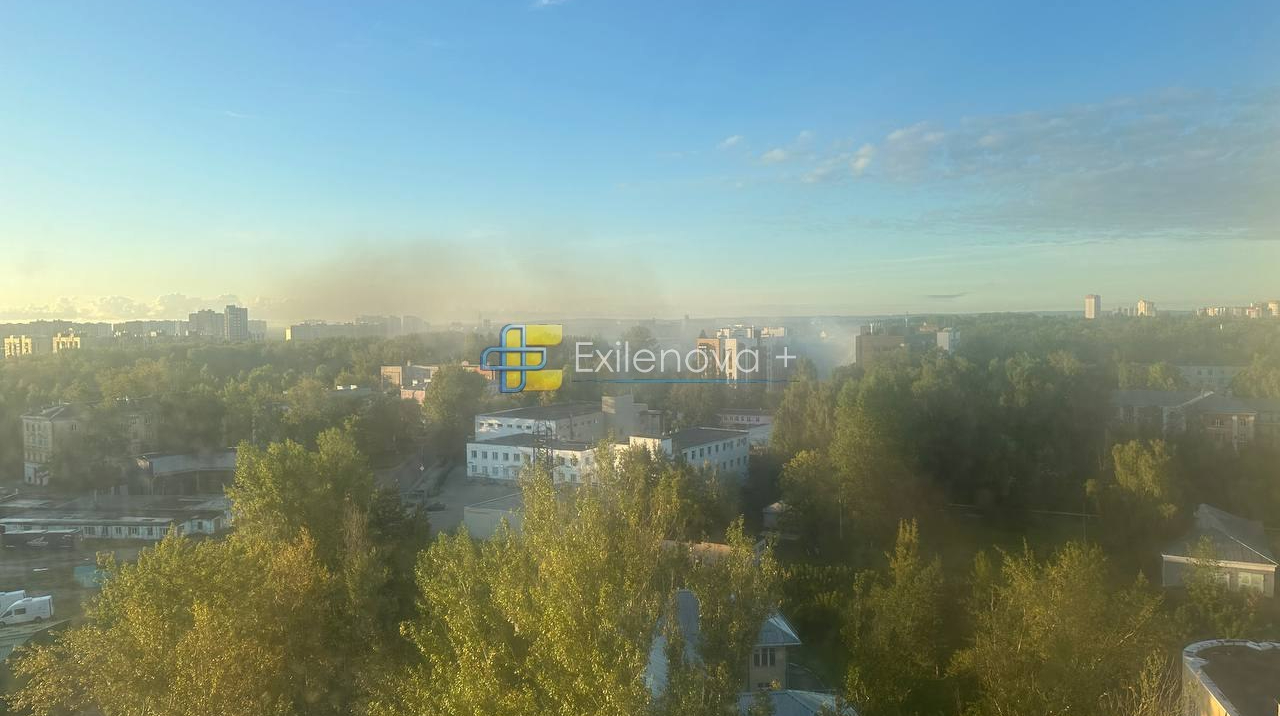
Ukrainian drone strikes have knocked out two of Russia’s most critical oil refineries within four days, directly threatening fuel supplies for Moscow’s civilian economy and its war machine. On the night of 19–20 September, a large-scale drone attack hit the Moscow oil refinery in the Kapotnya district, setting the ELOU-AVT-6 crude distillation unit ablaze. Two days earlier, on 17 September, the Slavneft-Yaroslavnefteorgsintez (Yanos) refinery in Yaroslavl Oblast halted crude processing after its AVT-3 unit was damaged by a drone strike.
The Moscow refinery, one of Russia’s largest, supplies about 40% of the capital’s fuel market and 70% of the Moscow region’s demand for petrol and aviation gas, according to ASTRA. The AVT-6 unit, which was hit, is a primary oil-refining unit. Videos and photos circulating on Telegram channels, reported by the monitoring channel Exilenova+, showed a major fire at the facility. Moscow Mayor Sergei Sobyanin claimed that Russian air defence forces had destroyed “151 drones” overnight and that emergency services were working at debris fall sites, but he did not confirm the refinery strike (Ukrainska Pravda).
The Yaroslavl refinery, located about 250 km north-east of Moscow, suffered a similar blow on 17 September. The attack damaged the AVT-3 unit, which has a capacity of 17,140 tonnes per day – roughly 40% of the plant’s total refining capacity. According to Reuters, citing four industry sources, the refinery halted crude oil processing after the strike. Market participants said fuel produced by the plant was no longer being offered on the domestic commodity exchange. The refinery is owned by Slavneft, jointly controlled by Rosneft and Gazprom Neft, and processed 14.9 million tonnes of crude oil in 2024.
These two attacks are part of a sustained Ukrainian campaign to degrade Russia’s fuel infrastructure. The Yaroslavl refinery had already lost its AVT-4 unit in an earlier drone attack on 28 August, which also prompted the closure of the M8 motorway and air defence responses across Moscow and Yaroslavl oblasts, as reported by Yaroslavl Oblast Governor Mikhail Yevrayev and Moscow Mayor Sobyanin (Ukrainska Pravda). That earlier strike forced the refinery to operate at reduced capacity; the latest hit on AVT-3 effectively halts crude processing entirely.
The cumulative disruption matters strategically. The Moscow refinery alone produces a significant share of the fuel that powers both civilian transport and military logistics in the capital region. The Yaroslavl refinery is a major supplier of petrol, diesel and fuel oil to central Russia. By targeting primary distillation units – which are complex and time-consuming to repair – Ukraine is aiming to create long-term bottlenecks in Russia’s fuel supply chain.
Ukrainian President Volodymyr Zelenskyy released footage on 17 September showing drones striking a refinery and an air base in Rostov, underscoring Kyiv’s ability to hit deep inside Russian territory. The attacks have not been officially claimed by Ukraine’s military, but the pattern of targeting refineries suggests a deliberate strategy to raise the cost of the war for Moscow and limit its ability to sustain armoured and aviation operations.
For Russian civilians, the consequences are immediate. Fuel prices on the domestic exchange have already reacted, and further shortages could affect everything from heating oil to gasoline ahead of winter. The Kremlin has so far downplayed the damage, but the scale of the strikes – and the fact that both refineries are in heavily defended regions near Moscow – signals that Ukraine’s drone campaign is becoming more precise and persistent.
Sources
- Drones attack Moscow and Yaroslavl Oblast: motorway closed to traffic, smoke seen near Moscow – video August 28, 2026
- Drones attack fuel oil terminal in Novorossiysk, sparking fire September 9, 2026
- Drones attack chemical plant in Russia's Perm Krai – video September 11, 2026
- Drones attack Tolyatti and Taganrog in Russia, sparking fires at industrial sites – photos, videos September 12, 2026
- Yaroslavl oil refinery halts crude processing after drone attack – Reuters September 17, 2026
- Drones attack Moscow and oblast: fires reported at warehouses and oil refinery September 20, 2026
- Moscow oil refinery supplying 40% of city's fuel catches fire after drone attack September 20, 2026
Part of the dossier
Drone Attack on Moscow and Yaroslavl Oblast →