Ukraine Strikes Russian Boat, EW System and Air Defence Near Sochi Amid Reports of Ceasefire Order
Ukraine struck a Russian BK-16 boat, an electronic warfare system, and an air defence unit near Sochi on 3-4 September. Simultaneously, sources reported Ukrainian forces were ordered to observe a temporary ceasefire on the line of contact, creating a potential strategic contradiction.
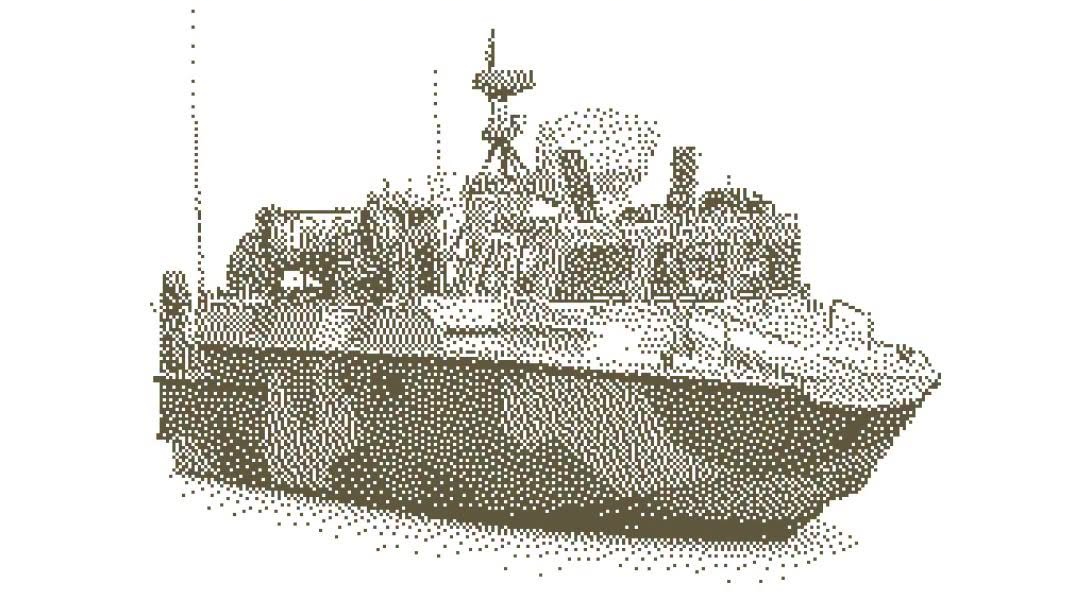
Ukraine’s defence forces carried out a series of targeted strikes against Russian military assets on 3–4 September 2026, hitting a BK-16 patrol boat, an electronic warfare system, and a Russian air defence unit near the Black Sea city of Sochi. The operations came as sources reported that Ukrainian forces had been ordered to observe a temporary ceasefire on the line of contact, raising questions about the coherence of Kyiv’s battlefield strategy.
On 3 September, Ukrainian forces struck a Russian BK-16 boat and an electronic warfare system, according to a report from Ukrainska Pravda. The BK-16 is a high-speed assault boat used by the Russian Black Sea Fleet for troop transport and coastal raids. The electronic warfare system, whose exact type was not specified, is designed to jam Ukrainian communications and drone control signals. The strikes underscore Ukraine’s continued ability to reach Russian naval and electronic assets despite Moscow’s air-defence efforts.
The following day, 4 September, Ukraine’s defence forces struck a Russian air defence unit near Sochi. Video evidence of the strike was published, as reported by Ukrainska Pravda. Sochi is a key logistics hub for the Russian military’s southern flank and hosts air defence systems protecting the Black Sea coastline. The target was likely a surface-to-air missile battery or radar station, though Ukrainian officials have not released specific details. The strike near Sochi suggests Ukraine is willing to extend operations deep into Russian territory, beyond the immediate front lines in eastern and southern Ukraine.
However, a contradictory development emerged on the same day. Sources cited by Ukrainska Pravda reported that Ukraine’s defence forces were ordered to observe a temporary ceasefire on the line of contact. The order’s purpose and duration remain unclear, and it is not known whether it applied to all units or only those on the front line. The timing – simultaneous with offensive strikes well behind Russian lines – suggests a possible division of effort: a tactical pause on the ground to allow for negotiations, prisoner exchanges, or humanitarian corridors, while long-range precision strikes continued to degrade Russian capabilities.
Open questions remain. Why would Kyiv order a ceasefire on the line of contact while simultaneously striking Russian assets hundreds of kilometres away? One possibility is that the ceasefire is localised or temporary, intended to create a window for a specific diplomatic or logistical operation. Another is that the order was misinterpreted or selectively applied. Ukrainian authorities have not officially commented on the ceasefire report.
Strategically, the strikes near Sochi are significant because they demonstrate Ukraine’s capacity to threaten Russian military infrastructure in the Krasnodar region, which has largely been spared from direct attack. The Black Sea Fleet has already been forced to relocate many assets from occupied Crimea to Novorossiysk and other ports further east. Hitting an air defence unit near Sochi puts additional pressure on Russia’s ability to protect its southern coastline and logistics routes.
The dual narrative of offensive strikes and a ceasefire order reflects the complex reality of a war where military operations and diplomacy often run in parallel. For European readers following the conflict, the key takeaway is that Ukraine remains capable of striking deep into Russian territory, even as battlefield conditions on the front line may be shifting toward a temporary pause.
As of 5 September, no official confirmation of the ceasefire order has been issued by the Ukrainian General Staff or the Ministry of Defence. The strikes on 3–4 September have not been publicly claimed by Ukraine’s military in detail, though the videos released suggest official or semi-official endorsement.
Sources
- Ukraine's defence forces strike Russian BK-16 boat and electronic warfare system September 3, 2026
- Ukraine's defence forces strike Russian air defence unit near Sochi – videos September 4, 2026
- Ukraine's defence forces ordered to observe temporary ceasefire on line of contact – sources September 4, 2026
Part of the dossier
Ukraine Strikes Russian Military Assets →