Ukraine makes tactical gains in Kharkiv as fighting intensifies on eastern fronts
Ukrainian forces liberated 7.5 sq km in Kharkiv Oblast while repelling 60 Russian attacks on the Pokrovsk and Kostiantynivka fronts. Meanwhile, a Polish poll shows 52% oppose accepting Ukrainian refugees, signalling a shift in one of Kyiv's key allied nations.
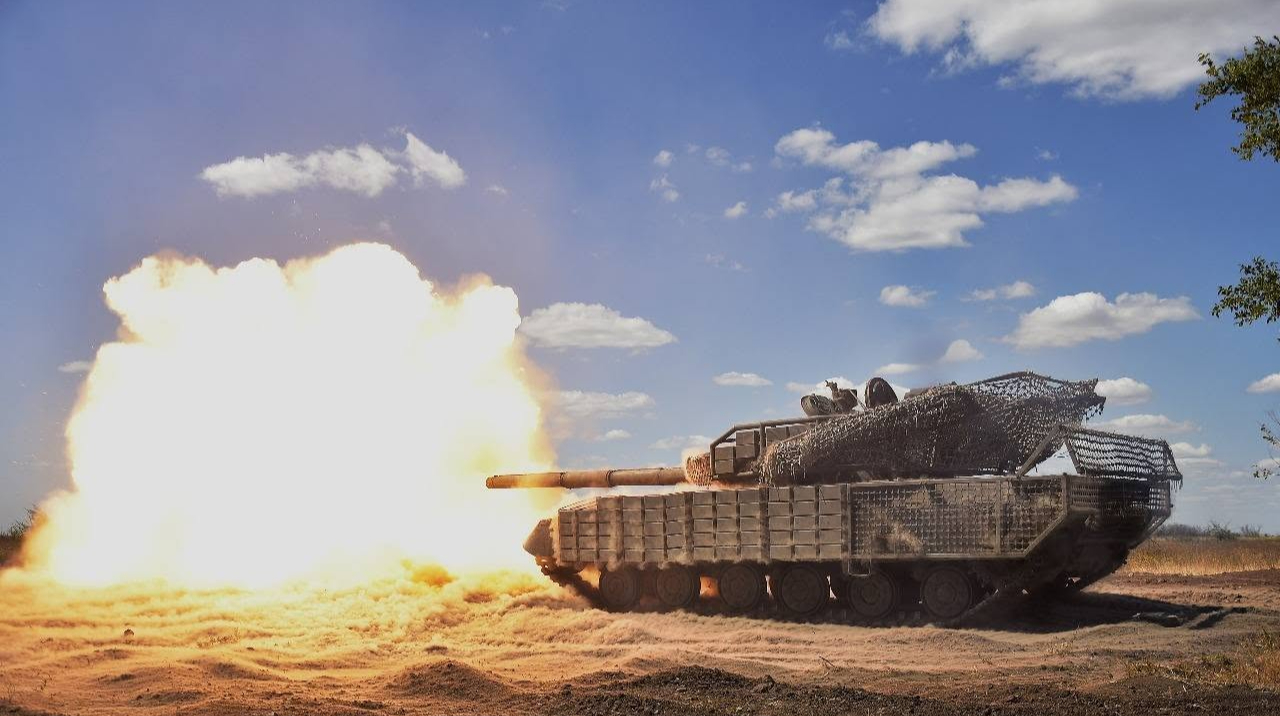
Ukrainian forces have liberated more than 7.5 square kilometres in Kharkiv Oblast over the past 48 hours, the Khartiia corps and military analysts from DeepState confirmed on 25 August. The operation, conducted by a reconnaissance and sabotage group of Khartiia's R.U.H. unit, cleared a forested area southwest of Dvorichna and seized the northern part of the settlement of Zapadne.
"Step by step. Position by position. We're liberating Ukrainian land from the enemy," Khartiia said in a statement. The gains are modest in territorial terms — roughly the size of a small town — but strategically important because they extend Ukrainian control in the Kupiansk district, a sector where Russian forces have been trying to regain momentum since their failed offensive earlier this year Source: Ukrainska Pravda, 25 August.
The localised advance comes as the broader front line sees its highest tempo of combat in weeks. On 26 August, the General Staff of Ukraine reported 203 combat clashes across all sectors. The heaviest fighting is concentrated on two axes: the Kostiantynivka front, where Ukrainian defenders repelled 24 Russian attacks, and the Pokrovsk front, where 36 assaults were stopped. Russian forces also conducted three airstrikes using 12 guided bombs and 77 artillery and rocket strikes on Ukrainian positions Source: Ukrainska Pravda, 26 August.
Pokrovsk has been a persistent pressure point for months. The town sits on a critical supply route linking Ukrainian forces in the Donetsk region. If Russian forces were to break through, they could threaten the logistical backbone of Ukraine's eastern defensive line. The fact that Ukrainian units are holding — and even counterattacking in Kharkiv — suggests that Kyiv is still able to rotate reserves and maintain defensive depth despite relentless Russian attrition tactics.
Away from the front line, the political landscape in one of Ukraine's most important allies is shifting. A CBOS poll published in late August shows that 52% of Poles now oppose accepting Ukrainian refugees, a sharp reversal from the overwhelming solidarity seen in the first months of the full-scale war. The poll reflects a broader fatigue that has been building for over a year, driven by economic strain and a resurgence of historical grievances. In particular, President Volodymyr Zelenskyy's decision to name a military unit after the Ukrainian Insurgent Army (UPA) — a formation whose branch massacred about 100,000 Poles in 1943 — has inflamed tensions. Polish President Karol Nawrocki responded by revoking Zelenskyy's Order of the White Eagle, and both sides have since returned honours, effectively freezing high-level dialogue Source: The Guardian, 26 August.
This matters for the battlefield. Poland has been a logistical hub for Western military aid to Ukraine and a vocal advocate within NATO and the EU. A cooling of public sentiment could constrain Warsaw's ability to sustain that role, especially if right-wing parties weaponise the issue ahead of elections. Russian propaganda has already seized on the shift, amplifying narratives about Ukrainian "welfare queens" and stoking resentment on Polish social media.
For now, the Ukrainian military is focused on the immediate tactical picture. The Khartiia corps has indicated that further operations in the Dvorichna area are planned. But sustaining the tempo of territorial gains will depend on ammunition supplies, manpower, and the continued willingness of partners like Poland to keep the pipeline open.
Key developments:
- Ukrainian forces liberated 7.5 sq km in Kharkiv Oblast, taking northern Zapadne and advancing near Dvorichna.
- 203 combat clashes recorded on 26 August; heaviest fighting on Pokrovsk (36 attacks repelled) and Kostiantynivka (24 attacks repelled) fronts.
- Polish public opinion has shifted: 52% now oppose accepting Ukrainian refugees, and bilateral relations are strained over historical memory disputes.
Sources
- Ukrainian forces liberate 7.5 sq km in Kharkiv Oblast August 25, 2026
- In Poland, compassion for Ukrainians has turned to contempt. The consequences could be dramatic | Mateusz Mazzini August 26, 2026
- Battlefield sees over 200 clashes: 60 Russian attacks repelled on Pokrovsk and one more front August 26, 2026
Part of the dossier
Ukraine War: Territorial Gains and Frontline Updates →