Ukraine tightens budget, appoints anti-corruption judge and demands faster partner deals as EU funding deadline looms
Ukraine introduces UAH 70 billion in budget austerity for defence, appoints a final anti-corruption judge to unlock €300M in EU funds, and President Zelenskyy orders ministries to speed up delivery of international agreements.
Ukraine’s government has announced a package of fiscal and institutional measures aimed at shoring up defence spending and meeting the conditions for continued European Union aid, with a critical mid‑September deadline for the release of up to €300 million under the Ukraine Facility.
Prime Minister Serhii Koretskyi said on 1 September that the cabinet had introduced “strict austerity measures” for non‑defence budget items, freeing UAH 70 billion (about US$1.6 billion) that will be allocated entirely to the armed forces. “We must fulfil all necessary social commitments. Therefore, there will be no problems with pensions or salaries,” Koretskyi told reporters via Interfax‑Ukraine Source 2. The savings were identified by combing through expenditure lines that are not related to defence, and the prime minister added that the same principle of maximum savings will guide the preparation of the 2027 state budget. Consultations with the International Monetary Fund on next year’s fiscal plan have already begun, he noted.
The austerity announcement came a day after President Volodymyr Zelenskyy appointed Denys Kovalenko as a judge of the High Anti‑Corruption Court, completing a process that began on 21 August when 11 judges and five appeals‑chamber judges were appointed. Bohdan Kryklyvenko, the court’s chief of staff, explained at the time that the submission for the 16th judge had been prepared later, causing the separate appointment Source 1. The step is one of the key benchmarks Ukraine must meet by around 17 September to unlock between €250 million and €300 million in EU funding under the Ukraine Facility. European Pravda reported that the delay in appointing the judges had been “unjustifiably long” since July, and the last appointment means Ukraine can now expect to receive the full amount.
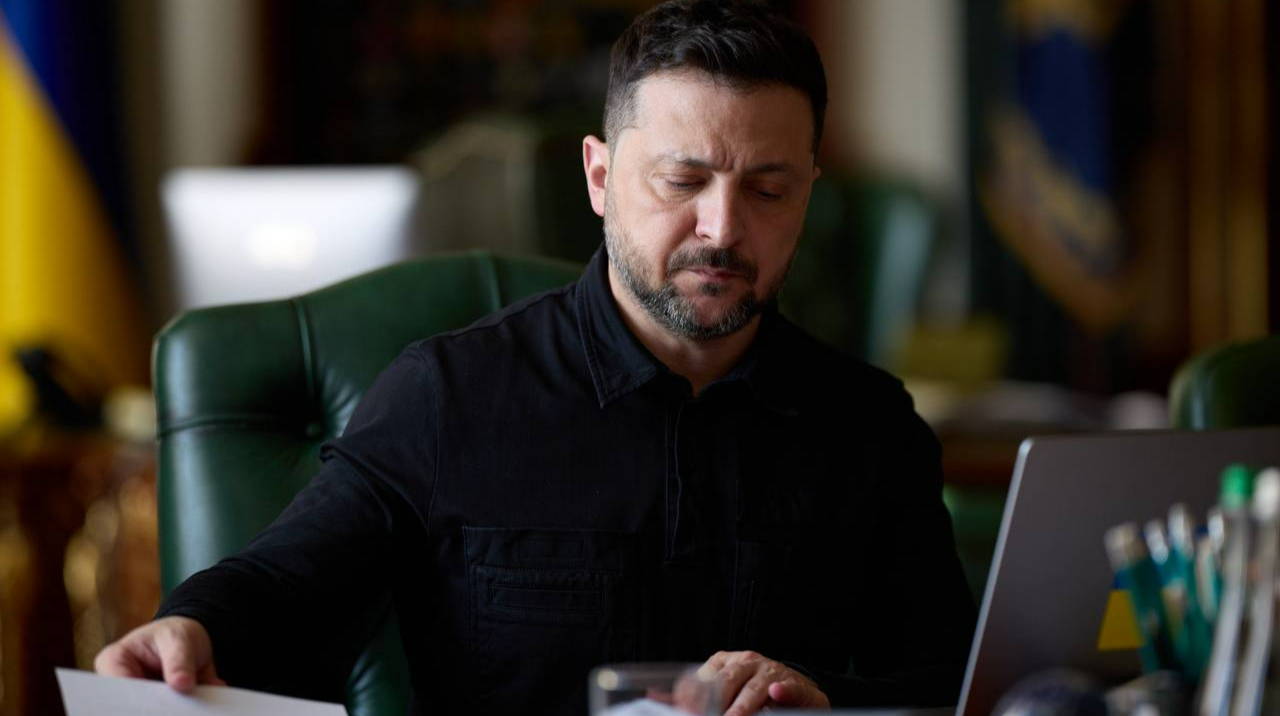
Zelenskyy also publicly pressed his own administration and the ministries to speed up the implementation of agreements reached with international partners. In a post on X on 31 August, he said: “Ukraine’s ministries and the Office team must demonstrate a much faster pace and fully follow through on what we discussed at the leaders’ level.” He singled out the ministries of Foreign Affairs, Defence, Finance, Energy and Economy as directly responsible for securing support in defence, energy, social programmes and the economy. The Ministry of Veterans Affairs was also told to step up its efforts on veterans’ programmes with partner backing Source 3. “No opportunity should be missed. … We need real results,” Zelenskyy wrote.
Taken together, the three moves signal a concerted push by Kyiv to demonstrate both fiscal discipline and institutional reform at a time when Western allies are scrutinising Ukraine’s ability to manage its own finances and tackle corruption before releasing further tranches of aid. The UAH 70 billion in savings will help cover the defence funding gap that prompted the government to revise the 2026 budget earlier this year, while the completion of the anti‑corruption court appointments meets a specific EU condition that had been hanging since July. Zelenskyy’s public demand for faster implementation of partner agreements is a reminder that beyond meeting formal benchmarks, Ukraine needs to show it can turn international commitments into tangible results on the ground.
Which specific agreements are lagging behind remains unclear. The President’s Office did not provide details on the outstanding deliverables, but the naming of five ministries suggests that the bottlenecks range from weapons procurement contracts to energy‑sector reforms and budget support arrangements. The EU’s Ukraine Facility, worth €50 billion in grants and loans for 2024‑2027, ties disbursements to quarterly indicators, and the 17 September deadline is the next cut‑off for the anti‑corruption benchmark. Missing it would have cost Ukraine a quarter‑billion euros at a time when every euro counts for the war effort.
With the IMF now discussing the 2027 budget and the government committed to keeping social spending intact while channelling savings to the military, the next few weeks will test whether the administrative machinery can keep pace with the political will that Zelenskyy and Koretskyi have articulated.
Sources
- Zelenskyy expects ministries and President's Office to work faster and deliver "real results" August 31, 2026
- Zelenskyy appoints another High Anti-Corruption Court judge to unlock EU funding August 31, 2026
- Ukrainian government introduces strict budget austerity measures – PM Koretskyi September 1, 2026
Part of the dossier
Ukraine Government Efficiency and International Agreements →