Ukrainian drone strikes cut Russia’s petrol supply by a third, fuel queues reach Moscow
Ukrainian drone attacks on Russian oil refineries have cut daily petrol production to 80,000 tonnes, covering only 70% of summer demand. Queues of 30–50 cars are now common in Moscow, and Russia has been forced to import aviation fuel from Asia for its military aircraft.
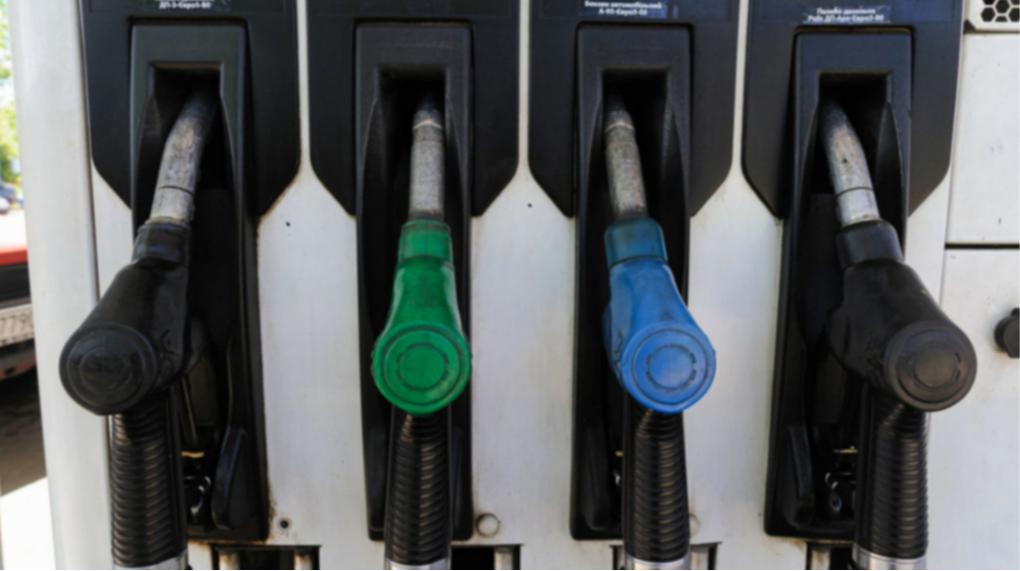
Ukraine’s campaign of drone strikes against Russian oil refineries has succeeded in creating a severe petrol shortage that now reaches the capital itself, with queues of 30–50 cars becoming routine at Moscow petrol stations and fuel sales restricted in dozens of regions from the Baltic coast to Siberia.
By the end of August, Russia’s daily petrol production had fallen to around 80,000 tonnes – just 70% of summer consumption levels – leaving the market short of every third litre, according to data from the independent Amsterdam-based outlet The Moscow Times. The gap between production and demand widened to roughly 35,000 tonnes per day after three major refineries – Permnefteorgsintez, NORSI and Yaroslavnefteorgsintez – shut down following drone attacks. In summer, Russia consumes approximately 115,000 tonnes of petrol daily.
The latest wave of shortages is making everyday life more difficult for more than 50 million Russian drivers and their families, Bloomberg reported, in a story published by Ukrainska Pravda. Kyiv is seeking to shift the consequences of the war onto Russian territory, weaken public support for the invasion and reduce revenues from hydrocarbon exports.
Queues of 30–50 cars in the capital are no longer unusual, Bloomberg noted. Residents of Moscow and Moscow Oblast share daily information in local chats about petrol stations where fuel is still available and the length of the queues. The absence of a queue likely means a station has run out of fuel or is selling it at an excessively high price – independent stations charge around 100 roubles (approximately US$1.20) per litre or more, while major oil companies with their own refineries keep prices below 80 roubles.
Fuel sales restrictions are in place in dozens of regions. One glamping site near the Black Sea even announced on social media that it was giving visitors a full canister of petrol for free.
Since the beginning of August, Ukrainian forces have attacked Russian oil refineries at least 21 times, according to Bloomberg. The attacks eased in the second half of July, temporarily improving supplies, but a new wave of strikes quickly worsened the shortage again. Ukraine attacked four of Russia’s ten largest oil refineries in August, all built to supply the country’s most densely populated and industrially developed regions.
The production shortfall has also forced Russia to import fuel for its military aircraft. Ukraine’s Defence Intelligence (DIU) reported that Russia temporarily banned exports of aviation fuel and purchased a batch of Jet A-1 kerosene – equivalent to the Russian TS-1 and RT grades used in gas turbine aircraft engines. DIU obtained documentary evidence that Russian forces are already using Jet A-1 fuel in Il-76MD-90A military transport aircraft. The fuel can also be used in MiG-29, Su-34, Su-35S, Su-30SM, Su-57, Su-24M and Tu-95MS fighters and bombers, as well as in Geran-4 and Geran-5 jet-powered attack drones.
Russia has purchased at least 70,000 tonnes of aviation fuel from South Korea and Egypt, DIU said. The kerosene was delivered to Russia aboard three shadow fleet tankers, which sailed to ports in St Petersburg and Vladivostok. The vessels – Hanna (IMO 9397456, Panama-flagged and under Ukrainian sanctions), Capibara (IMO 9267027, Indonesia-flagged) – are subject to Ukrainian sanctions.
Overall, traders estimate August petrol imports at around 220,000 tonnes or 7,000 tonnes per day, according to The Moscow Times. Seaborne deliveries of petroleum products from Asian countries in August are estimated at 270,000 tonnes, while petrol imports from Belarus are estimated at 150,000 tonnes. Even accounting for imports and the export ban until 31 January, the Russian market is receiving around 97,000 tonnes of petrol per day – 85% of demand.
The autumn peak in fuel demand could coincide with scheduled maintenance at major Russian refineries and one of Belarus’s two refineries, which have been actively supplying the Russian market. Whether Ukraine will continue its drone campaign into the autumn remains an open question, but the current strikes have already demonstrated that Kyiv can inflict sustained pain on Russia’s domestic fuel supply – and by extension on civilian mobility and public support for the war.
Sources
- Russia's fuel shortage spreads to Moscow as queues return to petrol stations – Bloomberg August 28, 2026
- Russia turns to foreign aviation fuel supplies amid falling domestic production – Ukraine's Defence Intelligence August 29, 2026
- Russia short of a third of its petrol following refinery strikes August 29, 2026
Part of the dossier
Ukrainian Attacks on Russian Energy Infrastructure →