History Made in the Black Sea: Ukrainian Naval Drone Sinks Russian Unmanned Vessel in First-Ever Drone Battle
On 12 September 2026, the Ukrainian Navy reported that its Sargan 3000 naval drone destroyed a Russian unmanned surface vessel in the Black Sea, marking the first-ever naval drone battle. The engagement signals a new era in maritime warfare, with both sides increasingly relying on autonomous platforms. Russia has not yet commented on the loss.
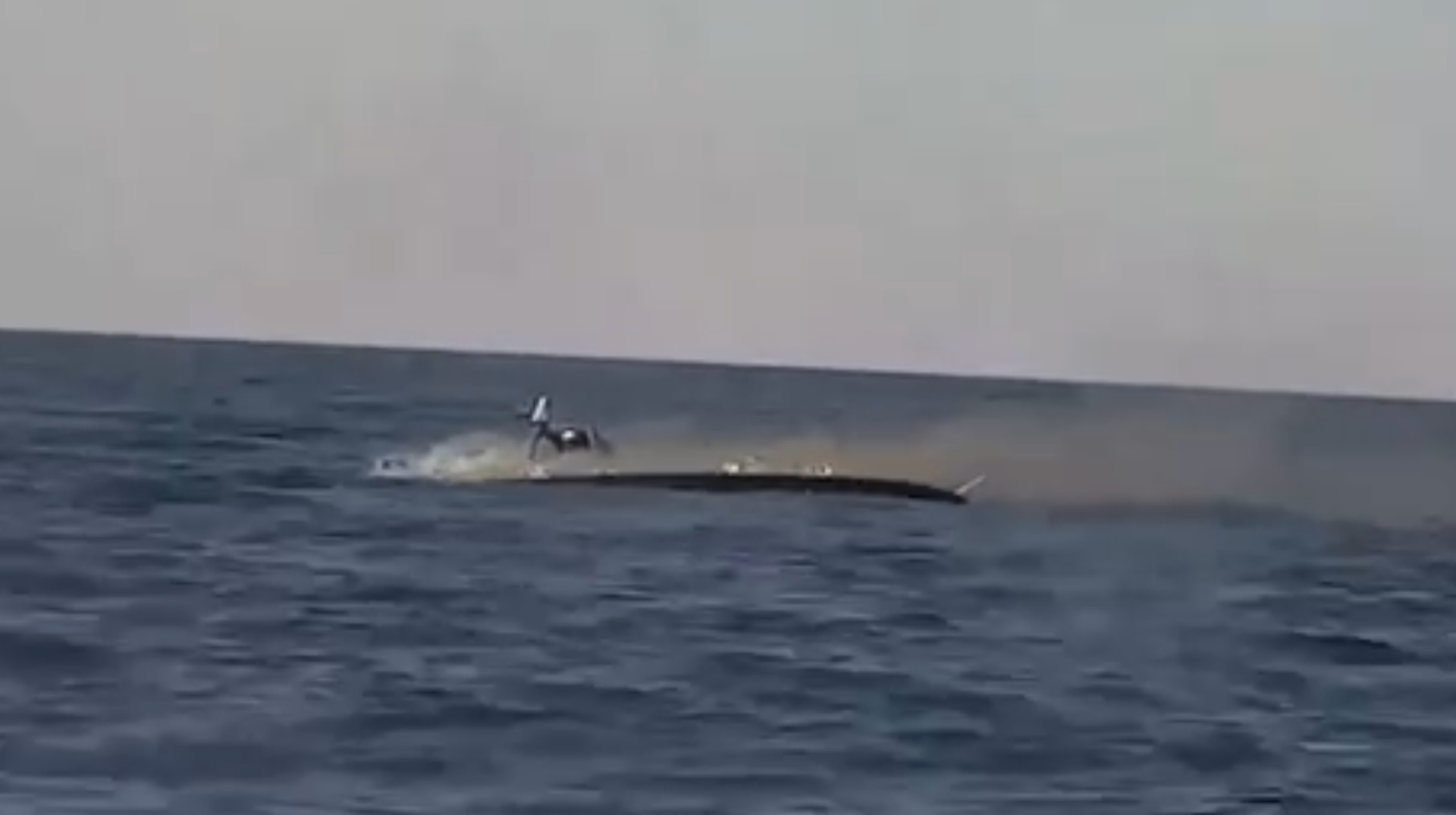
In what is being hailed as a milestone in modern warfare, the Ukrainian Navy has confirmed that one of its Sargan 3000 naval drones destroyed a Russian unmanned surface vessel (USV) in the Black Sea on 12 September 2026. The engagement marks the first documented naval battle between two unmanned platforms, according to a statement from the Ukrainian Navy cited by Ukrainska Pravda.
The clash, which occurred in the contested waters of the Black Sea, represents a new phase in the ongoing war between Ukraine and Russia. Both sides have increasingly relied on drone technology for reconnaissance and strike missions, but until now, the possibility of a direct drone-versus-drone naval engagement had remained theoretical.
The Ukrainian Navy did not disclose the exact location of the engagement or the method by which the Sargan 3000 destroyed the Russian USV, citing operational security. However, the service stated that the Russian vessel was actively operating in the area when it was detected and engaged. Video footage of the engagement was released by Ukrainian sources and later broadcast by Al Jazeera.
Ukraine has been developing its naval drone capability for years, with the Sargan 3000 being one of the more advanced models in its arsenal. The platform is designed for long-endurance surveillance and strike missions, capable of carrying a payload of explosives or anti-ship munitions. Its success in this engagement underscores Ukraine's ability to compete with Russia in the asymmetric warfare domain.
Russia has not yet officially confirmed the loss of its unmanned vessel. If it does, it will likely mark a significant embarrassment for the Russian Black Sea Fleet, which has already suffered losses of conventional vessels to Ukrainian missile and drone strikes throughout the war.
Strategic implications This engagement is more than a battlefield curiosity. It signals a shift in how naval operations may be conducted in the Black Sea and beyond. Traditional naval warfare relies on manned ships and submarines, but the introduction of autonomous or remotely operated combat vehicles capable of engaging each other fundamentally changes the risk calculus. Nations now must consider that their unmanned assets can be hunted and destroyed by similar assets, potentially without any risk to human operators on the opposing side.
For Ukraine, the ability to contest the Black Sea with drones rather than conventional warships—which it largely lacks—provides a cost-effective way to challenge Russian naval dominance. The Black Sea is a vital theater for both sides: Russia uses it to launch missile strikes against Ukrainian infrastructure and to blockade Ukrainian ports, while Ukraine needs safe passage for its grain exports.
The Ukrainian Navy's statement did not elaborate on whether additional drone-on-drone clashes are expected, but analysts suggest this could become more common as both sides deploy larger numbers of USVs. The development also raises questions about counter-drone tactics at sea, including the use of electronic warfare, kinetic interceptors, or even drone-on-drone dogfights.
In related news, Ukraine's law enforcement agencies have identified two Russian prison officers accused of torturing Ukrainian detainees, according to a separate report from Ukrainska Pravda. The suspects, Alexei Kochetov and Yevgeny Myasnikov, were linked to abuses at Penal Colony No. 1 in Tula Oblast, Russia, where Ukrainian civilians and prisoners of war have been held.
The successful drone engagement will likely boost morale in Kyiv and provide a new talking point for Ukrainian diplomats seeking continued Western military aid, particularly in the naval and unmanned systems sectors. For now, the Black Sea remains a laboratory for the future of naval combat—and Ukraine has just demonstrated it is willing to write the first chapter.
Sources
- Ukrainian drone wins: Navy shows first-ever naval drone battle September 12, 2026
- First naval battle between drones takes place in the Black Sea September 12, 2026
- They beat detainees for smiling: two Russian prison officers who tortured Ukrainians identified September 18, 2026
Part of the dossier
Ukrainian Naval Drone Battle in Black Sea →