Most Ukrainian Refugees in Poland Plan to Return Home; Textbook Repairs Lag as Publishers Foot the Bill
A new survey shows over 50% of Ukrainian refugees in Poland plan to return home after the war, though 30% report discrimination. Meanwhile, only 44% of Russian-destroyed school textbooks have been reprinted, with publishers covering costs and UNICEF providing partial compensation.
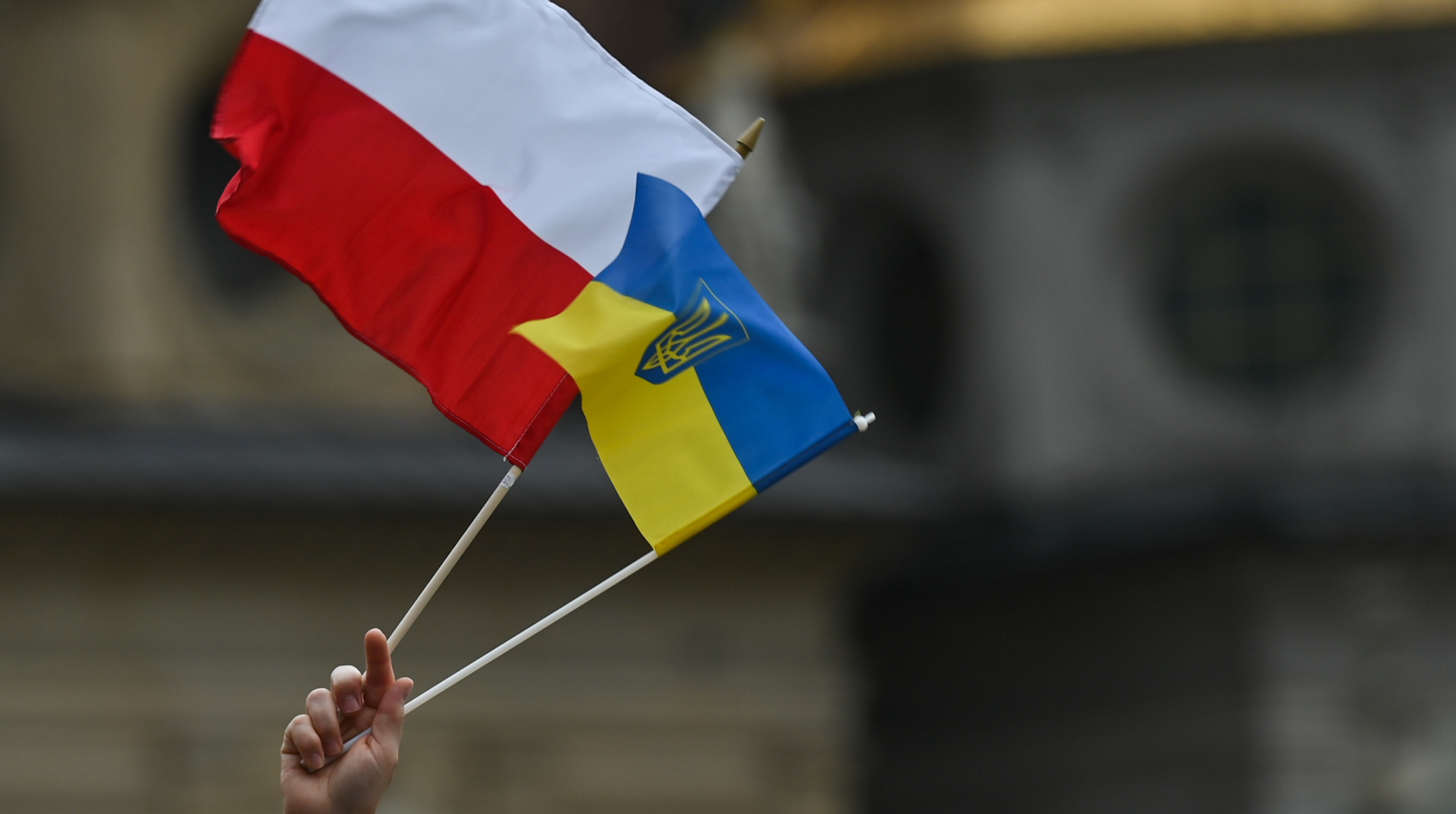
More than half of Ukrainian refugees currently living in Poland intend to return to Ukraine once the war ends, according to a new survey – a sign of both enduring attachment to home and the precariousness of life in exile. But the same poll, released on 11 September, also found that nearly a third of respondents report experiencing discrimination in Poland, complicating the picture of solidarity that has defined the bilateral relationship since 2022.
The survey, conducted by a Polish research firm (full methodology not disclosed in the available material), asked 1,200 adult Ukrainian refugees in Poland about their post-war intentions. Fifty-two percent said they would go back to Ukraine, while 28% said they would stay in Poland and 20% were undecided. Among those planning to return, the most commonly cited reasons were family ties (61%), a desire to rebuild the country (54%) and a belief that Ukraine's future is brighter than life abroad (47%). Those who said they would not return pointed to security concerns (39%), a lack of housing and jobs in Ukraine (31%) and established lives in Poland (28%).
The survey's findings on discrimination are more troubling. Thirty-one percent of respondents said they had personally experienced some form of discrimination in Poland, with the most frequent incidents involving verbal abuse (41%), difficulty finding housing (37%) and workplace bias (29%). These numbers, while lower than in some earlier polls, still suggest that a significant minority of refugees feel unwelcome in a country that has taken in more than 1.5 million of them.
"The Polish public has shown extraordinary generosity, but we cannot ignore these reports," says Marta Kowalska, a Warsaw-based migration policy analyst who reviewed the survey for this article. "The question now is whether this discrimination is isolated or part of a broader shift in attitudes as the war drags on."
Meanwhile, in a separate development, Ukraine's education system is struggling to recover from Russian attacks on its publishing infrastructure. As of 16 September, only 44% of the school textbooks destroyed in Russian strikes have been reprinted, according to Education and Science Minister Andrii Butenko. Speaking to parliament's education committee, Butenko revealed that the Russian military's summer 2026 attacks on publishers' warehouses – including a major strike on a Ranok publishing house logistics centre – destroyed several batches of books that were awaiting delivery to schools.
Under the ministry's plan, 90% of textbooks were due to reach schools by 1 September and the rest by 1 October. But as of mid-September, only 88.6% of the first batch had been delivered, with roughly 10% lost in the attacks. A further 3% are stuck in logistics chains, and just 7% of the second batch has reached schools.
Butenko told the committee that the ministry is now working with international partners to cover the cost of the destroyed books, since Ukrainian law prevents the state from paying for them twice. "Legally, we cannot pay for them a second time from the state budget due to legislative safeguards against duplicate payments," he said. The ministry has reached an agreement with UNICEF to provide around $300,000 in compensation, which Butenko said would cover most of the publishers' losses. However, he acknowledged that publishers like Ranok have had to reprint the books at their own expense, straining budgets already battered by wartime inflation.
The textbook shortage is not just a logistical headache – it has direct consequences for learning. In the regions worst affected by the attacks, some schools have resorted to using photocopies or digital resources, which are of limited use in areas with frequent power cuts. "Every child without a textbook is a child whose education is being delayed," says Olena Hryshko, a Kyiv-based education researcher. "The fact that publishers are covering these costs themselves is a tribute to their commitment, but it also highlights how fragile the system remains."
The two stories – about refugees and textbooks – may seem unrelated, but they are both chapters in the same war. As refugees weigh returning to a country that is still under attack, and as Ukrainian children study with makeshift materials, the message from Kyiv to its citizens and the world is the same: the war is far from over, and its costs are still being paid.
For now, the survey's findings offer a measure of hope – most refugees want to go home. But the discrimination they face and the slow progress on rebuilding key infrastructure like textbooks suggest that the road back will be neither quick nor easy. As Kowalska puts it, "The return is not just a matter of crossing the border. It's about whether Ukraine can offer its people a reason to stay."
Source: Ukrainska Pravda (English) – More than 50% of Ukrainian refugees in Poland plan to return to Ukraine – survey; Ukrainska Pravda (English) – Over 30% of Ukrainian refugees in Poland experience discrimination – survey; Ukrainska Pravda (English) – Over 44% of Ukrainian school textbooks destroyed by Russia have been reprinted
Sources
- More than 50% of Ukrainian refugees in Poland plan to return to Ukraine – survey September 11, 2026
- Over 30% of Ukrainian refugees in Poland experience discrimination – survey September 11, 2026
- Over 44% of Ukrainian school textbooks destroyed by Russia have been reprinted September 16, 2026
Part of the dossier
Ukrainian Refugees in Poland Return Survey →