US Approves Patriot Missile Transfer to Ukraine, but Production Limits Threaten Winter Air Defence
The US has approved the transfer of 10 Patriot interceptor missiles from Germany to Ukraine and a potential $2.68 billion air defence equipment sale. However, US Ambassador to NATO Matthew Whitaker says insufficient production capacity is the main obstacle, with demand exceeding supply under the PURL programme.
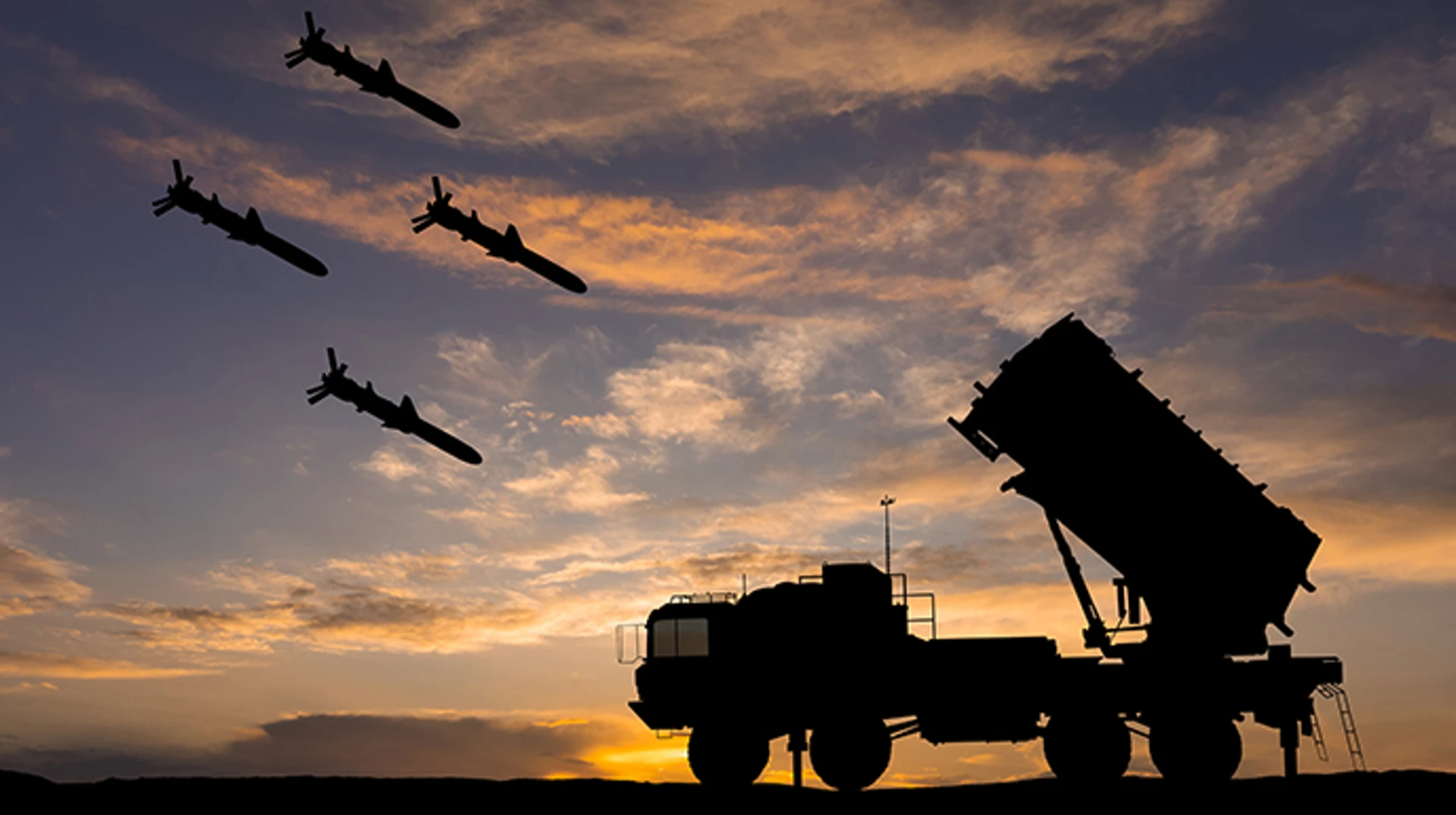
The United States has authorised the transfer of 10 Patriot interceptor missiles from Germany to Ukraine, a move that will bolster Kyiv's air defences against ongoing Russian attacks but does not solve the fundamental problem of insufficient production capacity, US officials have acknowledged.
The transfer, valued at $29.6 million, was approved by the US State Department on 17 September and published in the Congressional Record. The missiles – MIM-104E GEM-T interceptors – are currently in German military stockpiles. Under US arms export rules, Germany needed Washington's consent to hand them over to a third party. The State Department said the transfer is "consistent with US security assistance objectives" and that Ukraine seeks the missiles to "bolster its air defence capability against ongoing Russian attacks" Source: Ukrainska Pravda, 17 Sept.
Just two days later, on 19 September, the State Department approved a potential $2.68 billion sale of a broader package of air defence equipment to Ukraine. The proposed sale includes S-300 Clone missiles, GAM-67 missiles, Range-Extended Air Defence Laser Guided Rocket systems, improvised transporter erector launchers, mobile launching system modification kits, and RPS 202 counter-drone radars. The purchase would be financed through European contributions and US Foreign Military Financing (FMF) funds allocated under the previous administration. The FMF portion will count as the US contribution to the US-Ukraine Reconstruction Investment Fund on a reimbursable 1:1 basis Source: Ukrainska Pravda, 19 Sept.
Yet even as these approvals signal continued American commitment, the fundamental bottleneck remains production capacity. US Ambassador to NATO Matthew Whitaker told Radio Liberty on 19 September that the main obstacle to supplying Patriot interceptor missiles to Ukraine is not a lack of allied willingness to contribute funds, but a shortage of manufacturing output.
"The demand exceeds supply," Whitaker said, referring to the Prioritised Ukraine Requirements List (PURL) programme, through which NATO allies finance purchases of US-made weapons for Ukraine. He noted that allied contributions to PURL are sufficient, but "existing stocks are insufficient for the current situation in the world." The ambassador stressed that the global security environment has become more dangerous, and that the solution must combine expanding production capacity both in the US and in Europe, as well as exploring joint production with Ukrainians and NATO allies Source: Ukrainska Pravda, 19 Sept.
The 10 Patriot interceptors from Germany are a stopgap measure. Ukraine's Defence Minister Yevhenii Khmara has previously stated that Kyiv is signing contracts for around 1,000 Patriot missiles, but those deliveries will take time. In the meantime, Ukraine needs missiles from partner stockpiles before winter, when Russia is expected to intensify its air campaign against energy infrastructure and cities.
The $2.68 billion sale, if finalised, would provide Ukraine with a mix of systems that are not classified as major defence equipment – including the S-300 Clone, a variant designed to be compatible with Ukraine's existing Soviet-era launchers, and the GAM-67, a new-generation missile. But the Patriot remains the backbone of Ukraine's high-altitude air defence, and without a steady flow of interceptors, gaps will appear.
Whitaker's remarks underscore a strategic dilemma: even as the US and its allies approve new transfers and sales, the industrial base cannot keep pace with wartime consumption. The ambassador said he is working on opportunities for joint production, but no timeline has been given. For now, Ukraine will have to make do with the 10 missiles from Germany and hope that the larger sale and expanded production come through before the winter offensive.
Sources
Part of the dossier
US Military Aid to Ukraine: Patriot Missile Transfers →