US Asked Ukraine to Pause Strikes on Moscow and St Petersburg During CIA Director’s Moscow Visit – Then Ukraine Hit a Major Oil Refinery
The US asked Ukraine to halt strikes on Moscow and St Petersburg while CIA Director Ratcliffe visited Moscow to warn against Russian mobilisation. Ukraine resumed strikes after the visit, hitting a major oil refinery. Russia announced plans to conscript 600,000 troops, and the US later hosted Russia's finance minister at G20 talks, angering Europe.
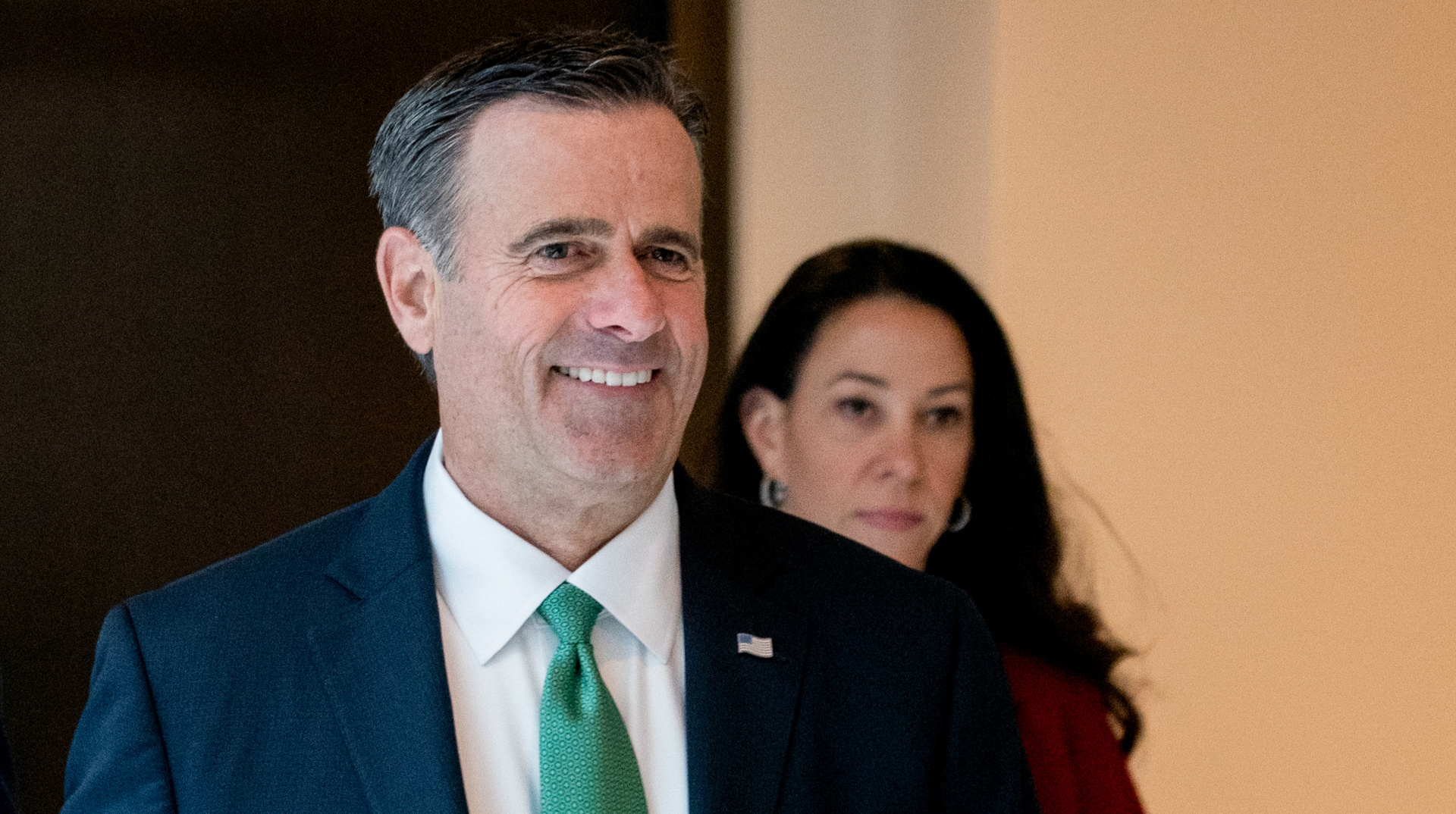
In a rare diplomatic gambit, the United States requested that Ukraine refrain from striking Moscow and St Petersburg while CIA Director John Ratcliffe was in Moscow on 25–26 August 2026, according to Ukrainian government sources cited by Suspilne and reported by European Pravda. The request was part of a broader effort to head off what US intelligence had detected as early Russian preparations for a possible military mobilisation against Ukraine, as The Wall Street Journal reported Source 5. Ratcliffe’s visit was the first by a CIA director to Moscow since November 2021, when William Burns warned the Kremlin that the US knew Russia was planning a full-scale invasion.
Ratcliffe met with Russian intelligence services but not with President Vladimir Putin, the Kremlin confirmed on 26 August Source 6. “There were contacts with the intelligence services,” said Putin’s press secretary Dmitry Peskov. “There were no meetings with the president of Russia.” The Wall Street Journal had reported that Ratcliffe’s mission was to deliver a warning about the consequences of any new mobilisation, a message that US Senator Richard Blumenthal, speaking in Kyiv, said he hoped was “don’t do it, forget about it. You’ll have no free shot” Source 9.
While the US sought to de-escalate, Russia continued its attacks. On the morning of 26 August, a Russian drone strike on the city of Chernihiv killed a 49-year-old pharmacy worker, Olena Bila, and her four-year-old daughter Zhanna. Her 14-year-old daughter was injured and hospitalised Source 8. The strike echoed the pattern of civilian suffering that has defined the war.
Barely 24 hours after Ratcliffe left Moscow, Ukraine resumed its long-range campaign. On the night of 27–28 August, Ukraine’s Special Operations Forces struck the Yaroslavl oil refinery – one of Russia’s five largest by primary oil processing volume, with a capacity of about 15 million tonnes per year. The attack caused a major fire Source 11. The timing suggests that Ukraine interpreted the US request as limited to the duration of Ratcliffe’s visit, and that once the CIA director was out of the country, Kyiv felt free to target strategic infrastructure.
On 27 August, Ukraine’s Defence Intelligence and Foreign Intelligence Service released a briefing stating that Russia’s General Staff had drawn up a plan to conscript an additional 600,000 people in 2026–2027, with 300,000 called up each year Source 10. The intelligence assessment noted that Russia was considering additional mobilisation because of rising battlefield losses – around 240,000 personnel lost between January and July 2026, including at least 140,000 killed or permanently lost – and a slowdown in contract recruitment. The Kremlin has since tightened legislation and expanded recruitment among convicts.
The diplomatic fallout continued. On 1 September, Russian Finance Minister Anton Siluanov made a surprise appearance at US-hosted G20 finance talks in Asheville, North Carolina – the first time a Russian minister attended such a meeting in person since the full-scale invasion began. He held a bilateral meeting with US Treasury Secretary Scott Bessent, who focused on President Donald Trump’s peace plan for Ukraine Source 12. European officials were angered. Polish Finance Minister Andrzej Domanski said: “We do not trust Russia. They lie constantly, and you need to be really, really cautious while discussing with them.” German Finance Minister Lars Klingbeil called the invitation a “troubling” signal.
The sequence of events illustrates a delicate balancing act for Washington: seeking to prevent a major Russian escalation while maintaining the support of European allies and Ukraine, which continues to strike Russian energy infrastructure. The US request for a pause in strikes on Moscow and St Petersburg was a short-term tactical measure, not a strategic shift. Ukraine’s immediate resumption of attacks on Russian refineries suggests that Kyiv views such strikes as essential to degrading Russia’s war economy, regardless of US diplomatic sensitivities. Meanwhile, the G20 episode shows that the US is willing to engage Russia bilaterally, even as the war grinds on, further straining transatlantic relations.
Sources
- Axios: US asks Ukraine not to strike Russia while CIA director is there August 25, 2026
- Putin adviser claims Ukraine planned to invade Russia on 8 March 2022, so Russia attacked first August 25, 2026
- Ukraine clarifies that Washington asked it not to attack Moscow and St Petersburg during CIA chief’s visit August 25, 2026
- Finnish president on winter in Ukraine: we need to be prepared for the worst-case scenario August 25, 2026
- WSJ learns likely reason for CIA director’s visit to Moscow August 25, 2026
- CIA chief met Russian intelligence services but not Putin, Kremlin says August 26, 2026
- Moscow court rejects appeal by pensioner convicted over donations to Ukrainian Armed Forces; she sings Ukrainian song August 26, 2026
- Pharmacy worker and her 4-year-old daughter killed in Russian strike on Chernihiv August 26, 2026
- US senator Blumenthal hopes CIA chief warned Putin in Moscow not to escalate August 26, 2026
- Russia is preparing new conscription of 600,000 people, Ukrainian intelligence services say August 27, 2026
- Ukraine hits one of Russia's five largest oil refineries – video August 28, 2026
- US brings back Russia’s Siluanov to G20 finance talks, angering Europe September 1, 2026
Part of the dossier
US asks Ukraine to pause strikes on Russia during CIA director's Moscow visit →