As Zelenskyy’s Airspace Warning Bites, Putin Threatens Retaliation and Shipping Losses Hit 1% of GDP
Zelenskyy's warning that Russian airspace is unsafe due to Ukrainian drones has led airlines to cancel flights. Putin calls it 'state terrorism' and orders energy strikes, while revealing shipping damage costs 1% of GDP. Diplomatic travel disrupted.
Ukrainian President Volodymyr Zelenskyy’s warning that Russian airspace is becoming unsafe for civil aviation has already prompted some airlines to cancel flights to Russia, while Moscow’s economic losses from Ukrainian drone strikes on shipping have reached an estimated 1% of GDP, according to Vladimir Putin.
In his evening address on 2 September, Zelenskyy said: “We are receiving information that the first airlines have begun refusing to operate flights to Russian airports following our warning about the drone threat which objectively exists in Russian airspace” Source: Ukrainska Pravda. He added that Ukraine had formally notified the UN’s International Civil Aviation Organization (ICAO) of the danger.
The warning, issued on 1 September, came after a series of long-range Ukrainian drone strikes deep inside Russia, including the 29–30 August attack on the Kirishi oil refinery in Leningrad Oblast and the Yeysk air base in Krasnodar Krai Source: Ukrainska Pravda. Ukraine’s military capability has grown rapidly; Kyiv is now able to launch several hundred drones daily and aims for a target of 1,000 per day, according to military sources cited by the BBC.
Putin, speaking at the Shanghai Cooperation Organisation summit in Bishkek, called Zelenskyy’s remarks “a bid for state terrorism” and said: “You don’t negotiate with terrorists” Source: Ukrainska Pravda. He ordered the Russian military to prepare large-scale retaliatory strikes on Ukrainian energy infrastructure, echoing plans announced by the Defence Ministry on 30 August.
Meanwhile, the economic toll of Ukraine’s drone campaign is becoming clearer. Putin disclosed on 2 September that Ukrainian attacks had damaged around 100 commercial vessels in the Black Sea and Sea of Azov over 40 days, with losses estimated at about 1% of Russia’s GDP Source: Ukrainska Pravda. The Institute of Black Sea Strategic Studies reported that crude oil exports from Russian Black Sea ports dropped 3.2-fold in August compared with July.
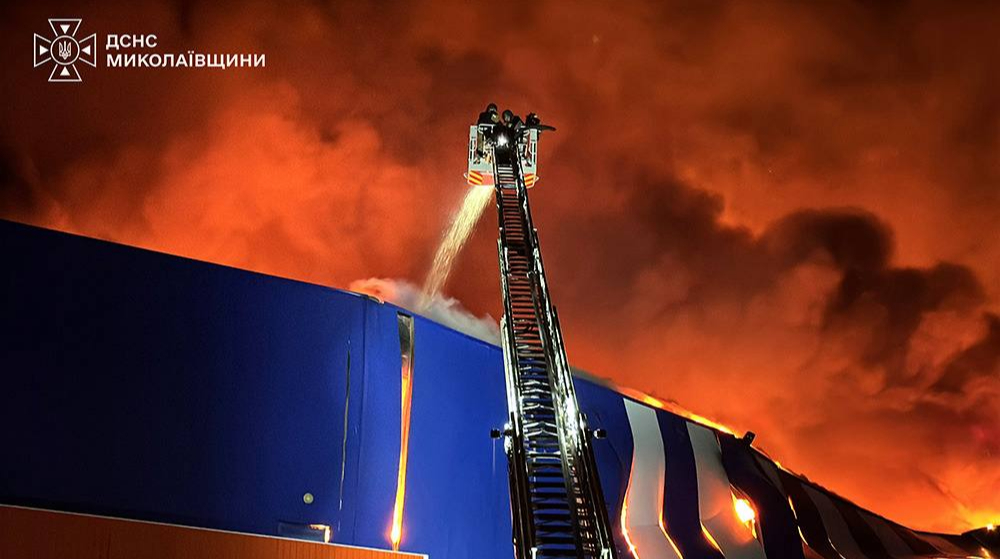
On the ground, Russian drone strikes continue to hit Ukrainian cities. On 5 September, Ukraine’s State Emergency Service released images of damage to a shopping centre in Mykolaiv following a Russian attack Source: Ukrainska Pravda. The previous day, Russian drones killed at least one person and wounded more than a dozen across Kyiv, Odesa, and Dnipro Source: Al Jazeera.
Diplomatic channels remain strained. Putin insisted on 3 September that no mobilisation was planned and that Ukraine and Russia should be the first to negotiate Source: Ukrainska Pravda. Yet he also claimed the negotiating process is “frozen” and that only “positive proposals” could restart it Source: Ukrainska Pravda.
A telling sign of the breakdown in travel was revealed on 6 September: Zelenskyy said that Russian authorities prevented US envoys Steve Witkoff and Jared Kushner from flying into Ukraine, forcing them to travel by rail Source: Ukrainska Pravda.
Separately, Ukraine’s state nuclear company warned of a critical safety situation at the Russian-occupied Zaporizhzhia Nuclear Power Plant, while the Kremlin accused Berlin of “harbingers of war” over its response to the Leipzig drone incident in August [Source: Ukrainska Pravda](https://www.pravda.com.ua/eng/news/2026/09/06/8052152/; Source: Ukrainska Pravda).
Putin, for his part, acknowledged that drones are Russia’s “main challenge” across all domains — air, land, sea, and underwater — but insisted that Russian defence companies are ramping up production to meet the threat Source: Ukrainska Pravda.
Sources
- Putin calls Zelenskyy's warning about Russian airspace "bid for state terrorism" September 1, 2026
- Putin says negotiations are currently frozen September 1, 2026
- Putin: Drones are the main challenge for Russian forces September 1, 2026
- Zelensky says airlines should avoid Russian airspace as Ukraine escalates drone operations September 2, 2026
- Putin links Leipzig airport drone incident to crisis in Germany September 2, 2026
- Russian airspace becoming unsafe for commercial airlines, Zelenskyy says September 2, 2026
- Putin reveals impact of Ukrainian strikes on shipping on Russian GDP September 2, 2026
- Putin and Zelenskyy issue threats as strikes rock Ukraine, Russia September 2, 2026
- Zelenskyy: Some airlines have started cancelling flights to Russia September 2, 2026
- Putin: Ukraine and Russia should be first to negotiate an end to war September 3, 2026
- Putin continues to insist Russia is not preparing for mobilisation, claiming people are joining up voluntarily September 3, 2026
- Ukraine's State Emergency Service show damage caused by Russian strikes on Mykolaiv shopping centre September 5, 2026
- Zelenskyy: Russians prevented Witkoff and Kushner from arriving by plane, so they travelled to Ukraine by rail September 6, 2026
- Ukraine's state nuclear company warns of critical safety situation at Zaporizhzhia Nuclear Power Plant September 6, 2026
- Kremlin sees "harbingers of war" in Berlin's response to Leipzig drone incident September 6, 2026
Part of the dossier
Russia-Ukraine Airspace Conflict →