Zelenskyy’s Broader Ceasefire Proposal Remains Unanswered as Russia Limits Concessions to Capital Strikes
Ukraine's proposal for a full ceasefire along the line of contact was delivered to Putin but remains unanswered. Russia only agreed to a three-day halt on capital strikes, while continuing attacks on fuel stations. The limited outcome underscores the gap between US-led diplomatic efforts and Moscow's willingness to de-escalate.
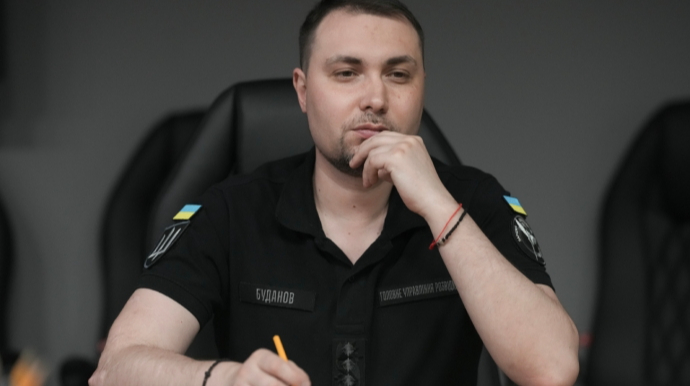
Ukraine’s proposal for a comprehensive halt to strikes along the entire line of contact has been delivered to Russian President Vladimir Putin, but Moscow has not formally responded, according to the head of President Volodymyr Zelenskyy’s office Source 1. The silence from the Kremlin underscores the limited scope of the only tangible outcome from the 5 September talks between Putin and US envoys Steve Witkoff and Jared Kushner: a three-day mutual pledge not to strike each other’s capitals Source 3.
During the Moscow meeting, Putin ordered a three-day halt to strikes on Kyiv, and both sides agreed to refrain from targeting each other’s capitals for the same period Source 2. But the Kremlin made clear that no broader ceasefire was agreed Source 4. Within 24 hours of that limited pledge, Russia attacked four Ukrainian petrol stations across the country, according to reports and photos published by Ukrainska Pravda on 6 September Source 5.
For Ukraine and its Western backers, the pattern is familiar: Moscow accepts a narrow, symbolic pause while rejecting any wider de-escalation. The proposal Ukraine handed over – which would have stopped strikes along the entire front line – was the most ambitious diplomatic gambit Kyiv has made in months. By ignoring it, Putin effectively signals that he sees no advantage in freezing the battlefield situation while his forces continue to press in the east.
The talks on 5 September were part of a US-led effort to revive peace negotiations. Trump said his envoys were bringing “a proposal to end the war” Source 3. But the limited outcome – a three-day capital truce – suggests the proposal has not gained traction. Putin told the envoys in a Kremlin meeting: “The situation is, of course, not simple” Source 3.
Zelenskyy, in a statement on 8 September, said Ukraine is ready to receive a delegation aircraft at its airports, but questioned whether Russia will allow it Source 6. That remark hints at continued logistical and security hurdles for any high-level visit to Kyiv by the US envoys, which was initially expected on 6 September but has not yet materialised.
Strategically, the standoff matters because it confirms Russia’s willingness to engage in tactical pauses – such as the capital truce – while rejecting any measure that would limit its ability to strike military and infrastructure targets elsewhere. The petrol station attacks on 6 September are a clear example: they hit civilian infrastructure far from the capital, outside the scope of the limited truce. For Ukraine, the message is that Moscow will only accept constraints that do not alter the overall course of the war.
The unanswered broader ceasefire proposal also puts the onus back on Washington. If Trump’s envoys cannot secure even a response from Putin, the prospects for a comprehensive ceasefire before winter remain bleak. European allies, who have watched the US take the lead in this round, are likely to press for a more coordinated diplomatic push – but for now, the front line remains active, and the diplomatic channel remains stalled.
As of 8 September, no formal reply from Moscow to Ukraine’s proposal has been received. The Kremlin continues to insist that any ceasefire must be tied to Ukrainian territorial concessions, a condition Kyiv has repeatedly rejected. The coming days will show whether the US envoys can still salvage a broader agreement, or whether the capital truce will be the only achievement of this round.
Sources
- Putin orders three-day halt to strikes on Kyiv September 5, 2026
- Head of Zelenskyy's office: Ceasefire proposal was delivered to Putin, but he did not respond September 5, 2026
- Russia’s Putin meets US envoys to discuss Trump proposal to end Ukraine war September 5, 2026
- Putin says Russia has not struck Kyiv since midnight but no broader ceasefire was agreed September 5, 2026
- Russia has attacked four Ukrainian petrol stations over past 24 hours – photos September 6, 2026
- Zelenskyy: We ready to receive delegation aircraft at airports, but the question is whether Russia will allow it September 8, 2026
Part of the dossier
Zelenskyy's ceasefire proposal to Putin ignored →