Russian Drones Strike Bus in Kherson, Continuing Pattern of Attacks on Civilian Transport
A Russian drone struck a bus in central Kherson on 27 August, injuring three people. The attack is part of a broader pattern of drone strikes on civilian transport, including ambulances, evacuation vehicles, and passenger trains, across southern and eastern Ukraine since late August.
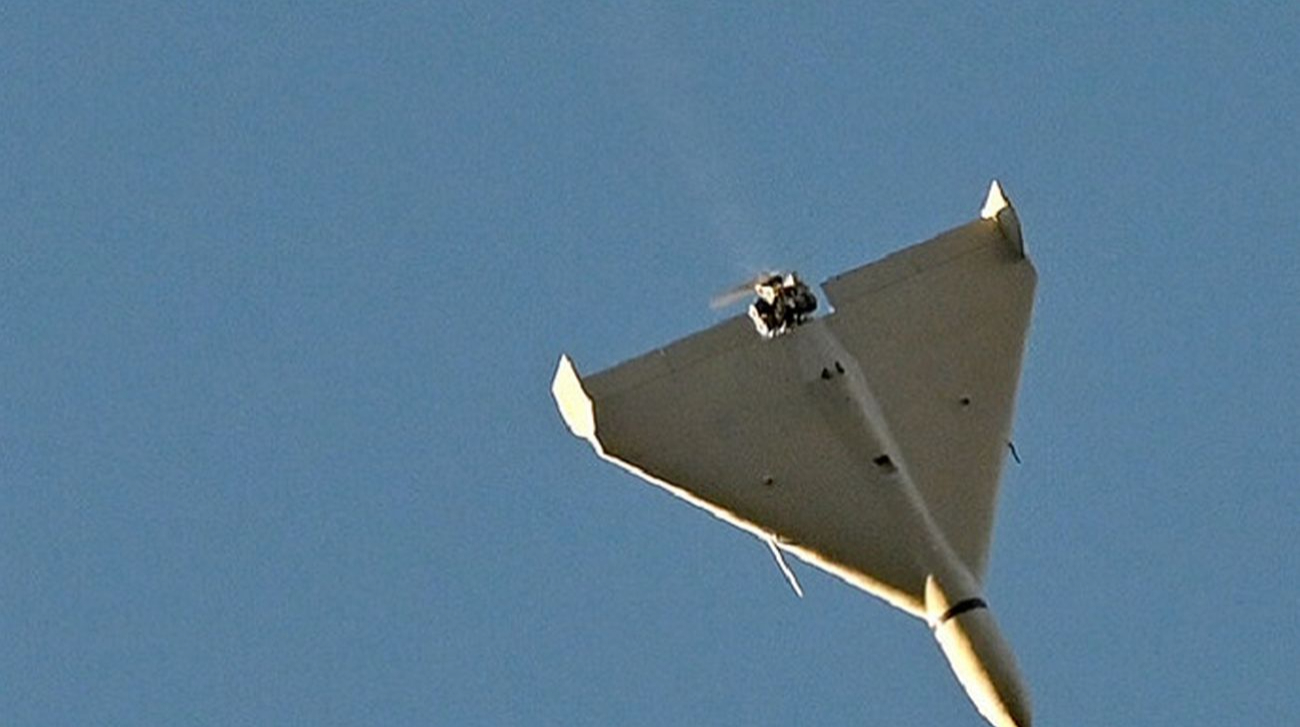
Russian forces have intensified their drone campaign against civilian infrastructure in southern and eastern Ukraine, with the latest attack on 27 August 2026 striking a bus in central Kherson and injuring three people, according to local officials.
The attack occurred at around 10:25 local time, when a Russian-operated drone dropped explosives on a bus in the city centre, Yaroslav Shanko, Head of the Kherson City Military Administration, reported. The victims include a 59-year-old man and a 60-year-old woman who sustained blast injuries, and the 55-year-old bus driver who suffered a concussion, blast injury, and closed head injury. All three are receiving medical treatment, according to the Kherson Oblast Military Administration.
“The enemy attacked a civilian vehicle in broad daylight, when people were simply going about their business. This is yet another ruthless crime by the Russians against the peaceful residents of Kherson,” Shanko said in a statement.
This bus attack is part of a broader pattern of Russian drone strikes on non-military transport in the region over the past three weeks. On 1 September, a Russian drone hit a volunteer vehicle evacuating people from Novotroitske in Zaporizhzhia Oblast, injuring two people, as reported by Ivan Fedorov, head of the Zaporizhzhia Oblast Military Administration. “Two people were injured. The vehicle was damaged,” Fedorov wrote.
On 5 September, Russian Shahed drones attacked a passenger train bound for Kherson, causing unspecified injuries, according to Ukrainska Pravda. On 8 September, three civilians were injured in a drone strike on Zolochiv in Kharkiv Oblast, as reported by local authorities. On 11 September, a drone hit an ambulance in Kherson’s Korabelnyi district, injuring two medical personnel, according to the Kherson City Military Administration.
On 14 September, Russian drones struck Kherson twice in a single morning. At around 08:30, a drone hit a passenger car in the Dniprovskyi district, killing one person whose identity is being established. Then at 10:10, another drone struck the city centre, injuring a 62-year-old man with a blast injury and shrapnel wound to his left leg, Shanko reported on social media, as cited by Ukrainska Pravda.
The attacks all occurred during daylight hours and targeted vehicles that are clearly civilian in nature — buses, ambulances, evacuation vehicles, passenger trains, and private cars. This pattern suggests deliberate targeting rather than accidental strikes, though Russian military officials have not publicly commented on these specific incidents. Ukrainian authorities have not confirmed any Russian military justifications for the attacks.
The strategic significance is twofold. First, these strikes aim to disrupt civilian life and movement in front-line areas, making everyday travel dangerous. Second, by targeting ambulances and evacuation vehicles, they impede humanitarian operations and medical response, potentially increasing the human cost of the war. The attacks also follow a broader escalation in Russian drone warfare against Ukrainian infrastructure, including energy facilities, in recent months.
International condemnation has been limited to general statements about attacks on civilians, with no specific resolutions targeting these drone strikes on transport. The United Nations and humanitarian organizations have documented similar patterns in other conflict zones, but no formal condemnation of these particular incidents has been issued as of 14 September.
The status of the injured from the 27 August bus attack remains stable, according to local medical officials, though their long-term outcomes are not yet known. Ukrainian authorities continue to urge residents to avoid unnecessary travel and to seek shelter during drone alerts, but no specific new protective measures for public transport have been announced.
Sources
- Three people injured in Russian drone attack on bus in Kherson – photo, video August 27, 2026
- Russians attack volunteer vehicle with drone during evacuation in Zaporizhzhia Oblast: two people injured September 1, 2026
- Russians attack passenger train bound for Kherson with Shahed drones, people injured September 5, 2026
- Three civilians injured in Russian drone attack on Zolochiv in Kharkiv Oblast – photos September 8, 2026
- Russians attack ambulance in Kherson, injuring three people September 11, 2026
- Russians attack Kherson in morning: one killed and one injured September 14, 2026
Part of the dossier
Russian Drone Attack on Bus in Kherson →