Russian drone strikes SBU headquarters in central Kyiv, targeting acting security chief's office — Zelensky orders retaliatory strike
A Russian drone struck the headquarters of Ukraine's Security Service in central Kyiv on 4 September, targeting the office of acting chief Oleksandr Poklad. Five people were injured. President Zelensky said he instructed Poklad to prepare a mirror response, as the attack comes ahead of US mediation talks.
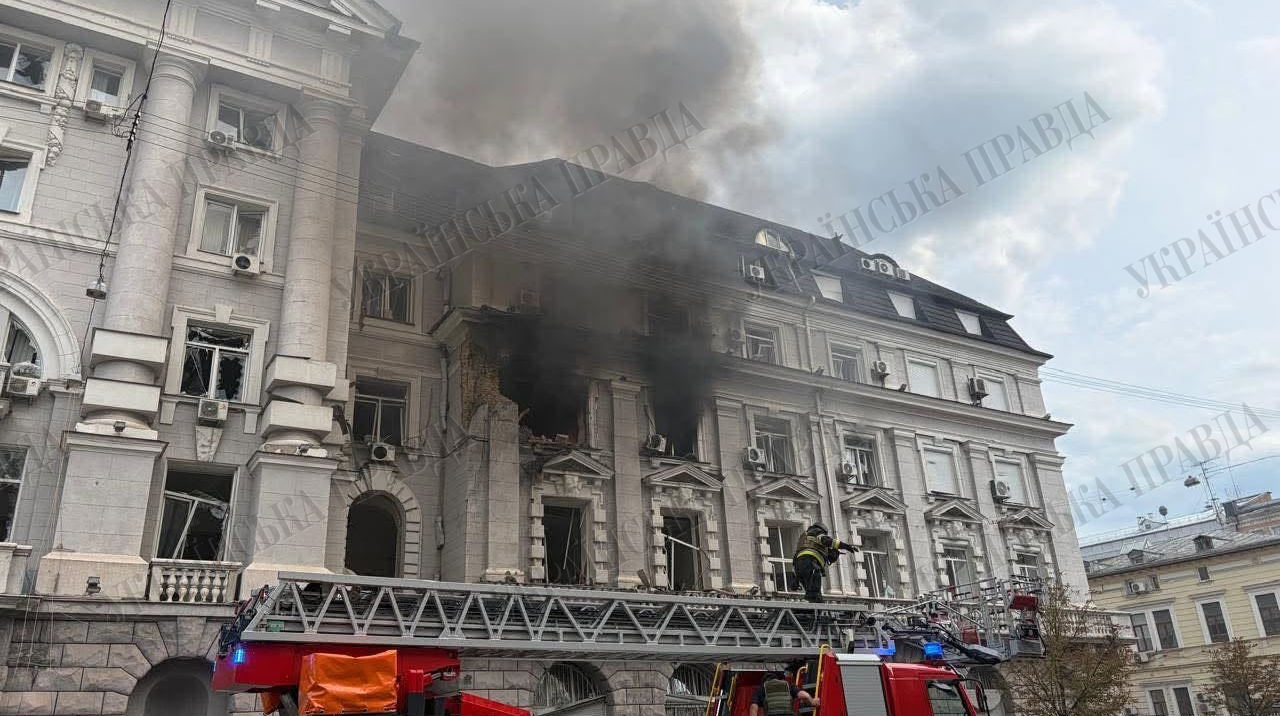
A Russian drone struck the headquarters of the Security Service of Ukraine (SBU) in central Kyiv on Friday afternoon, hitting the office of acting security chief Oleksandr Poklad, President Volodymyr Zelensky confirmed. The attack, which injured five people, marks the first time an SBU building in the capital has been directly targeted in this way and signals Moscow’s growing ability to strike deep inside the city with precision munitions.
Zelensky said on Telegram that the drone “was aimed directly at the office of the Head of the Security Service,” adding that he had spoken to Poklad since the strike and instructed him to prepare “an appropriate, tangible response … that mirrors this strike.” He did not say whether Poklad was in the building at the time, but the fact that Zelensky spoke to him afterwards suggests the acting chief survived the attack.
Kyiv Mayor Vitali Klitschko reported five people injured in the SBU attack but did not provide details on their condition or whether they were inside the offices. Photos and video from the scene, widely shared online, show black smoke pouring from two windows on the front of the four‑storey building. Emergency services responded promptly, and Zelensky said everyone affected would receive necessary assistance.
The timing of the strike is significant. It comes just ahead of possible US‑mediated peace talks this weekend, and Foreign Minister Andriy Sybiha called the attack “a major escalation that demands resolute responses,” adding that “Moscow launched this strike during a renewed push for peace – laying bare its true rejection of diplomacy.”
In recent weeks, Russia has intensified its daytime drone attacks on Ukrainian targets, increasingly using jet‑powered drones that are faster and harder to intercept. It is not yet known which type of munition was used in this strike, but the accuracy displayed in hitting a specific office inside a government building suggests a significant improvement in Russian drone capability.
Separately on Friday, the Russian defence ministry claimed it had struck a cargo vessel in the port of Chornomorsk and a tanker near Odesa. Those attacks, if confirmed, continue Moscow’s campaign to cripple Ukraine’s maritime export infrastructure.
Zelensky’s instruction to Poklad to “mirror” the SBU strike signals that Ukraine is preparing a retaliatory operation of similar nature – likely a drone or missile strike on a Russian security or command target. The president said the response would be carried out “once everything is ready” and that Ukraine’s military would support it.
The targeting of the SBU headquarters in the heart of Kyiv is a propaganda win for Moscow but also a tactical move: by striking the office of the country’s top security official, Russia demonstrates that it can reach the nerve centre of Ukraine’s internal security apparatus at will. For European readers following the war, the episode underscores that even the most heavily protected parts of Kyiv remain vulnerable to airborne attack, and that the front line extends into the capital itself.
BBC News — Russia hits Ukrainian security headquarters in drone attack, Zelensky says
Sources
- Russian drone strikes Security Service building in central Kyiv: fire at the scene – photo September 4, 2026
- Strike on Ukraine's Security Service building in Kyiv: Russian drone hits office of service's acting chief September 4, 2026
- Russia hits Ukrainian security headquarters in drone attack, Zelensky says September 4, 2026
Part of the dossier
Russian drone hits Security Service building in Kyiv →